
How to Identify and Address Mold in Your El Paso Home
Modern, energy-efficient homes are great for keeping the El Paso heat out, but they can also trap moisture inside. This creates an unexpected problem in our arid climate: a perfect breeding ground for mold.
Before you see it, you might smell it. That distinct, earthy odor in your basement or bathroom is often the first clue. This smell comes from Microbial Volatile Organic Compounds (MVOCs), which are gases produced by active mold growth. Trust your nose; if something smells musty, it’s a strong indicator that mold is hiding somewhere nearby. These are the first signs of mold in house that you should never ignore.
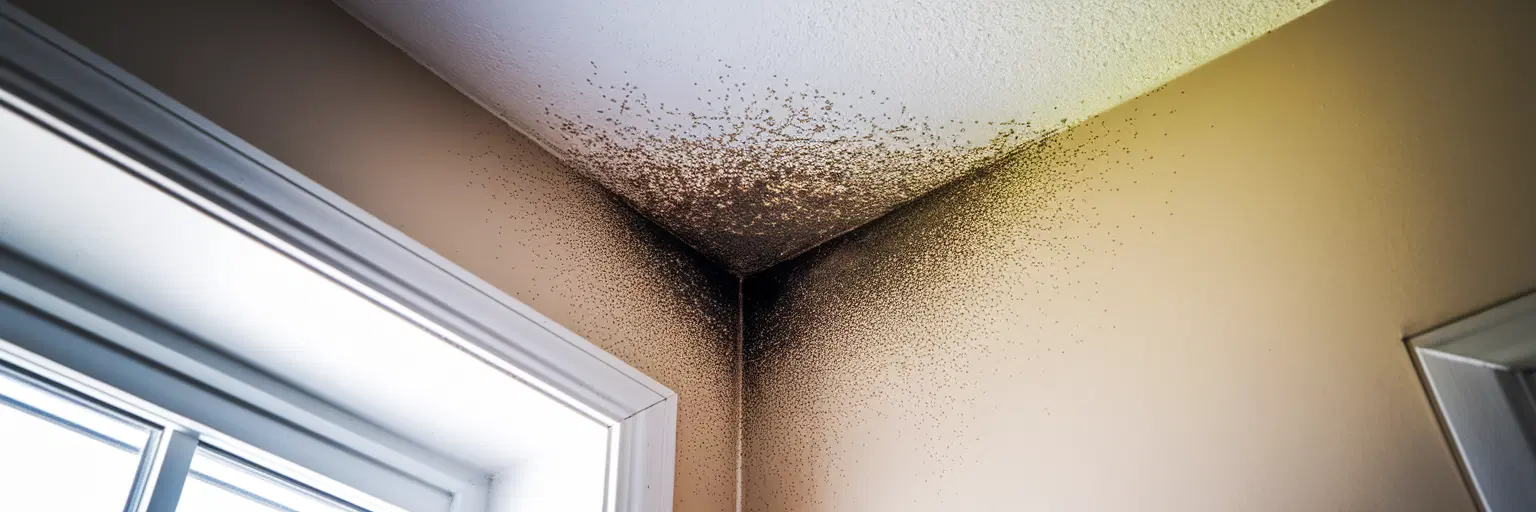
Visual clues are the next step in how to identify mold. It can appear as small, speckled spots of black, green, or even white. Unlike simple dirt or soot, mold often has a fuzzy or slimy texture and will reappear after being wiped away if the moisture source isn’t fixed. Check behind furniture, under sinks, and around window sills where condensation collects.
Finally, pay attention to your health. If your family is experiencing persistent allergy-like symptoms such as sneezing, a runny nose, or skin irritation only when at home, it could be a reaction to airborne mold spores. These symptoms are your body’s way of signaling an issue in your indoor environment.
Why Mold Thrives in the El Paso Climate
It seems counterintuitive, doesn’t it? While El Paso is known for its dry desert air, our homes can become humid pockets perfect for mold. Modern construction seals homes tightly to keep cool air in, but this also means moisture from daily activities has nowhere to go. This trapped humidity creates a microenvironment where mold can flourish, even when it’s bone-dry outside.
Understanding the common sources of moisture is the first step toward preventing mold in desert climate conditions. For many local homes, the culprits are surprisingly common:
- Plumbing Leaks: A slow drip from an old pipe under the sink or behind a wall provides a steady water supply for mold.
- Inefficient Ventilation: Bathroom exhaust fans that don’t vent directly outside simply move humid air to another part of the house, like the attic.
- Condensation Buildup: Notice water beading on your window frames or around your HVAC vents? This condensation is enough moisture to support mold growth.
- Water Intrusion: Even our infrequent but heavy monsoon rains can cause water to seep in through a leaky roof or a poorly graded yard. Addressing this promptly with professional water mitigation is a critical first step.
By identifying these specific issues in your home, you can cut off mold’s life source and protect your property from further damage.
Deciding Between DIY Cleanup and Professional Help
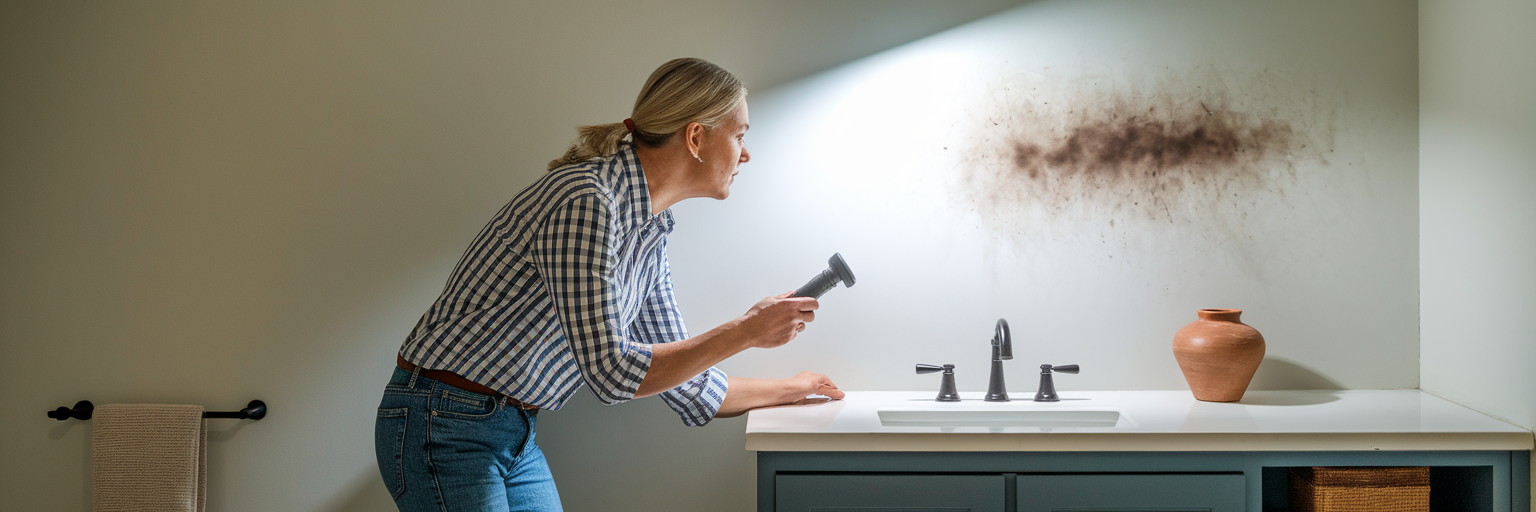
When you find mold, the first question is often, “Can I handle this myself?” The answer depends on the size and location of the problem. According to the U.S. Environmental Protection Agency (EPA), small mold issues, generally less than 10 square feet, on a non-porous surface like tile or glass can often be managed by a homeowner with the right safety precautions.
However, attempting a DIY cleanup on a larger infestation can backfire. Scrubbing mold without proper containment can release millions of spores into the air, spreading the problem to other areas of your home. You might clean the surface, but you won’t address the hidden moisture source, meaning the mold will simply return. This is why a professional mold inspection is so important. It’s not just about finding the mold; it’s about finding out why it’s there in the first place.
You should call a professional if you encounter mold covering more than 10 square feet, notice a strong musty odor with no visible source, or have recently experienced significant water damage. A certified team has the equipment and expertise to handle the situation safely. If you’re facing any of these situations, it’s time to contact a certified team to ensure the problem is handled correctly.
| Factor | DIY Cleanup | Professional Remediation |
|---|---|---|
| Scope | Under 10 sq. ft. on non-porous surfaces | Any size, especially over 10 sq. ft. or hidden |
| Safety | Risk of spore inhalation and cross-contamination | Uses containment, HEPA filtration, and proper PPE |
| Effectiveness | May not address the underlying moisture source | Identifies and resolves the root cause of moisture |
| Equipment | Household cleaners, basic protective gear | Industrial-grade dehumidifiers, air scrubbers, antimicrobials |
| Guarantee | No guarantee of complete removal or prevention | Often includes post-remediation verification and warranty |
This table outlines the key differences between a DIY approach and hiring a certified professional. The choice depends on the scale of the problem and the homeowner’s priority for safety and long-term effectiveness.
The Professional Mold Remediation Process
When you bring in experts for residential mold remediation in El Paso, TX, you’re not just getting a cleaning service. You’re getting a systematic process designed to safely eliminate mold and prevent its return. This multi-step approach aligns with recommendations from the EPA, which emphasizes that the key to mold control is moisture control. Here’s what you can expect:
- Containment and Air Filtration: The first step is to isolate the contaminated area. Professionals use heavy plastic sheeting and negative air pressure to create a containment zone. This prevents spores from spreading to other parts of your home during the cleanup. High-efficiency particulate air (HEPA) filters are used to scrub the air and capture microscopic spores.
- Safe Removal of Contaminated Materials: Mold can be cleaned from non-porous surfaces like metal and glass. However, it embeds itself deep into porous materials. Porous materials like drywall and insulation often need to be removed, and professional reconstruction services ensure your home is returned to its original condition.
- Drying and Dehumidification: Once the mold is removed, the area must be thoroughly dried. Technicians use industrial-grade dehumidifiers and air movers to eliminate all residual moisture from the air and structural materials, making the environment inhospitable for new mold growth.
- Cleaning and Post-Cleanup Treatment: After drying, the entire area is meticulously cleaned and vacuumed with HEPA-filtered equipment. As a final measure, an antimicrobial agent may be applied to surfaces to inhibit future mold growth, ensuring a lasting solution.
Verifying a Successful Remediation

A professional El Paso mold removal job isn’t finished just because the visible mold is gone. The final, crucial phase is verification. This step is what separates a thorough, professional service from a quick, superficial cleanup and ensures your home is truly safe.
First, we believe in confirming our work with data. Post-remediation testing involves taking air samples from the treated area and comparing them to outdoor air samples. The goal is to confirm that the indoor spore count has returned to normal, healthy levels. This isn’t just a guess; it’s scientific proof that the air you’re breathing is clean.
Second, a successful remediation means the original moisture problem has been solved. Whether it was a leaky pipe, a faulty HVAC unit, or poor ventilation, a true professional ensures the root cause is identified and fixed. Without this, the mold will inevitably return.
Finally, you should receive complete documentation of the entire process. This includes the initial assessment, the scope of work performed, and the final clearance report. This paperwork is invaluable for your records, for insurance purposes, and for providing peace of mind. This final verification provides peace of mind, a value echoed by many homeowners who have completed the restoration process, as seen in the experiences they share.
Long-Term Strategies to Prevent Mold’s Return
Once your home is mold-free, keeping it that way is a matter of proactive maintenance. Vigilance is the best defense against future growth. By adopting a few simple habits, you can manage indoor humidity and ensure your home remains a healthy environment for your family. These strategies are key to preventing mold in a desert climate.
Here are a few actionable tips to empower you as a homeowner:
- Control Indoor Humidity: Always use exhaust fans when cooking or showering to vent moisture outside. In more humid areas of the home, like a laundry room, consider running a dehumidifier. Regular HVAC maintenance also ensures your system is effectively removing humidity from the air.
- Encourage Proper Ventilation: On days when the outdoor humidity is low, open your windows to circulate fresh air. Avoid pressing furniture directly against walls, as this can trap moisture and restrict airflow, creating a hidden spot for mold.
- Perform Regular Home Inspections: Be your own first line of defense. Once a month, take a quick look under sinks and around toilets and appliances for any signs of leaks. Before the monsoon season hits, do an annual check of your roof, windows, and foundation for any potential water entry points.
By staying proactive, you can protect your home for years to come. But if you ever need assistance or spot a problem you can’t handle, our El Paso team is always ready to help.