

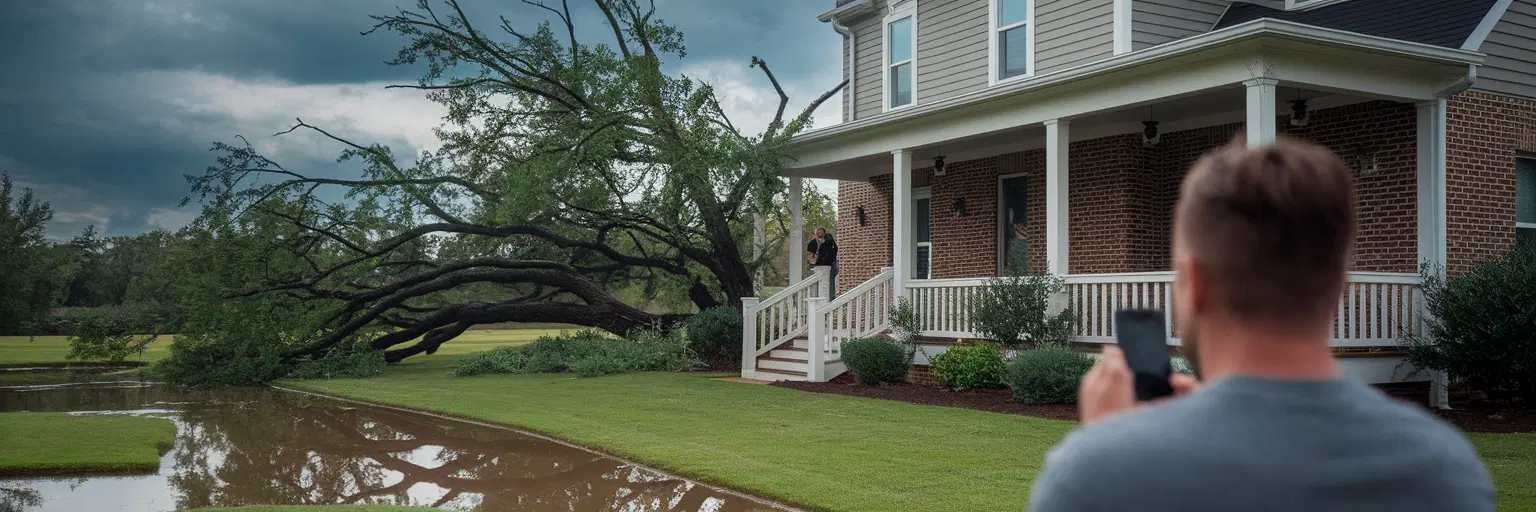
A Horizon Homeowner’s Guide to Storm Damage Recovery
The moments after a severe storm passes can feel overwhelming. Your home, a place of safety and comfort, is suddenly a source of stress and uncertainty. Before you begin to think about repairs, your first and most important job is to ensure the safety of yourself and your family. This guide will walk you through the immediate steps to take to secure your property and begin the path to recovery.
Prioritizing Safety Immediately After the Storm
After a storm, your first instinct might be to rush in and assess the damage. However, the most significant dangers are often the ones you cannot see. The Centers for Disease Control and Prevention (CDC) frequently warns about hidden electrical and environmental hazards post-storm. Before taking any other action, pause and follow these critical safety protocols.
- Assess from a distance. Before approaching your home, look for downed power lines, which can electrify standing water. If you smell gas or see visible shifts in the foundation or structure, do not enter.
- Shut off utilities if it is safe. If you can safely reach your home’s main electrical breaker and gas valve without stepping in water, turn them off. If water is present near these controls, wait for a professional. The risk of electrocution is severe.
- Treat all water as contaminated. Floodwater is a hazardous mix that can contain everything from sewage and chemicals to dangerous bacteria. It can also displace wildlife, meaning snakes or other animals may be seeking shelter inside your damaged home.
- Operate generators safely. As the CDC highlights, carbon monoxide poisoning is a silent but deadly threat. Portable generators must only be operated outdoors and at least 20 feet away from windows, doors, and vents.
Documenting Property Damage for Your Records

Once the area is secure, your next step is to document everything. This may feel like a tedious task amid the chaos, but it is the single most important action you can take for a successful insurance claim. Think of it as building the foundation for your financial recovery. Insurance companies require proof of loss, and thorough documentation is your strongest tool. This is especially true for navigating Texas storm insurance claims, where detailed evidence is non-negotiable.
Create a comprehensive record by following this checklist:
- Take extensive photos and videos. Use your phone to capture both wide-angle shots of every affected room and close-ups of specific damage. A narrated video walkthrough is even better, as you can describe the damage and mention items that photos might miss.
- Create an inventory of damaged belongings. Make a detailed list of every item that was damaged or destroyed. Include its brand, model number if available, and its estimated replacement cost. For valuable or sentimental items, know that our team can assist with documenting and restoring personal belongings, helping you salvage what matters most.
- Locate your policy documents. Find your homeowner’s insurance policy and keep a digital copy accessible. This document contains critical information about your coverage limits, deductibles, and the specific procedures for filing a claim.
Securing Your Property and Preventing Further Harm
With the initial documentation complete, the focus shifts to mitigation. Time is your enemy now. Water that is left unaddressed quickly leads to “secondary damage” like mold growth and structural rot, which your insurance policy may not cover. Acting immediately is not just about cleanup; it is a financial necessity to prevent a bad situation from becoming much worse. This is not the full restoration, but rather stopping the bleeding.
Key mitigation steps include:
- Emergency Board-Up and Tarping: Covering broken windows, damaged walls, and holes in the roof is essential. This simple act protects your property from further rain, wind, and unauthorized entry, securing the interior while you plan the next steps.
- The Need for a 24/7 Response: Storms do not operate on a 9-to-5 schedule, and neither should your response team. A rapid response is crucial for minimizing long-term damage. This is why professional emergency water cleanup Horizon services operate around the clock.
- Initial Water Extraction: The first thing a professional team will do is remove standing water using powerful pumps and vacuums. This action immediately halts the ongoing damage and is the first critical step toward drying the structure. For homeowners facing this, knowing that specialized services for wind and storm damage are available provides a clear path forward.
Navigating the Insurance Claim Process in Texas

The insurance claim process can feel like a maze of paperwork and phone calls, adding another layer of stress. Understanding the key steps and common pitfalls can make the experience much smoother. When considering what to do after storm damage, initiating your claim correctly is paramount.
First, notify your insurance agent immediately. After a widespread storm in the Horizon area, adjusters are assigned on a first-come, first-served basis. The sooner you call, the sooner you get into the queue. When you speak with them, be prepared to provide your policy number and a general description of the damage.
It is also vital to understand your policy’s limitations. A crucial fact for Texas homeowners is that standard policies do not cover damage from rising surface water, which is classified as flooding. This type of damage requires a separate flood insurance policy, typically obtained through the National Flood Insurance Program (NFIP). If you are considering a flood policy, be aware that there is usually a 30-day waiting period before it becomes effective, which underscores the importance of proactive planning.
A reputable restoration company simplifies this process by working directly with your insurance adjuster. We provide the detailed documentation, moisture readings, and professional estimates needed to justify the scope of work. This ensures the adjuster has everything required to approve the claim, relieving you of that burden. If you have more questions about this process, you can find answers on our FAQs page.
Managing Debris and Cleanup the Right Way
Clearing debris is a physically demanding and logistically complex part of recovery. It is more than just piling everything on the curb. Proper separation is required by local and state regulations to ensure a smooth and compliant cleanup. The Texas Commission on Environmental Quality (TCEQ) provides clear guidelines to help residents manage waste safely. Following these rules is a key part of the overall storm damage repair Horizon TX effort.
To make it easier, separate debris into the following categories. For more detailed information, the TCEQ’s official guidance document (RG-518) is an excellent resource.
| Debris Category | Examples | Disposal Instructions |
|---|---|---|
| Vegetative Debris | Tree limbs, leaves, shrubs, logs | Place in a separate pile for curbside pickup. Often chipped into mulch. |
| Construction & Demolition | Drywall, lumber, roofing, insulation | Keep separate from all other waste. May require special pickup. |
| Household Goods | Furniture, appliances, mattresses, carpet | Place appliances in a separate pile. Other goods can be grouped together. |
| Hazardous Waste | Paint, batteries, cleaning supplies, pesticides | DO NOT mix with other debris. Await instructions from Horizon officials for drop-off locations. |
Note: This table is based on guidelines from the Texas Commission on Environmental Quality (TCEQ). Always follow specific instructions from local Horizon, TX authorities.
Handling this process yourself can be overwhelming. A full-service restoration company manages the entire debris removal and disposal process for you, ensuring compliance and safety.
Understanding the Professional Restoration Process
Seeing your home damaged is disheartening, but there is a clear and systematic path back to normalcy. Professional restoration is not just about cleaning up; it is a science-driven process designed to return your property to its pre-loss condition safely and efficiently. Understanding these steps can provide much-needed reassurance.
The process begins with drying and dehumidification. We use industrial-grade air movers and dehumidifiers to remove moisture from carpets, wood floors, and even hidden areas inside walls. This is a critical step for preventing long-term structural issues.
Next comes sanitization and mold remediation after flood damage. Affected surfaces are cleaned with antimicrobial agents to eliminate bacteria and other contaminants. High-efficiency air scrubbers are used to purify the air, preventing mold spores from spreading. This ensures your home is not just dry, but also healthy.
The final phase is reconstruction. This is where your home is truly put back together. It can involve anything from replacing drywall and flooring to major structural repairs. Our goal during the reconstruction phase is to restore your home to the condition it was in before the storm, if not better.
A professional fire and water restoration Horizon team manages this entire journey for you. For residents in the area, knowing that a dedicated team is available right here in Horizon, TX can provide significant peace of mind during a difficult time.