
Your First Steps After Storm Damage in Horizon TX
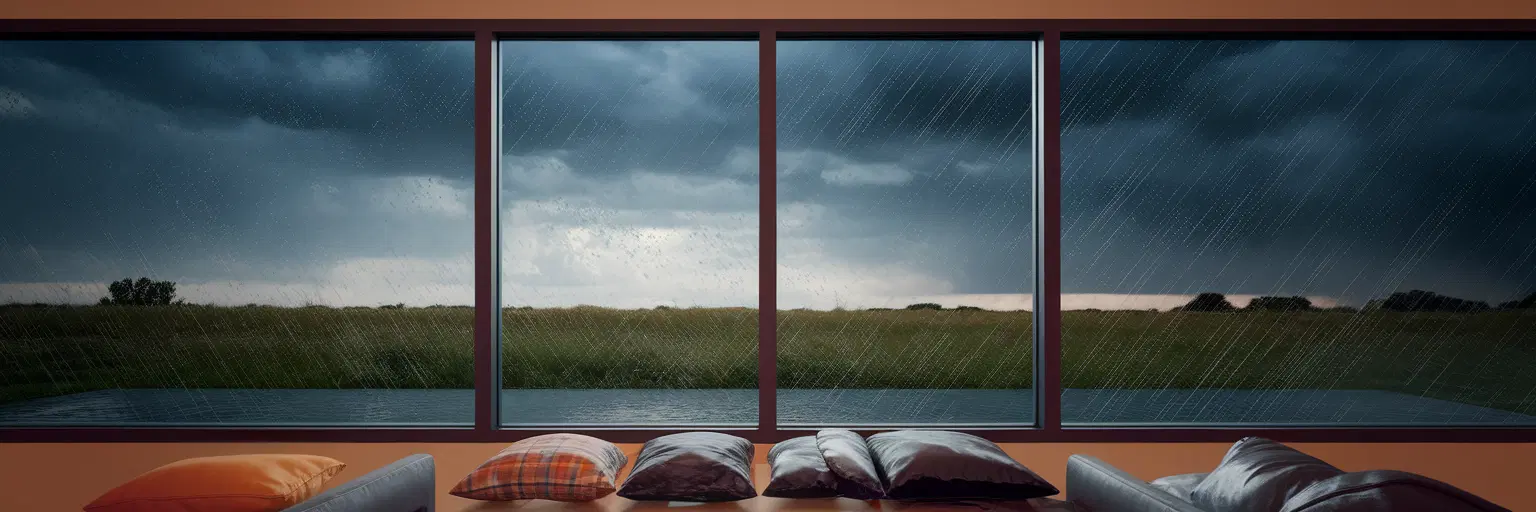
For residents of Horizon, the rumble of a severe thunderstorm is a familiar sound. Texas weather can be unpredictable, bringing everything from high winds to intense hail. When the storm passes and an unsettling quiet takes over, your first thoughts are likely about the condition of your home. Before you even begin to assess the property, understanding what to do after storm damage starts with one non-negotiable priority: your safety.
The minutes and hours immediately following a storm are critical. Your instinct might be to rush outside and inspect the damage, but a few moments of caution can prevent serious injury. The environment around your home could be hiding new dangers. Before addressing any property concerns, run through these essential safety checks.
- Stay Informed and Wait for the All-Clear: Keep your radio or phone tuned to local El Paso news channels or emergency service alerts. Officials will provide updates on road closures, power outages, and whether it is safe to be outside.
- Survey for External Hazards: From a safe vantage point like a doorway or window, look for downed power lines, leaning trees, or debris. A broken gas meter is a serious hazard. Do not approach or touch any of these. Assume any downed line is live.
- Check for Structural Integrity: Before re-entering your home, visually inspect it from the outside. Are there visible cracks in the foundation? Does the roof appear to be sagging? If you see major structural damage, do not go inside until it has been inspected by a professional.
- Know How to Shut Off Utilities: If you smell gas or see flooding, you need to act quickly. Know the location of your main water valve, gas shutoff, and electrical breaker box. Shutting these off can prevent secondary disasters like a house fire or extensive water damage.
Documenting Damage for a Smooth Insurance Claim
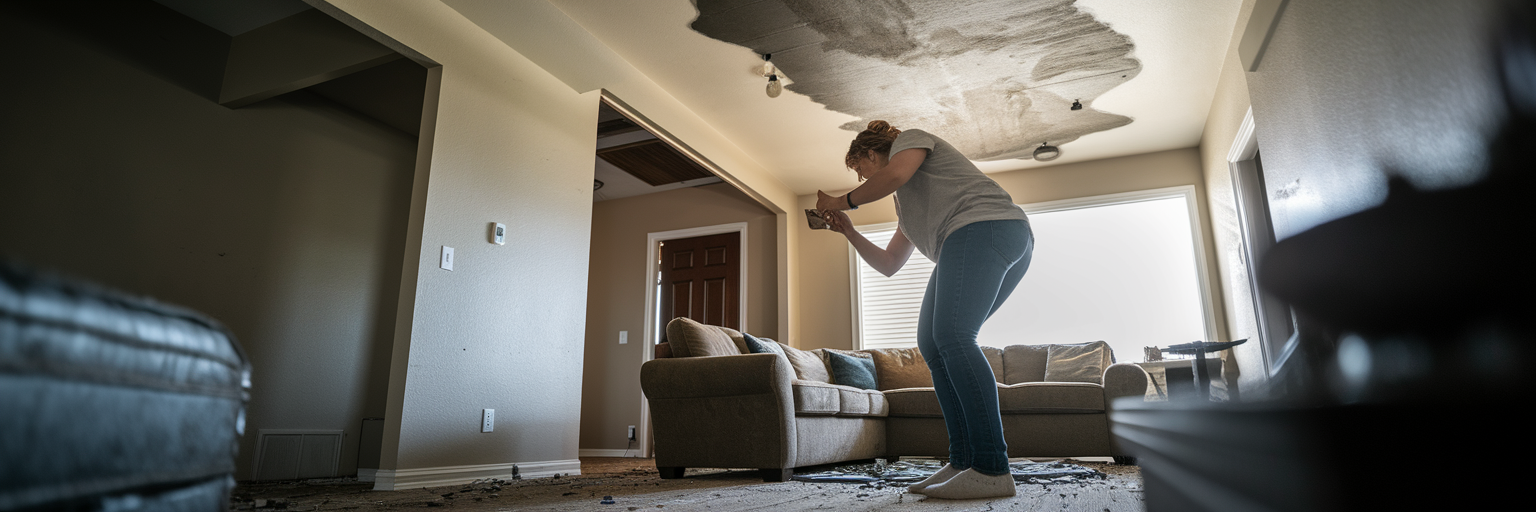
Once you have confirmed that your family is safe and there are no immediate hazards, your focus can shift to protecting your financial recovery. The foundation of a successful insurance claim is meticulous documentation. After a widespread storm hits the Horizon area, insurance companies are flooded with calls. A claim that is well-organized and thoroughly documented is processed more efficiently, which is a welcome relief during a stressful time.
This step is all about gathering evidence. Your smartphone is your most powerful tool here. The goal is to create a comprehensive visual record of every bit of damage before anything is moved or cleaned up. This process is essential for filing a storm damage insurance claim that accurately reflects your losses. Take wide-angle videos of each room to show the overall context, then follow up with detailed, close-up photos of specific issues. Resist the urge to throw away damaged items. That waterlogged sofa or shorted-out television is physical proof for your insurance adjuster.
For high-value or sentimental items, professional contents restoration services can often salvage what seems lost. Be sure to document these items carefully. Use the following checklist to guide your documentation process.
| Area / Item | What to Photograph/Video | Why It’s Important |
|---|---|---|
| Roof and Exterior | Missing/dented shingles, cracked siding, damaged gutters, hail marks on surfaces. | Provides clear evidence of wind and hail impact, which is crucial for ‘hail damage repair Horizon’ claims. |
| Windows and Doors | Cracked glass, broken frames, damaged seals. | Shows points of water entry and structural failure. |
| Interior Ceilings & Walls | Water stains, bubbling paint, cracks. | Documents the extent of water intrusion from roof or window leaks. |
| Flooring | Saturated carpets, warped wood floors, standing water. | Helps the adjuster calculate costs for drying, cleaning, or replacement. |
| Personal Belongings | Damaged electronics, furniture, appliances. Include model/serial numbers if possible. | Essential for the ‘personal property’ portion of your claim. |
Note: This checklist provides a framework for thorough documentation. Capture more photos and videos than you think you need, as this evidence is critical for a fair settlement.
Contacting Your Insurance and a Restoration Professional
With your initial documentation in hand, it is time to make two critical phone calls. First, contact your insurance provider to report the damage and open a claim. Have your policy number ready to speed up the process. This call officially starts your financial recovery journey. As the Texas Department of Insurance advises, homeowners should contact their provider promptly after a storm.
It is important to understand the different roles of the two professionals you will be working with. Your insurance company is responsible for covering the costs of the damage according to your policy. A professional restoration company, on the other hand, is responsible for the hands-on work of mitigating further damage and restoring your property. They are the emergency responders for your home.
When selecting home restoration services Horizon, you need a team that can act immediately. Look for a company with:
- 24/7 emergency availability and a commitment to a rapid response time, ideally under an hour.
- Industry certifications (like IICRC) that prove their technicians are trained in the latest restoration standards.
- Comprehensive services that cover everything from the initial water extraction and cleanup to final repairs and reconstruction.
Partnering with a restoration team that is deeply rooted in the community, like the professionals serving Horizon, TX, ensures they understand local storm patterns and building requirements. A local, family-operated business often provides a level of care and commitment that larger, out-of-state companies cannot match.
Securing Your Property and Preventing Further Damage
While you wait for your restoration crew to arrive, there are temporary measures you can take to protect your property from further harm. This is not about starting major repairs; it is about damage control. A broken window or a hole in the roof can let in more rain, turning a manageable problem into a much larger one. Taking small, safe steps can make a significant difference.
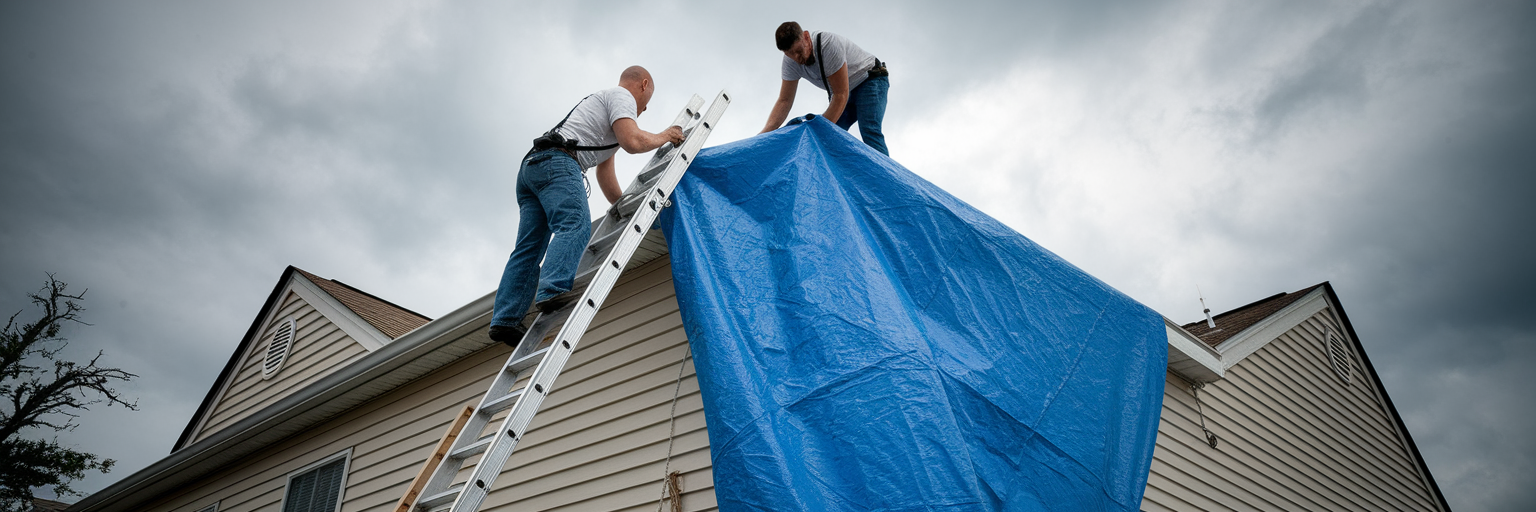
If you can do so safely, cover any holes in your roof with a tarp to prevent more water from getting in. This service, known as emergency roof tarping Texas, is one of the first things a professional crew will do. You can also board up broken windows to secure your home. If water has already entered the house, move wet furniture, rugs, and other belongings to a dry area. If the electricity is safely on in certain parts of the house, using fans to circulate air can help begin the drying process.
However, it is vital to know your limits. A strong warning: do not attempt any major repairs yourself or use household vacuums to remove water. Never operate electrical appliances while standing on wet flooring. These initial water mitigation steps are crucial, but professional equipment and expertise are needed for safe and effective results. Whether it’s from high winds or flooding, addressing wind, storm, and flood damage requires a specific set of skills. A reputable 24/7 emergency service will handle all necessary board-ups and tarping as soon as they arrive, taking that burden off your shoulders.
Working with Restoration Crews and Insurance Adjusters
The road to recovery is a process, and it helps to know what to expect. Once professionals are on-site, the journey of storm damage restoration Horizon TX begins. The work typically unfolds in phases: a thorough assessment, water extraction, structural drying with specialized equipment, debris removal, and finally, cleaning and sanitization to prevent mold growth. Each step is carefully documented to support your insurance claim.
At the same time, you will be coordinating with your insurance adjuster. Try to be present when the adjuster inspects your property so you can point out the damage you documented. Keep a simple log of every conversation you have with your insurance company, noting the date, time, and person you spoke with. It is also important to have a balanced perspective. After a major storm, both restoration companies and insurance adjusters are extremely busy. Patience combined with proactive communication is your best strategy.
This is where a full-service restoration firm becomes invaluable. They do more than just dry out your home. They speak the same language as the insurance adjuster and can provide the detailed reports, moisture readings, and photographic evidence needed to justify the claim. This collaboration ensures all damage is accounted for, which simplifies the complex process for you and helps secure a fair and complete settlement. A full-service company will handle the job from initial cleanup through complete reconstruction, restoring your home to its pre-storm condition.
Building a More Resilient Home for the Future
Going through a storm is stressful, but the restoration process offers an opportunity to make your home stronger for the future. As repairs are made, consider investing in more resilient materials. This is particularly relevant for hail damage repair Horizon. According to industry data highlighted by Flagstone Roofing, upgrading to modern impact-rated shingles can significantly reduce hail-related repair costs in Texas, making it a wise investment.
Beyond material upgrades, this is the perfect time to create a home emergency plan. Assemble an emergency kit with essentials like water, non-perishable food, flashlights, and a first-aid kit. Create a digital inventory of your belongings by taking photos and storing them in the cloud. This makes filing a future claim much easier.
Finally, make an annual insurance review part of your routine. Check your coverage to ensure it still meets your needs and be aware of policy details. For example, most new flood insurance policies have a 30-day waiting period before they take effect, so you cannot wait until a storm is in the forecast. Simple, proactive maintenance like trimming overgrown trees and cleaning your gutters each year provides a powerful first line of defense. These small actions can give you a greater sense of control and peace of mind when the next Texas storm rolls in.