
Affordable Water Mitigation Services in El Paso, TX
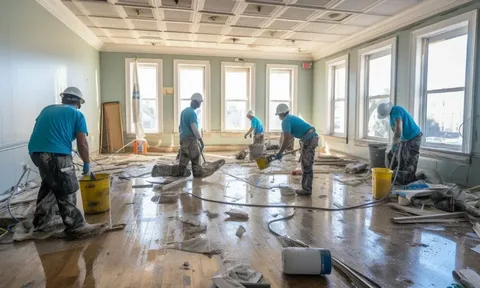
Water from a broken pipe, appliance leak, roof problem, or indoor flooding can quickly move beyond the first wet area. Flooring, drywall, cabinets, insulation, and framing may hold moisture even when surfaces look dry. Complete Fire & Water Restoration provides Water Mitigation services in El Paso, TX for property owners dealing with unexpected water damage. Early action focuses on stopping the source, removing standing water, checking hidden moisture, drying affected materials, and reducing further damage before repair work begins.
Responding Quickly to Unexpected Water Damage
A fast response can make a major difference after a water loss. Emergency water mitigation services begin by identifying the water source and checking whether electrical, structural, or contamination risks exist.
The U.S. EPA advises drying water-damaged areas and materials within 24 to 48 hours when possible. This timeframe can reduce the chance of mold growth after leaks or flooding.
Homeowners should document affected rooms before removing damaged materials when conditions are safe. FEMA recommends taking photos or videos and keeping cleanup and repair receipts, especially when an insurance claim may be involved.
Why does quick action matter if the visible water is already gone? Moisture can remain below flooring, behind baseboards, and inside wall cavities long after the surface appears dry.
Cleaning Water-Damaged Areas Safely
Each loss requires a cleanup plan based on where the water came from. Water damage cleanup after a clean supply-line leak differs from cleanup involving sewage, outdoor floodwater, or other contaminated sources.
FEMA advises wearing protective gear during flood cleanup and treating water-damaged items carefully because floodwater may contain contaminants.
Porous materials need close inspection. Saturated drywall, carpet padding, insulation, and some furnishings may not be suitable for saving when contamination or prolonged moisture is present. EPA guidance says drywall can sometimes dry in place when it has not swollen and its seams remain intact.
A professional assessment helps separate materials that can dry from materials that need removal.
Removing Standing Water and Hidden Moisture
Standing water should be addressed before focused drying starts. Water extraction services may use pumps, wet vacuums, extraction equipment, and moisture meters depending on the amount and location of water.
Extraction removes bulk water, but the job does not end there. Wood, drywall, subfloors, and other materials can still contain moisture after visible water disappears.
The EPA notes that water-extraction vacuums, fans, dehumidifiers, and heaters can support drying in suitable situations. Water Mitigation services in El Paso, TX
Consider a washing-machine supply line that leaks into a hallway. The tile may look dry after extraction, yet moisture can remain under nearby flooring or inside the bottom of a wall. Moisture readings help determine whether drying should continue.
Drying the Building After Water Damage
Professional Structural drying services focus on reducing moisture within affected building materials. Air movers and dehumidifiers may be positioned based on room size, wet materials, airflow, and moisture readings.
Crews should monitor drying progress rather than guessing when the structure is ready for repairs. Repeated measurements can show whether drywall, framing, subfloors, or other materials are moving toward acceptable moisture levels.
CDC guidance recommends removing standing water and drying homes and belongings within 24 to 48 hours when possible after flooding. It also advises using fans and dehumidifiers when electricity is safe and mold has not already begun spreading.
What happens if new flooring goes down over a damp subfloor? Trapped moisture can create problems beneath the repaired surface, which is why drying verification matters.
Managing Flood Damage in El Paso
Storms, drainage issues, plumbing failures, and indoor water events can affect residential properties in different ways. Flood damage mitigation may include extraction, removal of unsalvageable materials, cleaning, controlled drying, and preparation for repairs.
FEMA advises homeowners to air out, remove wet materials, clean affected items, and dry the structure after flooding.
Property repairs can involve local permit rules when structural or regulated building work becomes part of the project. The City of El Paso states that permits are required to construct, alter, repair, move, demolish, or change the occupancy of covered buildings or structures within its jurisdiction.
A restoration contractor should identify whether the repair scope reaches work that requires local permitting or inspection.
Restoring Residential Property After Drying
Once affected areas reach suitable moisture levels, Residential water damage restoration can move into repairs. Work may include replacing drywall, insulation, trim, flooring, cabinetry, paint, or other damaged finishes.
The repair scope should reflect what was removed during mitigation. A small leak may need limited drywall and baseboard replacement. A larger water loss may require work across several rooms.
Complete Fire & Water Restoration can coordinate mitigation steps with later repair planning so property owners understand what needs drying, removal, and reconstruction.
Final Thoughts
Water damage should be handled in a clear order: stop the source, document the loss, extract water, inspect hidden moisture, dry affected materials, and plan repairs after drying is verified. Acting early can limit how far moisture spreads through the property. El Paso homeowners dealing with leaks or flooding can contact Complete Fire & Water Restoration for an assessment of affected areas and practical recovery options. A clear mitigation plan helps you understand which materials can remain and which areas may need repair.
Frequently Asked Questions
1. How quickly should water mitigation begin?
Work should begin as soon as the property is safe to enter. The EPA recommends drying wet materials within 24 to 48 hours when possible because extended moisture can support mold growth.
2. What is the difference between water mitigation and restoration?
Mitigation focuses on stopping further damage through extraction, material removal, cleaning, and drying. Restoration covers the repair and rebuilding stage after the affected areas have reached suitable moisture levels.
3. How long does structural drying take in El Paso?
Drying time depends on the amount of water, affected materials, humidity, access, and equipment placement. Contractors typically monitor moisture readings during the process instead of relying on a fixed number of days.
4. Can wet drywall be saved after water damage?
Sometimes. EPA guidance says drywall may dry in place when it has no obvious swelling and the seams remain intact. Heavily damaged or contaminated drywall may need removal.
5. How much do water mitigation services cost in El Paso?
Pricing varies based on affected square footage, water source, extraction needs, drying equipment, damaged materials, demolition, and cleanup requirements. An on-site assessment provides a clearer scope than a general estimate.