
Professional Water Damage Restoration Services in Horizon, TX
Water damage can affect a home or business without much warning. A burst pipe, leaking appliance, heavy rain, or flooding can damage floors, walls, furniture, and personal belongings. Even a small leak can cause bigger problems when moisture remains hidden behind walls or beneath flooring. Therefore, quick action helps limit damage and makes the recovery process more manageable.
Property owners need to understand what happens after water enters a building. Removing visible water is only the first step. Professionals must also identify the source, measure moisture levels, dry affected materials, and check for signs of mold. Additionally, proper documentation helps property owners understand the damage and discuss potential insurance coverage.
Complete Fire & Water Restoration helps property owners understand the steps involved in recovering from water-related damage. Choosing reliable Water Restoration services in Horizon, TX, can help address immediate concerns while supporting a thorough recovery plan. The right approach depends on the water source, the affected materials, and how long the moisture has remained inside the property.
Homeowners and businesses in Horizon and nearby communities, including Las Cruces, NM, can benefit from learning how professional restoration works. With a clear plan, property owners can make informed decisions, protect salvageable belongings, and reduce the risk of recurring moisture problems.
Understanding the Causes and Signs of Water Damage
Water damage can develop suddenly or gradually. Some problems become obvious when water collects on the floor. Others remain hidden until paint begins peeling, flooring changes shape, or an unpleasant odor develops. Consequently, recognizing the warning signs early can help prevent additional damage.
Common Sources of Water Intrusion
Plumbing failures are a frequent concern for property owners. A damaged supply line, leaking water heater, clogged drain, or loose pipe connection can release water into living spaces. Meanwhile, roof leaks and damaged exterior seals may allow rainwater to enter during storms.
Flooding can also affect foundations, garages, and ground-level rooms. In some cases, a faulty washing machine or dishwasher causes water to spread beneath cabinets and flooring. Therefore, identifying the source is essential before restoration begins.
Warning Signs You Should Never Ignore
Look for discoloration on ceilings, bubbling paint, swollen baseboards, damp carpets, and unexplained musty smells. Furthermore, monitor water bills for unusual increases that may indicate a hidden plumbing leak.
Five practical steps can help you respond effectively:
- Identify the suspected source of water.
- Shut off the water supply when safe and appropriate.
- Keep people away from rooms with electrical hazards.
- Photograph visible damage before cleanup, if safe.
- Contact a qualified professional when damage extends beyond a minor spill.
These steps help establish a safer starting point. However, avoid entering flooded areas where electrical equipment or contaminated water may create hazards.
How Professional Water Restoration Works
A thorough restoration process addresses both visible damage and moisture that remains inside building materials. Expert Water Restoration service starts with an assessment rather than immediate repairs. This approach helps determine which materials can be dried, which require removal, and what equipment the property needs.
The Initial Inspection and Moisture Assessment
Technicians inspect affected rooms, look for the source of the water, and identify materials that may have absorbed moisture. They may use moisture meters and thermal imaging equipment to investigate damp areas that are difficult to see.
The inspection also helps establish the extent of the work. For example, water beneath laminate flooring may require a different drying plan than water on a sealed concrete surface. Therefore, technicians should explain their findings and proposed steps before major work begins.
Five Essential Restoration Steps
A typical restoration project includes these stages:
- Inspection: Assess the affected areas and determine the likely source.
- Water removal: Extract standing water with suitable equipment.
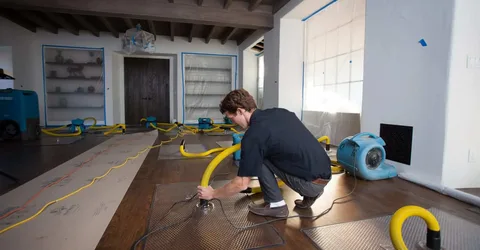
- Drying: Use air movers and dehumidifiers to remove remaining moisture.
- Cleaning: Clean and treat appropriate surfaces based on the water source.
- Repairs: Restore or replace damaged materials after proper drying.
Each stage serves a specific purpose. Moreover, technicians should monitor moisture levels instead of relying only on how dry a surface feels.
The process may take longer when water reaches insulation, wall cavities, or structural materials. Consequently, a professional assessment helps set realistic expectations and reduces the chance of closing up damp areas prematurely.
Emergency Water Cleanup and Flood Recovery
Water can spread quickly through porous materials. Therefore, prompt emergency water cleanup in La Cruces, NM can help reduce damage to flooring, furniture, drywall, and other belongings. However, safety must come before speed, especially when flooding involves sewage or unknown contaminants.
Responding to Different Types of Water Damage
Clean water from a supply line may require a different response than water from an overflowing drain or outdoor flooding. Contaminated water can carry harmful substances, so affected materials may need specialized cleaning or removal.
Five Practical Steps During an Emergency
- Stop the source: Turn off the water supply if you can do so safely.
- Protect people: Avoid flooded rooms with electrical hazards or contaminated water.
- Move belongings: Relocate unaffected items to a dry area when safe.
- Document the damage: Take photographs and keep records of damaged possessions.
- Arrange an assessment: Seek professional help when water affects multiple rooms or building materials.
Additionally, avoid using ordinary household vacuums to remove standing water. Do not operate electrical equipment in wet areas unless a qualified person confirms it is safe.
Fast action can make recovery easier. Nevertheless, proper extraction, drying, and sanitation matter more than simply removing visible water.
Preventing Mold and Long-Term Structural Problems
Water damage does not always end when a room looks dry. Moisture can remain inside drywall, insulation, wood framing, and flooring. As a result, untreated damp areas may develop mold or suffer material deterioration.
Why Complete Drying Matters
Mold can begin growing when moisture and suitable conditions remain present. The risk depends on factors such as temperature, the materials involved, and how long they stay damp. Therefore, property owners should address water intrusion promptly and verify that affected materials have dried adequately.
Professionals may use dehumidifiers, air movers, and moisture meters to support this process. Additionally, they can identify materials that cannot be dried effectively and recommend appropriate removal.
Five Ways to Reduce Future Problems
- Repair plumbing leaks as soon as possible.
- Inspect roof coverings and exterior seals regularly.
- Keep gutters and drainage paths clear.
- Maintain indoor humidity at a suitable level.
- Investigate persistent musty odors or recurring damp spots.
However, avoid covering stained or damp surfaces with fresh paint before finding the cause. That approach can hide warning signs without resolving the underlying problem.
If mold covers a large area, returns repeatedly, or follows contaminated flooding, seek qualified guidance. Likewise, anyone experiencing health concerns around a damp building should consult an appropriate health professional. Careful moisture management protects building materials and helps maintain a healthier indoor environment.
Choosing Restoration Services in Horizon and Nearby Areas
Selecting a restoration provider requires more than comparing estimated prices. Property owners should look for clear communication, appropriate equipment, documented drying practices, and a well-defined scope of work. These details help them understand what the project includes and what may require additional attention.
What to Ask Before Work Begins
Ask how the provider will assess moisture, document damage, and confirm that drying is complete. Furthermore, request written estimates that separate emergency services, cleaning, material removal, and reconstruction when applicable.
Complete Fire & Water Restoration is a resource for property owners exploring recovery options after water-related damage. Before authorizing work, confirm the company’s current service area, relevant qualifications, and the specific services available for your situation.
Five Practical Points for Comparing Providers
- Experience: Ask about projects involving similar types of water damage.
- Assessment: Confirm that the inspection covers visible and hidden moisture.
- Documentation: Request photographs, moisture readings, and written findings when available.
- Communication: Make sure the provider explains the process and expected timeline.
- Insurance coordination: Ask what documentation the provider can supply for your claim.
Insurance policies differ, and coverage depends on the circumstances and policy terms. Therefore, contact your insurer promptly and ask what documentation it needs before discarding damaged items, except when immediate action is necessary for safety.
Property owners in Horizon, TX, and Las Cruces, NM, should also verify travel arrangements and response availability. Ultimately, clear expectations and a documented restoration plan help make difficult recovery decisions easier.
Conclusion:
Water damage can disrupt everyday life, threaten valuable belongings, and create problems that continue long after the initial incident. Fortunately, a careful response can help limit the impact. Identifying the water source, removing standing water, drying affected materials, and inspecting hidden spaces are all important parts of recovery.
Property owners should avoid assuming that a dry-looking surface means the entire area is moisture-free. Instead, use appropriate moisture checks and address damaged materials before beginning cosmetic repairs. Additionally, routine plumbing inspections, roof maintenance, and proper drainage can reduce the risk of future incidents.
For residents and businesses seeking reliable flood damage restoration in Horizon, TX, understanding the recovery process helps them choose suitable services and ask informed questions. Those in nearby Las Cruces, NM, can also investigate local availability and confirm whether a provider covers their property.
When comparing restoration options, look beyond the initial estimate. Ask about inspection methods, drying verification, cleaning procedures, documentation, and any recommended reconstruction. Moreover, communicate with your insurance company early so you understand the applicable policy requirements.
Ultimately, successful restoration involves more than removing visible water. It requires a practical plan that addresses moisture, protects salvageable materials, and reduces the chance of recurring problems. By acting promptly and choosing qualified assistance, property owners can work toward a safer, cleaner, and more dependable recovery.
FAQs
What should I do first after discovering water damage?
If safe, stop the water source, protect people from hazards, document the damage, and arrange an assessment. Avoid flooded areas with electrical risks.
How long does water damage restoration take?
The timeline depends on the amount of water, affected materials, and drying conditions. Minor incidents may take days, while extensive damage can require weeks.
Can water damage cause mold?
Yes. Mold can develop when moisture remains in suitable conditions. Prompt drying and appropriate cleaning help reduce this risk.
Does homeowners insurance cover water damage?
Coverage depends on the policy and the cause of the damage. Contact your insurer to confirm coverage, exclusions, and documentation requirements.
When should I call a professional restoration company?
Seek professional assistance when water affects several rooms, enters walls or flooring, involves contaminated sources, or creates persistent dampness.