
How Professional Mold Remediation Helps Protect Homes in El Paso, TX
Mold can develop inside a home when moisture remains on walls, ceilings, floors, or other surfaces. In El Paso, TX, dry weather does not eliminate this risk. Plumbing leaks, roof damage, air conditioning condensation, and flooding can create damp conditions where mold grows. Homeowners may notice musty odors, discolored surfaces, or peeling paint before they realize a moisture problem exists.
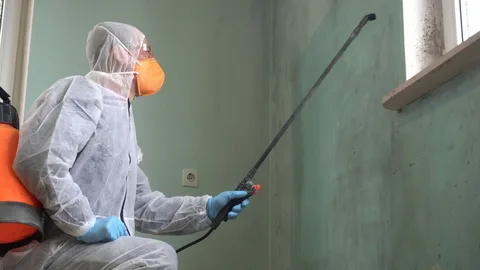
Professional mold remediation helps identify the source of moisture and address affected materials. Rather than simply cleaning visible spots, trained restoration professionals assess the affected areas and recommend suitable corrective measures. This approach helps homeowners understand the extent of the problem and reduce the chance of recurring mold growth.
Reliable expert Mold Remediation involves more than removing visible mold. It includes moisture control, appropriate containment, careful cleaning, and decisions about damaged building materials. These steps matter because untreated moisture can continue affecting a property long after the original leak appears to have stopped.
Complete Fire & Water Restoration helps homeowners understand restoration needs following water damage and mold concerns. Its services can support property recovery by addressing affected areas and helping identify practical next steps.
Homeowners in El Paso and nearby Horizon, TX, can benefit from learning how mold develops, when professional assistance makes sense, and which preventive measures help protect their properties. Understanding these factors makes it easier to respond promptly and maintain a healthier indoor environment.
Understanding How Mold Develops Inside Homes
Mold is a type of fungus that can grow on various materials when moisture and suitable conditions are present. Common household surfaces include drywall, wood, insulation, carpeting, and paper-based products. Although El Paso experiences a dry climate, indoor moisture problems can still create favorable conditions for mold growth.
For example, a leaking pipe behind a bathroom wall may keep building materials damp without producing an obvious puddle. Similarly, condensation around air conditioning equipment can affect nearby surfaces when drainage systems fail. Therefore, homeowners should investigate persistent dampness instead of assuming it will disappear on its own.
Common Sources of Indoor Moisture
Several household problems can introduce the moisture mold needs to grow.
- Plumbing leaks: Loose fittings, damaged pipes, and leaking fixtures can wet concealed areas.
- Roof damage: Cracked flashing and damaged roofing materials may allow water inside during storms.
- Air conditioning issues: Blocked drain lines and condensation can create damp spots.
- Flooding: Water intrusion can affect flooring, walls, furniture, and insulation.
- Poor ventilation: Bathrooms and laundry rooms may retain moisture when exhaust systems work poorly.
Moreover, mold does not always remain visible. It can develop behind cabinets, beneath flooring, or inside wall cavities when conditions support growth. A musty smell may indicate a moisture problem, although odors alone cannot confirm mold or identify its location.
Homeowners should address leaks promptly and investigate recurring dampness. Early action can limit damage and reduce the amount of restoration work a property may require.
Why Professional Mold Remediation Matters
Reliable professional Mold Remediation service helps address visible mold while focusing on the conditions that allowed it to develop. Simply wiping a surface may remove some discoloration, but it will not necessarily resolve moisture trapped inside building materials. Consequently, mold may return if the underlying problem remains.
A professional assessment helps determine which areas need attention and whether the damage extends beyond visible surfaces. The appropriate response depends on the affected materials, moisture levels, contamination, and size of the problem.
What Expert Mold Remediation Typically Involves
A suitable remediation plan considers the property as a whole rather than focusing only on visible spots. The following practical steps help guide the process:
- Assess the affected area: Inspect visible damage, moisture sources, and locations that may require further investigation.
- Identify the water source: Determine whether leaks, condensation, or previous water intrusion contributed to the problem.
- Plan containment: Limit the spread of mold-contaminated dust and debris during necessary removal work.
- Clean or remove affected materials: Select suitable methods based on the material and extent of damage.
- Verify moisture control: Confirm that the source of water has been corrected and affected areas can dry properly.
Furthermore, professionals may recommend additional inspection when mold appears behind walls or beneath flooring. The need for specialized testing depends on the circumstances; testing is not always necessary to recognize or address visible mold growth.
Homeowners should also understand that remediation does not guarantee a permanently mold-free building. New leaks or excess moisture can cause future growth. Therefore, maintenance and prompt repairs remain essential after the restoration work ends.
Recognizing Mold Problems and Choosing the Right Response
Mold problems can begin with subtle warning signs. Homeowners may notice a persistent musty odor, darkened grout, bubbling paint, or unusual staining near windows and plumbing fixtures. However, these signs can also result from other building problems, so inspection helps clarify the cause.
Different mold colors do not reliably reveal a mold’s toxicity. In particular, the appearance of black mold alone cannot determine the level of risk. Homeowners should avoid disturbing extensive growth while trying to identify it themselves.
When Black Mold Cleanup Requires Professional Help
Reliable black mold cleanup in Horizon, TX may require professional attention when growth covers a large area, returns after cleaning, or appears in concealed building spaces. Extensive water damage also calls for careful assessment because moisture may have spread beyond the surfaces that homeowners can see.
Consider these practical points when deciding what to do:
- Check the size: Small areas on washable surfaces may need a different response from extensive contamination.
- Look for recurring moisture: Repeated staining or dampness suggests the source remains unresolved.
- Consider porous materials: Wet drywall, insulation, and carpeting may require removal when cleaning cannot restore them safely.
- Avoid disturbing extensive growth: Scrubbing or dry brushing can spread contaminated particles into surrounding areas.
- Seek professional advice: Consider qualified assistance when damage is extensive, hidden, or associated with significant water intrusion.
Additionally, people with asthma, allergies, or other respiratory sensitivities may experience symptoms around damp or moldy environments. Anyone experiencing health concerns should seek advice from a healthcare professional.
Prompt attention helps homeowners understand the problem before deciding which materials need cleaning, repair, or replacement. The right response depends on the actual condition of the property rather than mold color alone.
Steps Homeowners Can Take to Prevent Mold Growth
Preventing mold starts with controlling moisture. Even after restoration, a property can develop new problems if leaks continue or damp materials remain untreated. Fortunately, regular maintenance and a few practical habits can reduce these risks.
Homes in El Paso and Horizon may experience moisture problems from plumbing failures, seasonal storms, indoor condensation, or air conditioning drainage issues. Therefore, homeowners should inspect vulnerable areas throughout the year instead of relying on the local climate to keep their homes dry.
Five Practical Mold Prevention Measures
These everyday measures can help homeowners maintain their properties:
- Repair leaks promptly: Fix dripping faucets, damaged pipes, and roof leaks as soon as possible.
- Control indoor humidity: Use ventilation or dehumidification when indoor moisture becomes excessive.
- Maintain air conditioning systems: Check drain lines, filters, and condensate pans according to manufacturer guidance.
- Dry wet materials quickly: Address water spills and wet building materials promptly, especially after leaks or flooding.
- Inspect vulnerable spaces: Check under sinks, around windows, inside cabinets, and near water heaters for dampness or staining.
Furthermore, bathroom exhaust fans should vent outdoors where properly installed and should operate during moisture-producing activities. Kitchen ventilation can also help manage excess moisture.
Homeowners should avoid painting over damp surfaces or applying sealants to conceal suspected mold. These actions may hide warning signs without correcting the cause.
A simple maintenance record can also prove useful. Documenting leaks, repairs, and recurring damp areas helps identify patterns and supports more informed decisions if professional assessment becomes necessary.
What to Expect During a Professional Restoration Project
A mold restoration project should begin with a clear explanation of the observed conditions and the recommended work. Homeowners deserve to understand what needs attention, why particular materials may require removal, and how the contractor plans to control dust and debris.
The process varies according to the property’s condition. A limited surface problem may require less work than contamination involving multiple rooms or concealed wall cavities. Likewise, a recent leak may require different measures from long-term moisture damage.
Five Important Questions to Ask Before Work Begins
Before approving a restoration project, homeowners should consider these practical questions:
- What caused the moisture? Ask how the suspected source will be identified and corrected.
- Which areas are affected? Request a clear explanation of visible damage and any suspected concealed growth.
- What materials need attention? Understand why the contractor recommends cleaning, removal, or replacement.
- How will the work area be controlled? Ask about containment, protective equipment, debris handling, and measures to limit cross-contamination.
- How will completion be assessed? Discuss the criteria for confirming that visible contamination has been addressed and the moisture problem corrected.
Complete Fire & Water Restoration can be a point of contact for homeowners exploring restoration options after water damage and mold concerns. Homeowners should discuss the scope of work, expected timeline, and any additional repairs required before proceeding.
Moreover, a written scope and clear communication help reduce confusion throughout the project. Depending on the damage, repairs may include replacing drywall, restoring flooring, or correcting plumbing and drainage issues.
Finally, homeowners should receive practical guidance on preventing future moisture problems. A successful restoration plan addresses the affected materials while reducing the conditions that could allow mold to return.
Conclusion:
Mold prevention and restoration begin with understanding how moisture enters a home and where it collects. Although El Paso has a relatively dry climate, plumbing leaks, roof damage, air conditioning condensation, and flooding can still create conditions that support mold growth. Therefore, homeowners should investigate persistent dampness and musty odors instead of treating them as minor cosmetic problems.
Professional assessment can help identify affected materials, determine an appropriate cleanup approach, and establish whether repairs or material removal are necessary. Moreover, correcting the moisture source remains essential. Cleaning visible mold without fixing the underlying problem may allow it to return.
Homeowners can also reduce future risks through routine inspections, prompt leak repairs, proper ventilation, and timely drying of wet materials. When a problem extends into concealed spaces or affects a large area, qualified restoration professionals can help explain the available options.
For property owners seeking reliable professional mold removal in El Paso, TX, the best next step is to assess the affected area and address the source of moisture. A suitable plan should explain the work, protect unaffected spaces, and include practical measures for preventing recurrence.
Ultimately, informed decisions and consistent maintenance help protect building materials, support a healthier indoor environment, and reduce the likelihood of repeated moisture damage. Taking action early can also make restoration more manageable and help homeowners maintain their properties with greater confidence.
FAQs
What causes mold to grow in El Paso homes?
Plumbing leaks, roof damage, condensation, flooding, and damp building materials can support mold growth even in a dry climate.
When should I consider professional mold remediation?
Consider professional help when mold covers a large area, repeatedly returns, appears in concealed spaces, or follows significant water damage.
Can black mold be identified by its color?
No. Color alone cannot reliably identify the mold species or determine its health risks.
Does removing visible mold prevent it from returning?
Not necessarily. Homeowners must also correct the moisture source and ensure affected materials dry properly.
How can I reduce the risk of future mold growth?
Repair leaks quickly, maintain air conditioning systems, control indoor humidity, improve appropriate ventilation, and inspect damp areas regularly.