
Residential Mold Remediation Services in El Paso, TX
Mold can develop inside a home when moisture remains on walls, ceilings, flooring, or other surfaces. In El Paso, TX, homeowners may associate mold with humid climates, but leaks, plumbing failures, roof damage, and poorly ventilated rooms can also create favorable conditions for growth. Even a small water problem can become a larger concern when moisture goes unnoticed.
Reliable expert Mold Remediation starts with understanding where the moisture comes from and how far the mold has spread. Simply wiping a visible patch may not address the underlying problem. Therefore, homeowners should look for warning signs such as musty odors, recurring discoloration, peeling paint, and damp building materials.
Complete Fire & Water Restoration provides restoration-related services for residential properties affected by water and mold concerns. Understanding the remediation process helps homeowners make informed decisions, recognize when professional assistance may be necessary, and prevent recurring moisture damage.
Although El Paso has a generally dry climate, indoor plumbing leaks, air-conditioning condensation, and water intrusion can create damp areas inside a house. Nearby Horizon, TX, homeowners can face similar issues. Moreover, mold may grow behind cabinets, beneath flooring, or inside wall cavities, where it remains hidden until odors or surface changes appear.
A practical approach focuses on moisture control, appropriate removal methods, and careful inspection. With timely action and suitable prevention measures, homeowners can reduce further property damage and maintain a healthier indoor environment.
Understanding How Mold Develops Inside Residential Properties
Mold is a type of fungus that grows when suitable moisture, nutrients, and environmental conditions are available. It can develop on drywall, wood, carpet, insulation, paper, and household dust. Consequently, a home does not need constant humidity to experience a mold problem.
Common Causes of Residential Mold
Water intrusion is one of the most common causes of indoor mold growth. A leaking pipe beneath a kitchen sink, for example, can keep cabinet materials damp for several days. Similarly, a damaged roof may allow rainwater to enter an attic or ceiling cavity.
Air-conditioning systems can also contribute to moisture problems. Condensation around cooling equipment, blocked drainage lines, or poorly insulated ducts may leave nearby materials wet. Furthermore, bathrooms and laundry rooms need suitable ventilation to remove excess moisture.
Homeowners should watch for these common warning signs:
- Musty odors that persist after cleaning.
- Dark, green, or irregular patches on walls and ceilings.
- Peeling paint, bubbling wallpaper, or damaged drywall.
- Water stains near windows, roofs, and plumbing fixtures.
- Recurring dampness around air-conditioning equipment.
However, color alone cannot identify a mold species or determine its risk. Some growth remains hidden behind finished surfaces. Therefore, a professional inspection may be necessary when odors continue despite cleaning or when moisture damage affects multiple areas.
Early attention helps homeowners identify the source before the problem spreads. In addition, documenting leaks and previous repairs can help restoration professionals understand the property’s moisture history.
How Professional Mold Remediation Addresses the Problem
Effective reliable Mold Remediation services involve more than removing visible growth. The process should address affected materials, control dust and spores during cleanup, and correct the moisture source. Otherwise, mold may return even after the visible surface looks clean.
What Happens During a Professional Inspection?
An inspection typically begins with a review of visible damage, moisture conditions, and the property’s history. Technicians may use moisture meters or other suitable tools to investigate damp materials. They may also examine areas around plumbing lines, windows, roofs, and cooling systems.
The appropriate response depends on the size of the affected area, the materials involved, and the source of moisture. For example, a small surface issue on a washable material may require a different approach from mold inside wet drywall or insulation.
A professional process commonly includes these practical steps:
- Identify the moisture source: Investigate leaks, condensation, or water intrusion.
- Assess affected materials: Determine which surfaces require cleaning or removal.
- Control the work area: Limit the movement of dust and airborne particles.
- Remove or clean affected materials: Use methods suitable for each surface.
- Verify moisture control: Check that the area can dry properly before repairs.
Additionally, technicians may recommend further assessment when contamination appears extensive or hidden. Mold testing is not always necessary because visible growth and moisture damage can already indicate a problem.
Homeowners should ask about the inspection findings, proposed work, safety precautions, and repair requirements. Clear explanations make it easier to understand what the project includes and what additional work may be needed.
Black Mold Cleanup and Safe Mold Removal Practices
Mold can appear in several colors, including black, green, white, and gray. However, appearance alone cannot establish whether a particular growth is a dangerous species. The most useful first step is to identify the moisture problem and assess the affected materials.
When Is Professional Cleanup Appropriate?
Small areas on suitable, nonporous surfaces may sometimes be cleaned using appropriate household methods. However, extensive growth, recurring contamination, sewage-related water damage, and mold inside wall cavities often require professional assessment.
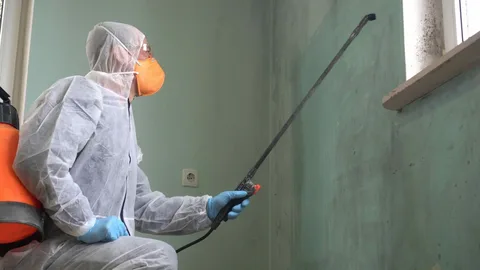
Reliable professional mold removal in Horizon, TX focuses on controlling exposure and preventing contamination from spreading into unaffected rooms. Workers may use protective equipment, barriers, and suitable ventilation or filtration methods, depending on the conditions.
Homeowners should avoid disturbing large mold-covered areas or dry-brushing contaminated materials. These actions can release particles into the surrounding air. People with asthma, allergies, or other respiratory concerns should take particular care around suspected mold.
Practical precautions include:
- Keep children and pets away from affected work areas.
- Avoid covering mold with paint or wallpaper.
- Repair the leak or condensation problem before rebuilding.
- Follow product labels when using cleaning products.
- Never mix bleach with ammonia or other incompatible cleaners.
Furthermore, homeowners should understand that black mold cleanup does not always require the same treatment in every property. The correct approach depends on the surface, extent of growth, moisture conditions, and potential exposure risks.
Preventing Mold Growth in El Paso and Horizon Homes
Prevention starts with keeping building materials dry. Although El Paso experiences a dry climate, plumbing leaks, appliance failures, and air-conditioning condensation can introduce enough moisture for mold to grow. Therefore, regular home maintenance remains essential throughout the year.
Five Practical Ways to Reduce Moisture
Homeowners can reduce the chance of recurring problems by following these measures:
- Repair leaks promptly: Inspect plumbing connections, water heaters, and visible supply lines.
- Maintain cooling equipment: Check condensate drains and arrange service when water collects near the unit.
- Improve bathroom ventilation: Use an exhaust fan during showers and allow damp surfaces to dry.
- Inspect vulnerable areas: Check under sinks, around windows, and inside accessible attic spaces.
- Control indoor humidity: Aim for relative humidity below 60%, ideally between 30% and 50%, when practical.
Additionally, check walls and ceilings after roof leaks or plumbing repairs. A surface may look dry while moisture remains inside drywall or insulation.
Proper cleaning also helps, but routine dusting alone cannot prevent mold when a leak continues. Likewise, air fresheners may cover musty odors without correcting their source.
Homeowners in Horizon should apply the same precautions, particularly after water-related incidents or cooling system problems. If dampness repeatedly returns, investigate the cause instead of treating each occurrence as an isolated issue.
Consistent inspections can identify small maintenance concerns before they require larger repairs. Moreover, keeping records of leaks, drying work, and completed repairs can help professionals evaluate recurring moisture problems.
Choosing a Qualified Residential Restoration Professional
Selecting a restoration professional requires more than comparing prices. Homeowners should understand the proposed work, the contractor’s experience, and the steps involved in preventing mold from returning.
Five Questions to Ask Before Work Begins
Consider these practical questions when evaluating a restoration provider:
- What is causing the mold? Ask how the inspection will identify the moisture source.
- Which materials need attention? Request an explanation of cleaning, removal, and replacement decisions.
- How will the work area be contained? Discuss measures that limit the spread of dust and mold particles.
- How will the area be checked afterward? Ask about moisture verification and any recommended follow-up inspection.
- What does the estimate include? Confirm whether leak repairs, material replacement, and reconstruction are separate services.
Complete Fire & Water Restoration is the company named for this residential restoration topic. Homeowners should confirm the exact scope of any proposed services, including whether mold assessment, removal, water repairs, and reconstruction are included.
A written estimate can clarify expected costs, materials, project stages, and possible additional charges. Furthermore, ask whether the contractor carries appropriate insurance and follows applicable safety requirements.
Be cautious of anyone who promises permanent results without investigating the moisture source. No cleanup method can guarantee that mold will never return if water problems persist. Instead, a sound plan combines appropriate removal, moisture correction, and reasonable preventive maintenance.
Conclusion
Mold problems can affect residential properties in both dry and humid climates. In El Paso, TX, common causes include plumbing leaks, roof damage, air-conditioning condensation, and inadequate bathroom ventilation. Therefore, homeowners should investigate musty odors, water stains, and recurring dampness before the damage spreads.
A dependable response begins with identifying the moisture source. Next, homeowners should determine which materials need cleaning or replacement and whether the affected area requires professional attention. Proper containment, suitable removal methods, and moisture verification can help reduce the chance of recurring growth.
For homeowners seeking reliable professional mold removal in El Paso, TX, understanding the inspection and cleanup process can make it easier to evaluate available services. Residents in Horizon, TX, can benefit from the same practical approach. However, the appropriate treatment depends on the extent of contamination, the building materials involved, and the underlying cause.
Prevention remains equally important after cleanup. Repair leaks quickly, maintain cooling equipment, improve ventilation, and monitor areas that have experienced water damage. Additionally, keep records of repairs and seek further assessment when odors or dampness return.
Choosing a qualified restoration professional can help homeowners understand the condition of their property and plan suitable repairs. Ultimately, effective moisture management and timely action provide a practical foundation for maintaining a clean, well-maintained home.
FAQs
1. What causes mold to grow in El Paso homes?
Plumbing leaks, roof damage, air-conditioning condensation, and poor ventilation can create the moisture mold needs to grow.
2. How can I tell if my home has hidden mold?
Persistent musty odors, recurring water stains, peeling paint, and unexplained dampness may indicate hidden growth. A professional inspection can help investigate the cause.
3. Is black mold always dangerous?
No. Color alone cannot identify a mold species or establish its health risk. However, suspected mold should be addressed by correcting moisture and using appropriate cleanup methods.
4. Can I clean mold myself?
Small areas on suitable surfaces may be manageable with proper precautions. Extensive growth, contaminated porous materials, recurring problems, or sewage-related damage warrant professional assessment.
5. How can I prevent mold from returning after remediation?
Repair leaks, maintain air-conditioning drainage, improve ventilation, control indoor humidity, and confirm that affected materials have dried properly.