
Reliable Water Damage Restoration in El Paso, TX: Protect Your Property from Further Damage
Get reliable water damage restoration in El Paso, TX, with emergency water removal, structural drying, moisture detection, and property recovery solutions.
Water damage can disrupt your home or business without warning. A burst pipe, leaking appliance, roof leak, or sudden flood can allow moisture to spread through flooring, walls, insulation, and other building materials. Acting quickly helps limit further damage and makes the recovery process easier to manage. Complete Fire & Water Restoration provides emergency restoration services for residential and commercial properties, helping property owners address water damage and plan the necessary cleanup and repairs.
Whether you are dealing with standing water or moisture hidden behind walls, a thorough assessment is essential. Understanding the source of the water, the extent of the damage, and the drying requirements can help you make informed decisions about restoring your property.
Why Fast Water Damage Restoration Matters
Water can spread beyond the area where a leak or flood first appears. Even after visible water has been removed, moisture may remain trapped inside flooring, drywall, cabinets, and structural materials.
Prompt restoration helps identify these hidden problems before they cause additional deterioration. It can also help reduce the risk of persistent dampness, material damage, and mold growth.
Professional water damage restoration may include:
- Emergency water extraction and removal.
- Inspection of affected rooms and building materials.
- Moisture detection and mapping.
- Structural drying and dehumidification.
- Cleaning and appropriate sanitization.
- Removal of materials that cannot be safely restored.
- Repairs and reconstruction when necessary.
The exact process depends on the water source, the type of materials affected, and how long the property has been exposed to moisture. A qualified restoration team can assess these conditions and develop an appropriate recovery plan.
Common Causes of Water Damage in Homes and Businesses
Recognizing the source of water damage can help property owners respond appropriately and identify preventive measures for the future.
Burst Pipes and Plumbing Leaks
A burst pipe can release substantial amounts of water in a short period. Smaller plumbing leaks may also go unnoticed until they damage cabinets, flooring, drywall, or nearby belongings.
If a plumbing leak occurs, shut off the water supply when it is safe to do so. Avoid touching electrical equipment in wet areas, and contact a qualified professional when electrical hazards may be present.
Appliance and Water Heater Leaks
Washing machines, dishwashers, refrigerators, and water heaters can develop leaks that affect nearby rooms and flooring. Routine inspections of supply lines, connections, and visible plumbing can help identify problems early.
If an appliance leaks, stop using it until the source has been addressed. Water that travels beneath flooring or into adjacent walls may require specialized drying equipment.
Roof Leaks and Storm Damage
Heavy rain, strong winds, and damaged roofing can allow water to enter attics, ceilings, and interior walls. Even a relatively small roof leak can affect insulation and other concealed materials.
After a storm, look for visible ceiling stains, damp walls, and water entering around windows or roof openings. Do not climb onto a damaged roof or enter areas that may be structurally unsafe.
Flooding and Drain Backups
Floodwater and sewage backups require particular care because contaminated water can expose occupants to harmful microorganisms and other hazards. These situations may require specialized protective equipment, cleaning, and disposal procedures.
Avoid direct contact with potentially contaminated water and seek qualified assistance to determine the appropriate cleanup process.
Water Damage Restoration Services for Complete Property Recovery
Choosing the right restoration approach means addressing both visible damage and moisture that may remain hidden inside building materials.
Water damage restoration services from Complete Fire & Water Restoration include emergency water cleanup, extraction, structural drying, and restoration support for affected properties in El Paso, Horizon, and nearby communities.
Emergency Water Extraction
Removing standing water is an important early step in the restoration process. Restoration professionals use suitable pumps and extraction equipment to remove water from affected areas.
The equipment required depends on the amount of water, the size of the property, and the surfaces involved. Rapid extraction can help reduce the time that flooring, furniture, and structural materials remain exposed to water.
Structural Drying and Moisture Detection
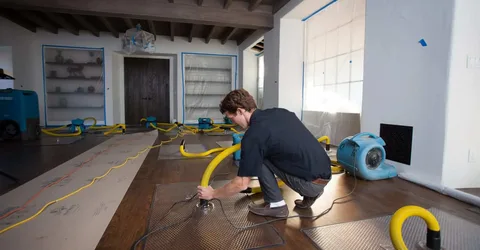
Water can remain inside walls, beneath flooring, and within insulation even when surfaces appear dry. Moisture meters and other inspection tools can help technicians identify affected areas and monitor drying progress.
Air movers and dehumidification equipment may then be used to remove remaining moisture. Drying should be guided by measurements and the condition of the materials rather than appearance alone.
Cleaning and Sanitization
Cleaning requirements depend on the water source and the materials affected. Clean-water leaks may require a different approach from flooding or sewage contamination.
When necessary, restoration professionals can identify materials that need specialized cleaning or removal. Appropriate procedures help address contamination while protecting occupants and workers.
Repairs and Reconstruction
Some water-damaged materials can be dried and restored, while others may need replacement. Depending on the damage, repairs may involve drywall, flooring, cabinetry, insulation, or other building components.
Coordinating restoration and reconstruction helps property owners understand the steps required to return their homes or businesses to usable condition.
Water Damage Restoration in El Paso, TX
Water emergencies can affect homes, apartments, offices, retail spaces, and industrial properties throughout El Paso. Leaking pipes, appliance failures, storm-related water intrusion, and flooding can all require prompt attention.
Property owners seeking water damage restoration in El Paso, TX should begin by addressing immediate safety concerns and identifying the source of the water when possible.
The next step is to assess which rooms and materials have been affected. Water may travel beneath flooring or enter wall cavities, so a thorough inspection can reveal problems that are not immediately visible.
For commercial properties, a coordinated response can also help prioritize affected work areas, equipment, inventory, and essential operations. The restoration plan should account for the property’s condition and the practical needs of its occupants.
After the immediate damage has been controlled, moisture monitoring and appropriate repairs help support a more complete recovery. Property owners should also document visible damage for their records and contact their insurance provider to understand the applicable coverage requirements.
Water Damage Cleanup for Horizon, TX Properties
Homeowners and business operators in Horizon may experience water damage from plumbing failures, roof leaks, appliance problems, or severe weather. Regardless of the cause, identifying hidden moisture is an important part of the cleanup process.
For water damage cleanup in Horizon, TX, restoration planning should consider the amount of water, the materials affected, and whether contamination is present.
A flooded room may need water extraction, drying, cleaning, and repairs, while a smaller plumbing leak may require a more targeted approach. However, the visible size of the affected area does not always indicate the full extent of the damage.
Property owners should avoid covering damp materials or beginning cosmetic repairs before the affected areas have been properly evaluated. Painting over moisture stains or replacing flooring too early may conceal unresolved problems.
A restoration assessment can help determine which materials can be retained, which need removal, and what drying or repair work is necessary before the property is returned to normal use.
What to Do When Water Damage Occurs
Taking sensible steps after discovering water damage can help protect people and reduce avoidable complications.
- Prioritize safety. Stay away from standing water near electrical outlets, appliances, or wiring. Leave unsafe areas and contact emergency services when necessary.
- Stop the water source if safe. Shut off the main water supply if a plumbing failure is responsible and you can access it safely.
- Contact a restoration company. Prompt assessment helps determine the scope of extraction, drying, and cleanup.
- Document visible damage. Take photographs from safe locations and keep records of affected belongings and materials.
- Contact your insurer. Ask about coverage, documentation, and any requirements before authorizing non-emergency repairs.
- Avoid disturbing contaminated materials. Floodwater and sewage backups may require specialized cleanup procedures.
Do not use household electrical equipment in wet areas or attempt to remove contaminated water without appropriate protection.
How to Reduce the Risk of Future Water Damage
Although not every water emergency can be prevented, routine maintenance can help reduce certain risks.
Inspect visible plumbing connections and appliance hoses periodically. Address dripping faucets, slow leaks, and unexplained moisture before they become larger problems.
Check ceilings and interior walls for new stains, and arrange appropriate roof maintenance when signs of water intrusion appear. Keep gutters and drainage pathways clear where applicable so rainwater can move away from the building as intended.
Property owners may also benefit from knowing where the main water shutoff is located. During an emergency, this knowledge can help stop a plumbing leak more quickly.
For businesses, periodic inspections of plumbing systems, equipment connections, and vulnerable storage areas can support early detection. A basic response plan can also help staff understand whom to contact when water damage occurs.
Conclusion
Water damage restoration involves more than removing visible water. A complete approach includes assessing the affected areas, extracting water, detecting hidden moisture, drying suitable materials, addressing contamination when necessary, and completing repairs.
Complete Fire & Water Restoration provides restoration services for homes and businesses in El Paso, Horizon, and surrounding communities. By responding promptly, prioritizing safety, and following an appropriate restoration plan, property owners can take practical steps toward recovering from water damage and protecting their buildings from further deterioration.
Frequently Asked Questions
How quickly should water damage be addressed?
Water damage should be assessed as soon as possible. Moisture can spread into building materials and create additional problems, so prompt water removal and drying are important.
What does water damage restoration include?
Depending on the situation, restoration may include inspection, water extraction, moisture detection, structural drying, cleaning, sanitization, damaged-material removal, and reconstruction.
Can a property look dry while moisture remains inside?
Yes. Water can remain beneath flooring, inside drywall, behind cabinets, and within insulation after visible water has disappeared. Moisture detection and monitoring help identify these concealed areas.
Does homeowners insurance cover water damage restoration?
Coverage depends on the insurance policy and the cause of the damage. Sudden plumbing failures and flood damage may be treated differently. Contact your insurer to understand your coverage and documentation requirements.
How long does water damage restoration take?
The timeline depends on the amount of water, the affected materials, the drying conditions, and the extent of necessary repairs. Some situations require only limited cleanup, while extensive flooding may involve a longer drying and reconstruction process.
Should I attempt water damage cleanup myself?
Small, clean-water spills may be manageable when there are no safety concerns. Extensive flooding, sewage backups, concealed moisture, and water near electrical systems should be evaluated by qualified professionals.