
How Certified Mold Experts Protect El Paso Homes and Health
Mold is far more than just an unsightly stain on a wall. It is a potential health hazard that can quietly compromise the air inside your home. According to a guide from the CDC, indoor mold exposure can lead to symptoms ranging from nasal stuffiness and throat irritation to more severe reactions in people with asthma or weakened immune systems. These health risks of household mold are a serious concern for any property owner.
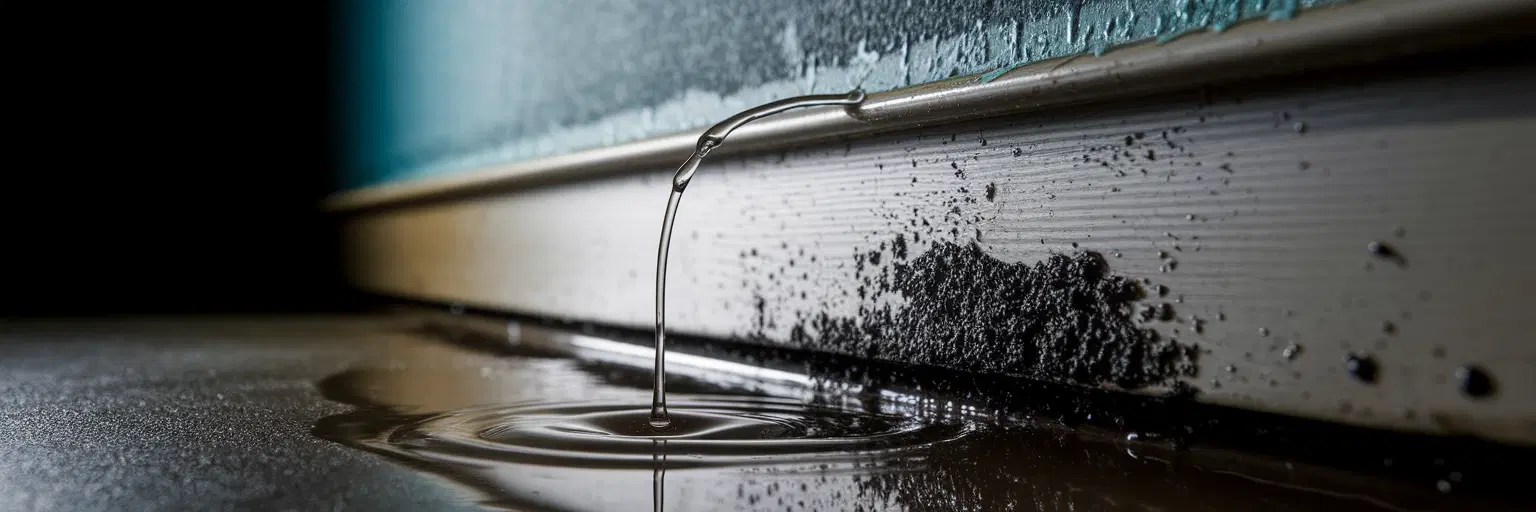
Many El Paso residents believe our arid climate protects us from widespread mold issues. This is a common and dangerous misconception. While we enjoy dry weather for much of the year, the seasonal monsoon rains introduce sudden and intense moisture into our homes. Flash floods can saturate foundations, and heavy downpours can reveal hidden leaks in roofs and window seals. Once water gets in, it creates the perfect breeding ground for mold in unseen places like behind drywall, inside wall cavities, or beneath flooring.
The clock starts ticking the moment water intrusion occurs. Mold can begin to grow in as little as 24 to 48 hours. This narrow window means that by the time you notice a musty smell or visible discoloration, a significant colony may have already established itself. This is why a rapid, professional response is not just a good idea, it is essential for protecting your property and your family’s health.
The Difference a Certified Professional Makes

Faced with a patch of mold, the first instinct for many is to grab a bottle of bleach and start scrubbing. While it feels productive, this common DIY approach often makes the problem worse. Scrubbing can aerosolize mold spores, sending them airborne to settle in other parts of your home, much like blowing on a dandelion head spreads its seeds. Furthermore, bleach may clean the surface but often fails to eliminate the mold’s root system within porous materials like drywall.
This is where the value of hiring a professional for certified mold removal in El Paso becomes clear. Certification from organizations like the IICRC (Institute of Inspection, Cleaning and Restoration Certification) means a technician is trained to follow strict industry protocols. It’s a commitment to safety and effectiveness that DIY methods cannot match. Homeowners and businesses in El Paso, TX, rely on experienced restoration services because they understand this critical difference.
A certified expert follows a methodical process to contain and eliminate the problem:
- Comprehensive Assessment: The first step is always to identify the moisture source. Without fixing the leak, mold will inevitably return. Professionals use specialized tools to map the full extent of the contamination.
- Strategic Containment: To prevent cross-contamination, the affected area is sealed off using physical barriers and negative air pressure machines. This ensures spores disturbed during removal do not escape.
- Safe Removal: Contaminated materials that cannot be salvaged, like drywall or insulation, are carefully removed and disposed of according to regulations.
- Thorough Cleaning: All remaining structures within the contained area are meticulously cleaned using specialized techniques and antimicrobial agents.
Choosing a certified professional is not just about cleaning up the current mess. It is an investment in your property’s long-term health, ensuring the problem is resolved at its source and reducing the risk of recurrence.
Advanced Tools for Complete Mold Eradication
The methodical process used by certified technicians is powered by advanced technology that is simply unavailable to the average homeowner. This equipment allows for a level of precision and thoroughness that ensures complete mold eradication. It begins with the diagnostic phase of a mold inspection in El Paso. Instead of guessing or unnecessarily tearing into walls, professionals use tools like infrared cameras to detect temperature differences that indicate hidden moisture behind surfaces. Moisture meters and hygrometers then provide exact data on the saturation levels in building materials and the humidity in the air. This technology is crucial because effective mold remediation starts with proper water mitigation to eliminate the source of the problem.
Once containment is established, the air itself is purified. Professionals use high-powered air scrubbers and HEPA vacuums. HEPA stands for High-Efficiency Particulate Air, and these filters are engineered to capture 99.97% of airborne particles as small as 0.3 microns. This is essential for trapping microscopic mold spores that are invisible to the naked eye. This process aligns with recommendations from the Environmental Protection Agency (EPA), which advises that professional-grade equipment like HEPA filters should be used during cleanup.
Finally, how can you be certain the mold is truly gone? Professionals do not just rely on a visual check. They perform post-remediation verification, which can include air and surface sampling. These samples are sent to a laboratory for analysis to confirm that mold levels have returned to a normal, safe baseline. This provides documented proof of a successful job. After cleaning, EPA-registered antimicrobial treatments may be applied to inhibit future growth, offering an additional layer of protection.
| Task | Common DIY Approach | Professional Equipment |
|---|---|---|
| Moisture Detection | Visual inspection, feeling for dampness | Infrared (IR) cameras, hygrometers, moisture meters |
| Air Filtration | Opening windows, using household fans | HEPA-filtered air scrubbers and negative air machines |
| Spore Removal | Scrubbing with bleach, household cleaners | HEPA vacuums, antimicrobial treatments, safe disposal |
| Verification | Visual check, waiting for musty smell to fade | Air and surface sampling, clearance testing, lab analysis |
Note: This table illustrates the significant gap in effectiveness and safety between standard household methods and the specialized technology used by certified technicians.
Streamlining Insurance Claims for Mold Damage

Discovering mold is stressful enough. The thought of navigating a complex insurance claim on top of it can feel overwhelming. Many homeowners are surprised to learn that mold damage is not always covered by standard policies. Coverage often depends on the mold being the direct result of a “covered peril,” such as a sudden pipe burst or appliance failure, rather than a slow leak or general humidity. This distinction is where many claims get complicated or denied.
This is another area where a certified restoration company becomes an invaluable partner. Professionals experienced in mold remediation in El Paso, TX, understand what insurance carriers require to process a claim successfully. They act as your advocate, providing the precise and thorough documentation needed to validate your claim. This is not just a simple invoice. It is a comprehensive file that includes:
- Detailed reports outlining the cause and extent of the damage.
- Photographic and video evidence of the affected areas before, during, and after remediation.
- Moisture readings and data from diagnostic tools.
- A clear record of the containment and remediation protocols followed.
This level of professional documentation demonstrates that the damage was addressed correctly and helps justify the costs incurred. It can be the single most important factor in getting your claim approved. Navigating these requirements can be confusing, and homeowners often have many questions about the process. Having an expert handle the technical communication with your insurance adjuster allows you to focus on what matters most: your family’s safety and well-being.
Actionable Steps to Prevent Future Mold Growth
While professional remediation is essential for tackling an existing mold infestation, the most powerful tool for long-term protection is proactive maintenance. The key to preventing mold after water damage, and preventing it from starting in the first place, is diligent moisture control. By managing humidity and addressing water issues promptly, you make your home an inhospitable environment for mold.
Here are a few actionable steps every El Paso homeowner can take:
- Control Indoor Humidity: Aim to keep your home’s humidity level below 50%. Use your air conditioner during humid periods and consider a dehumidifier for damp areas like basements.
- Ventilate Properly: Ensure kitchen and bathroom exhaust fans vent directly outdoors. Run them during and after cooking or showering to remove moist air.
- Act Fast on Water Intrusion: If you have a leak, dry the affected materials completely within 24 to 48 hours. For larger incidents, professional water extraction is critical.
- Inspect After Rains: Following our heavy monsoon rains, do a quick visual check of your roof and windows for signs of water intrusion. These checks are important given the potential for wind, storm, and flood damage.
- Check Prone Areas: Periodically look under sinks and around water heaters for any signs of leaks, water stains, or musty odors.
By incorporating these habits into your home maintenance routine, you can significantly reduce the risk of future mold problems, protecting both your property value and your family’s health.