
A Horizon Homeowner’s Guide to Burst Pipe Emergencies
The sound of a pipe bursting is unmistakable, and the panic that follows is completely normal. Water can spread with surprising speed, but your first few actions can dramatically reduce the damage. Knowing what to do after a pipe burst begins with one critical step: stopping the water at its source.
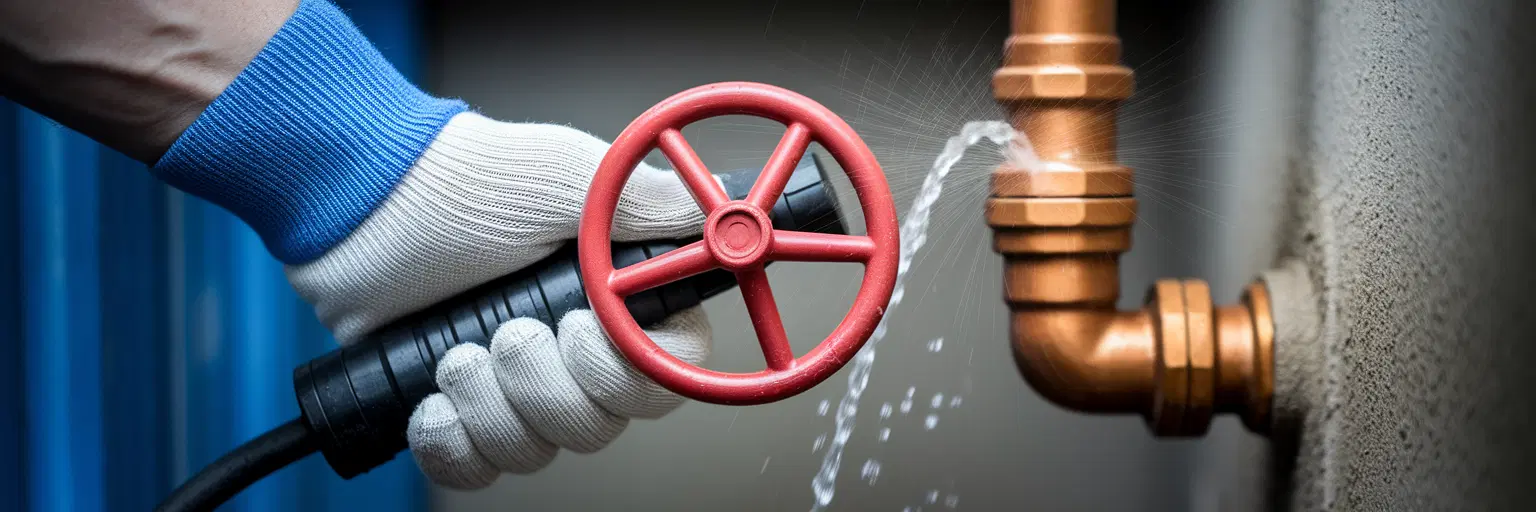
Your home’s main water shut-off valve is your best defense. In most Horizon homes built on a slab foundation, you will find it in the garage, a utility closet, or near the water heater. It might have a wheel handle or a lever. Your only job is to turn the handle clockwise until it stops. This single action cuts off the flow and gives you a moment to think.
Next, address the electrical system. Water and electricity are a dangerous combination. Go to your main breaker panel and shut off the power to the affected areas of your home. However, this comes with a non-negotiable safety rule: if the breaker box is damp or you must stand in water to reach it, do not touch it. In that situation, your next call should be to an electrician and a professional restoration company immediately.
After the recent deep freezes we have experienced across Texas, many of us understand how vulnerable our plumbing can be. These immediate steps are not about cleanup. They are about taking control and protecting your property from the chaos of a sudden indoor flood.
Containing the Damage and Protecting Your Valuables
With the water and power shut off, your focus can shift from stopping the emergency to minimizing its impact while you wait for help. This is a crucial window to protect your belongings from further harm. Start by moving what you can to a completely dry area of your home, like an unaffected room or the garage.
Prioritize these items:
- Valuables and Electronics: Move computers, televisions, and other electronics first.
- Furniture and Rugs: Get smaller furniture and area rugs off the wet floor.
- Important Documents: Gather photos, legal papers, and other irreplaceable items.
For heavy furniture that you cannot move, a simple trick can prevent water from wicking up the legs and causing stains or swelling. Place small squares of aluminum foil or plastic blocks under each leg to create a barrier. While you handle these immediate steps, remember that professional services can often restore even heavily affected items. You can learn more about how our experts handle contents restoration to save cherished belongings through advanced methods.
You can also begin some preliminary emergency water removal Texas style, using a bucket-and-towel method to soak up pools of water. A mop or a wet/dry shop vac can also help on hard surfaces. This is not a replacement for professional extraction, but it can slow down saturation. Finally, become a detective. Look for subtle signs of water traveling through hidden pathways, like damp spots on ceilings below, peeling paint, or bulging drywall. Understanding the potential scope of the problem is invaluable.
Documenting Everything for Your Insurance Claim
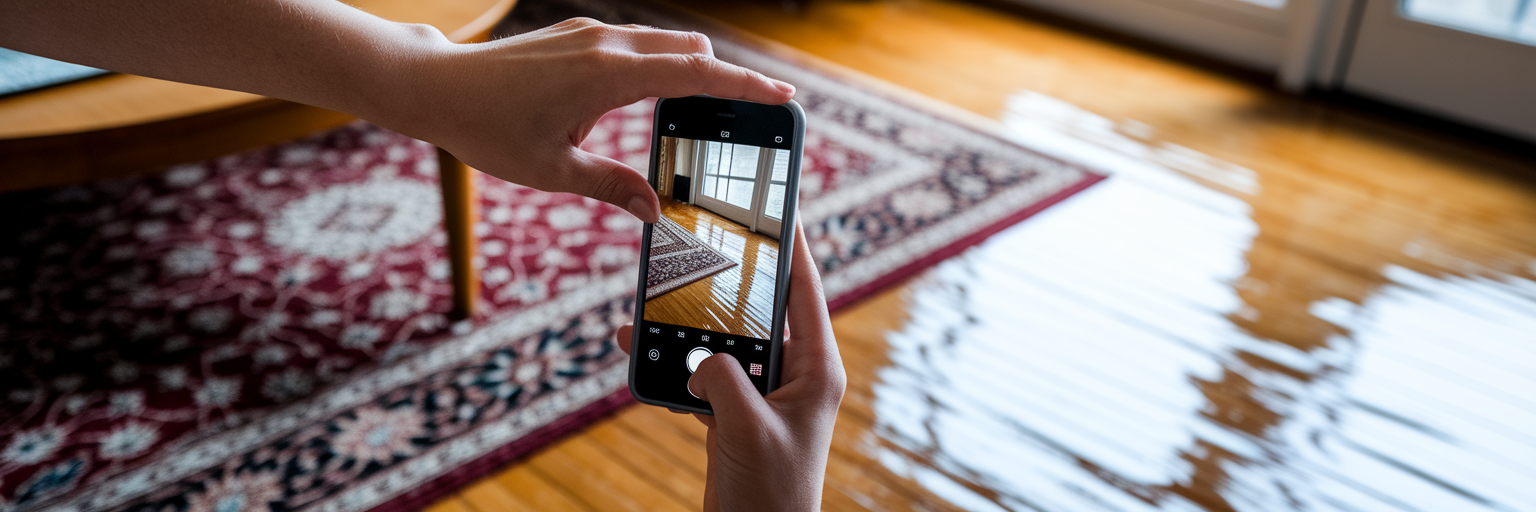
Before you move any damaged materials or begin significant cleanup, pause and pull out your smartphone. The photos and videos you take in these first hours are the most important evidence for your insurance provider. This documentation is the foundation of your burst pipe insurance claim help.
Start by capturing wide-angle shots of each affected room to show the overall scale of the water damage. Then, move in closer. Take detailed photos and videos of specific damage, including soaked carpets, warped flooring, damaged furniture, and water lines on the walls. Do not throw anything away yet. Your insurer will need to see the condition of these items.
Next, create a detailed inventory. Go room by room and list every single item that was damaged. Be specific. Instead of just “lamp,” write “living room floor lamp with linen shade.” Include structural elements like drywall, baseboards, and flooring. This meticulous list, paired with your photos, creates a powerful and undeniable record of your loss.
This may feel like a tedious task in a moment of crisis, but it is the single most important step you can take to ensure a smooth claims process and receive fair compensation for repairs.
The Risks of Improper Drying and Hidden Moisture
A common mistake homeowners make is assuming that once the visible water is gone, the problem is solved. Unfortunately, the real danger lies in the moisture you cannot see. Materials common in Horizon homes, like drywall and wood framing, act like sponges. They wick moisture from the floor and trap it inside walls and under floorboards, creating a hidden breeding ground for serious issues.
This trapped moisture starts a countdown. Mold can begin to grow within 24 to 48 hours. What starts as a musty smell can quickly become a significant health hazard. According to the Centers for Disease Control and Prevention (CDC), mold exposure can cause symptoms like nasal stuffiness, throat irritation, and wheezing, particularly affecting children and those with respiratory conditions.
Beyond the health risks, prolonged dampness attacks your home’s structural integrity. Wood studs begin to rot, drywall crumbles from the inside, and metal fasteners can rust and fail. A seemingly small water issue can quietly compromise your home’s framework, leading to major failures down the road. This hidden damage can weaken the structure, often requiring our professional reconstruction services to ensure the long-term safety and stability of your property.
The Professional Restoration and Drying Process
While DIY efforts are helpful first steps, a professional pipe burst cleanup in Horizon, TX, uses a scientific process to ensure your home is truly dry. This approach goes far beyond what a shop vac and a few fans can accomplish, protecting your property from the long-term risks of hidden moisture.
The water damage restoration Horizon process follows a clear sequence:
- Advanced Water Extraction: We start by using powerful, truck-mounted extraction units. These machines remove far more standing water than any consumer-grade equipment, pulling moisture from deep within carpets and padding.
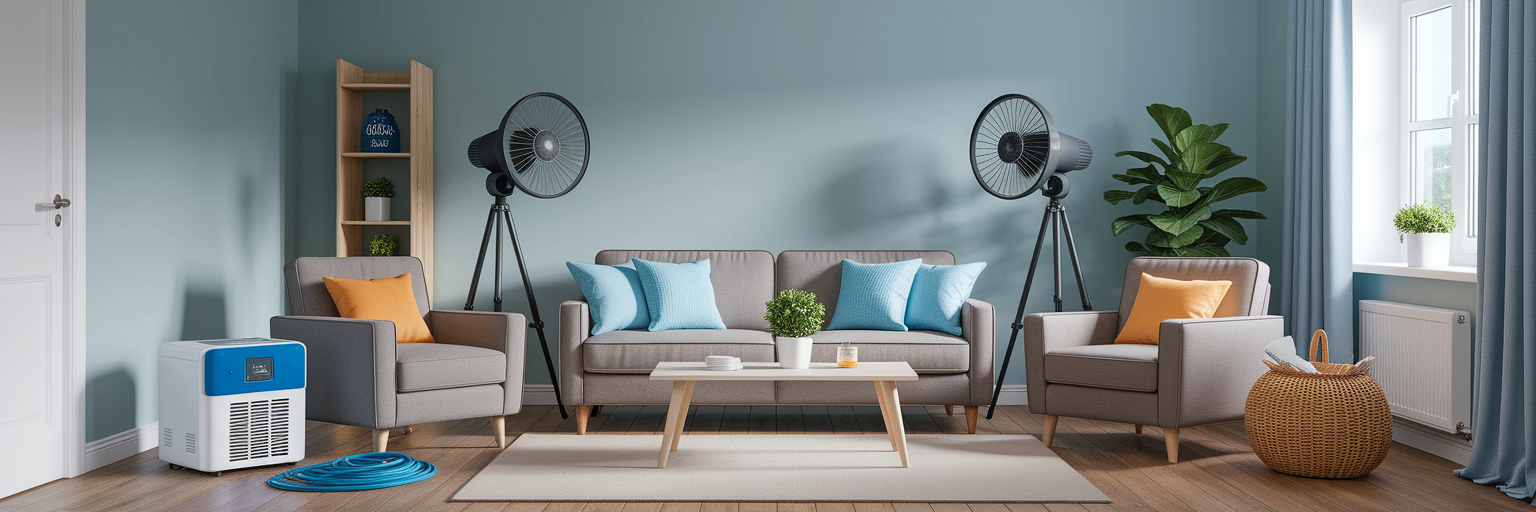
- Strategic Dehumidification: Next, we strategically place industrial-grade air movers and desiccant dehumidifiers. This equipment creates an environment that actively pulls moisture out of structural materials like drywall and wood.
- Scientific Monitoring: Drying is not a guessing game. Our technicians use moisture meters and thermal imaging cameras to find and track hidden pockets of water. We monitor the drying process daily until all affected materials reach a safe, dry standard, highlighting the precision involved in our professional water mitigation process.
- Sanitizing and Deodorizing: Finally, we apply antimicrobial treatments to prevent any possibility of mold growth. We also use specialized techniques to eliminate the musty odors that often accompany water damage, ensuring your home is not just dry but also healthy and clean.
Preventing Future Pipe Bursts in Your Horizon Home
Once your home is restored, the final step is to prevent this from happening again. A few proactive measures can help you prevent frozen pipes in Texas and protect your home from future water damage emergencies.
Start with insulation. Vulnerable pipes in unheated areas like attics, crawl spaces, and along exterior walls should be wrapped with pipe insulation sleeves. During a hard freeze, let faucets connected to these pipes drip slowly to relieve pressure buildup. It is also wise to keep your thermostat at a consistent temperature, even when you are away.
Most importantly, an annual plumbing inspection can identify problems before they become disasters. A professional can spot corrosion, stress points, or weak fittings that a homeowner might miss, allowing for simple, inexpensive repairs. For peace of mind, consider having our professional team in Horizon inspect your plumbing system each fall before the cold weather arrives.
| Prevention Method | Primary Goal | Best Time to Implement | Effort / Cost |
|---|---|---|---|
| Pipe Insulation | Protect pipes in unheated areas from freezing. | Fall, before the first freeze. | Low Cost / DIY-friendly |
| Let Faucets Drip | Relieve pressure buildup in pipes during a hard freeze. | During nights when temperatures drop below freezing. | No Cost / Low Effort |
| Annual Plumbing Inspection | Identify and repair weak spots, corrosion, or stress fractures. | Late summer or early fall. | Low-to-Moderate Cost / Professional Service |
| Seal Air Leaks | Prevent cold air from reaching pipes in crawl spaces or basements. | Any time of year. | Low Cost / DIY-friendly |
Note: These strategies are most effective when used in combination to protect your home from the unpredictable Texas weather. Costs are estimates and can vary based on home size and professional rates.