Residential Mold Remediation in El Paso, TX: What Homeowners Need to Know
Mold is one of the most underestimated threats to a home’s structural integrity and its occupants’ health. Whether it appears after a slow plumbing leak, a roof damaged by summer storms, or the moisture swings of El Paso’s monsoon season, mold spreads fast and causes lasting damage if left untreated. That’s why homeowners across the region trust professionals like Complete Fire & Water Restoration to handle remediation safely and thoroughly. As a trusted provider of residential restoration services in the El Paso area, Complete Fire & Water Restoration brings certified expertise, advanced equipment, and a proven process to every mold remediation job — large or small.
If you’ve spotted suspicious discoloration on your walls, noticed a persistent musty smell, or recently dealt with water damage in your home, this guide will walk you through everything you need to know about residential mold remediation in El Paso, TX.
What Is Residential Mold Remediation?
Mold remediation is the professional process of identifying, containing, removing, and treating mold growth within a residential property. The goal is not simply to clean visible mold but to address the underlying moisture source, eliminate mold colonies throughout the affected area, and restore the indoor environment to a safe and healthy condition.
Mold Remediation vs. Mold Removal — What’s the Difference?
Many homeowners use the terms interchangeably, but there is an important distinction. Mold removal implies physically scrubbing or wiping away mold — a surface-level fix that rarely addresses the root problem. Mold remediation is a comprehensive process that includes assessment, containment, removal, treatment, and preventive measures to stop mold from returning. Remediation follows industry standards set by organizations like the IICRC (Institute of Inspection, Cleaning and Restoration Certification) and the EPA.
Why El Paso Homes Are Not Immune to Mold
El Paso’s desert climate might suggest that mold is not a local concern, but that assumption puts homeowners at risk. While outdoor humidity is generally low, indoor mold thrives in localized moisture environments — inside walls after a pipe bursts, under flooring after a dishwasher leak, or in attic spaces following monsoon season rains. El Paso’s monsoon months between July and September introduce sudden and significant humidity spikes that, combined with poor ventilation or any existing water intrusion, create ideal conditions for mold growth.
Common Causes of Mold Growth in El Paso Homes
Understanding what triggers mold is the first step toward preventing it. In El Paso, several factors are particularly common.
Monsoon Season Moisture and Humidity Spikes
El Paso receives a significant portion of its annual rainfall during the monsoon season. Homes with flat roofs, inadequate drainage, or aging seals around windows and doors are especially vulnerable to water intrusion during heavy rain events. Once moisture enters a wall cavity or crawl space, it can remain trapped for days — long enough for mold spores to colonize.
Plumbing Leaks, Roof Damage, and Poor Ventilation
Slow leaks behind kitchen cabinets, under bathroom sinks, or around water heater connections often go undetected for weeks or months. Similarly, roof damage from windstorms or hail creates entry points for water that saturates insulation and drywall. Bathrooms and kitchens without adequate exhaust ventilation are also high-risk zones, as steam and cooking moisture accumulate and condense on surfaces over time.
Water Damage as the Leading Cause of Mold
According to the EPA, mold can begin to grow on wet surfaces within 24 to 48 hours. This means that any water damage event — whether from a burst pipe, an overflowing appliance, or flooding — carries an immediate mold risk if not properly dried and treated. Homeowners who experience water damage in El Paso should prioritize professional drying and inspection to prevent a mold problem from developing.
Warning Signs You Have a Mold Problem
Mold is not always visible, but the signs of its presence are usually detectable if you know what to look for.
Visible Mold Growth and Discoloration
The most obvious sign is visible mold — typically appearing as black, green, gray, or white patches on walls, ceilings, grout lines, window frames, or around HVAC vents. Not all mold is the notorious “black mold” (Stachybotrys chartarum), but any visible mold growth in a living space warrants professional evaluation.
Musty Odors and Unexplained Allergic Symptoms
A persistent earthy or musty smell — even in the absence of visible mold — is a strong indicator of hidden mold growth. If household members are experiencing unexplained nasal congestion, coughing, skin irritation, or worsening allergy or asthma symptoms without a clear cause, mold contamination may be the culprit.
Hidden Mold Behind Walls and Under Flooring
Hidden mold is particularly dangerous because it can grow extensively before it is ever detected. Warped or bubbling drywall, peeling paint, soft spots in flooring, or staining on ceilings may all indicate mold colonies developing out of sight. In these cases, a professional mold inspection using moisture meters and thermal imaging tools is essential to locate and assess the full extent of the problem.
Health Risks of Mold Exposure in Your Home
Mold exposure is a serious health concern, particularly for vulnerable individuals. Mold releases microscopic spores and, in some cases, mycotoxins — toxic compounds that can cause a range of health problems when inhaled or contacted.
Symptoms of Black Mold Exposure
Symptoms associated with mold exposure include chronic coughing and sneezing, throat and eye irritation, headaches, fatigue, difficulty breathing, and in severe cases, neurological symptoms. Stachybotrys chartarum, commonly called black mold, is associated with more severe reactions, though any significant mold infestation in a living space should be taken seriously regardless of species.
Who Is Most Vulnerable?
Children, the elderly, pregnant women, and individuals with asthma, allergies, or compromised immune systems are at the highest risk from mold exposure. For these household members, even moderate mold contamination can trigger serious respiratory events. Professional remediation is not optional in homes where vulnerable individuals reside — it is a health necessity.
The Professional Mold Remediation Process — Step by Step
Professional mold remediation follows a structured, science-based protocol. Here is how a certified remediation company approaches a residential mold project.
Step 1 — Mold Inspection and Assessment
A certified inspector evaluates the property to identify the location, type, and extent of mold growth. This includes visual inspection, moisture mapping, air quality sampling, and sometimes surface swab testing sent to a laboratory for analysis. The inspection informs a detailed remediation plan.
Containment of Affected Areas
Before any mold is disturbed, the affected area is isolated using physical barriers — typically heavy-duty plastic sheeting — and negative air pressure systems. This containment prevents mold spores from becoming airborne and spreading to unaffected areas of the home during the remediation process.
Air Filtration and HEPA Vacuuming
High-Efficiency Particulate Air (HEPA) filtration units are placed throughout the work area to scrub airborne spores from the environment. HEPA vacuums are used to remove mold debris and spores from surfaces before any wet cleaning begins.
Mold Removal and Surface Treatment
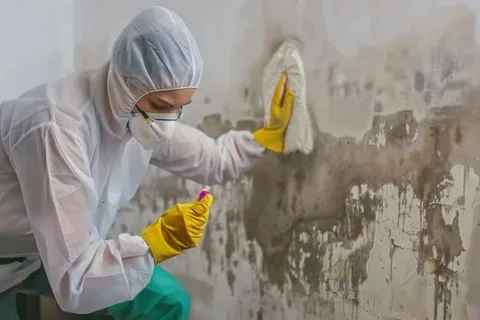
Porous materials like drywall, insulation, and flooring that are heavily contaminated are carefully removed and disposed of according to regulatory guidelines. Non-porous surfaces are treated with EPA-registered antimicrobial solutions to kill mold at the root. Wire brushing and sanding may be used on structural wood surfaces to fully eliminate mold colonies.
Cleaning, Sanitizing, and Restoration
After mold removal, all surfaces in the affected area are thoroughly cleaned and sanitized. Structural elements that were removed are replaced, and cosmetic restoration — including new drywall, insulation, paint, and flooring returns the space to pre-mold condition.
Post-Remediation Testing and Clearance
A final air quality test and visual inspection are conducted to verify that mold levels have been reduced to normal background levels. A clearance certificate may be issued, confirming that the remediation was successful and the home is safe for occupancy.
How Much Does Mold Remediation Cost in El Paso, TX?
Mold remediation costs vary significantly based on the scope of the problem. In general, homeowners in El Paso can expect to pay anywhere from $500 to $6,000 or more for residential mold remediation, with the national average falling around $2,000 to $3,500.
Factors That Affect Mold Remediation Pricing
Several variables influence the final cost: the size of the affected area, the type of mold present, the accessibility of contaminated spaces (attics and crawl spaces cost more), the extent of structural damage requiring replacement, and whether specialized equipment or post-remediation testing is required. Small, contained mold issues in a single bathroom are naturally less costly than widespread mold throughout a basement or inside wall cavities across multiple rooms.
Does Homeowners Insurance Cover Mold Remediation?
Coverage depends on the cause of the mold. Most homeowners insurance policies will cover mold remediation if it is a direct result of a covered peril — such as a burst pipe or storm damage. However, mold resulting from long-term neglect, deferred maintenance, or gradual leaks is typically excluded. Reviewing your policy carefully and documenting the source of moisture thoroughly is critical when filing a claim.
DIY vs. Professional Mold Remediation — Which Is Right for You?
When DIY Is Acceptable
The EPA suggests that homeowners may address mold patches smaller than 10 square feet on non-porous surfaces using appropriate protective gear and EPA-registered cleaners. Situations involving minor surface mold on tiles, caulking, or painted surfaces — without evidence of deeper penetration — may be manageable without professional help.
When You Must Call a Professional
Any mold contamination larger than 10 square feet, mold inside HVAC systems, mold resulting from contaminated water (sewage backup), mold causing structural damage, or any situation where mold growth is hidden or its extent is unknown requires professional remediation. Attempting DIY remediation in these scenarios without proper containment and equipment risks spreading spores throughout the home and worsening the contamination significantly.
How to Choose a Mold Remediation Contractor in El Paso
Choosing the right contractor is critical to getting the job done correctly and safely.
Certifications and Credentials to Look For
Look for contractors certified by the IICRC (Water Damage Restoration Technician or Applied Microbial Remediation Technician credentials), the American Council for Accredited Certification (ACAC), or the National Organization of Remediators and Mold Inspectors (NORMI). Licensing, insurance, and verifiable local references are non-negotiable.
Questions to Ask Before Hiring
Ask potential contractors whether they perform a full inspection before providing a quote, what containment methods they use, whether post-remediation testing is included, how they handle disposal of contaminated materials, and whether they offer a warranty on their work. A reputable company will answer these questions transparently and without pressure.
Preventing Mold from Coming Back
Remediation addresses existing mold, but preventing recurrence requires ongoing attention to moisture management.
Moisture Control and Ventilation Tips
Run exhaust fans in bathrooms and kitchens during and after use. Check and seal any gaps around windows, doors, and plumbing penetrations. Keep indoor humidity levels below 50 percent using a dehumidifier if needed. Inspect your roof and gutters annually — particularly before and after monsoon season. Address any plumbing leaks immediately, no matter how minor they appear.
Regular Inspections After Water Damage Events
Any time your home experiences water intrusion — from a leak, flooding, appliance malfunction, or storm — schedule a professional moisture assessment within 24 to 48 hours. Early detection and professional drying prevent the conditions that allow mold to take hold.
Conclusion
Mold remediation is not a project to delay or underestimate. In El Paso, where monsoon rains, aging plumbing infrastructure, and variable indoor humidity all contribute to mold risk, homeowners need a clear understanding of when professional help is necessary — and who to call when it is. From the initial inspection to post-remediation clearance testing, working with a certified, experienced remediation company makes the difference between a problem that is truly resolved and one that keeps coming back.
When you need reliable, professional mold remediation in El Paso, Complete Fire & Water Restoration is here to help. With certified technicians, industry-standard equipment, and a commitment to restoring your home to a safe and healthy condition, Complete Fire & Water Restoration is the trusted local choice for homeowners facing mold, water damage, and restoration challenges. Don’t wait for a small mold issue to become a major structural or health crisis — contact Complete Fire & Water Restoration today and get your home back to the condition it deserves.