Why Acting Fast on Water Damage Restoration in Horizon, TX Protects Your Home and Family
Water doesn’t wait and neither should you. When a pipe bursts, a storm floods your floors, or a slow leak finally breaks through your ceiling, every hour of inaction multiplies the damage, the cost, and the risk to your family’s health.
At Complete Fire & Water Restoration, we’ve seen firsthand how a manageable water intrusion turns into a full-scale mold outbreak simply because a homeowner waited a day too long. If you live in Horizon, TX, understanding how professional water damage restoration works and why it matters so deeply in this region could save your home, your finances, and your peace of mind.
What Water Damage Really Does to a Home in Horizon, TX
Most people picture water damage as soggy floors and wet drywall. The reality is far more serious than that.
Within the first hour of a water intrusion event, water begins penetrating porous materials — wood, drywall, insulation, and subflooring. Within 24 hours, mold spores can start to colonize. Within 48 to 72 hours, structural weakening begins, and what was once a repair job becomes a full gut-and-rebuild situation.
Horizon, TX sits in El Paso County, where the climate creates a unique set of challenges. The region experiences intense monsoon-season storms between June and September, with sudden heavy rainfall that drainage systems often can’t handle fast enough. Flash flooding is a documented, recurring event in this area. Combine that with aging housing stock, caliche-heavy soil that resists water absorption, and temperature swings that stress plumbing systems — and you have a community that faces water damage risks year-round, not just in storm season.
The Hidden Damage You Can’t See
What makes water damage so deceptive is that the most expensive problems often hide behind walls and beneath floors. A slow leak under a bathroom vanity, for example, can silently rot the subfloor for months before anyone notices a soft spot. By then, the damage has often spread to adjacent framing and even into the foundation slab.
Thermal imaging and moisture meters tools used by trained restoration technicians are the only reliable way to find this hidden moisture. Visual inspection alone misses it almost every time.
Why Mold Growth Is a Serious Health Risk
Mold is not just a cosmetic issue. The EPA identifies indoor mold growth as a significant health hazard, particularly for children, the elderly, and people with respiratory conditions like asthma. In a warm, humid environment — which is exactly what a wet wall cavity becomes mold can spread aggressively.
Professional water damage restoration isn’t just about drying things out. It’s about treating contaminated materials, applying antimicrobial agents, and verifying through testing that the affected space is safe before anyone lives in it again.
The Water Damage Restoration Process Explained
Professional restoration follows a structured, industry-standard process developed by the Institute of Inspection, Cleaning and Restoration Certification (IICRC) the governing body that sets best practices for the restoration industry worldwide. Understanding each phase helps you know what to expect when a crew arrives at your Horizon, TX home.
Emergency Response and Water Extraction
The first priority is stopping the Water Damage Restoration in Horizon, TX source and removing standing water as fast as possible. Restoration crews use truck-mounted and portable extraction units capable of pulling hundreds of gallons per hour from floors, carpets, and structural cavities.
Speed here is everything. The IICRC’s S500 Standard for Professional Water Damage Restoration classifies water damage by category and class — from Category 1 clean water from a broken supply line, to Category 3 grossly contaminated water from sewage backups or floodwater. Each category requires a different extraction and decontamination protocol, and misclassifying it puts your family at risk.
Structural Drying and Dehumidification
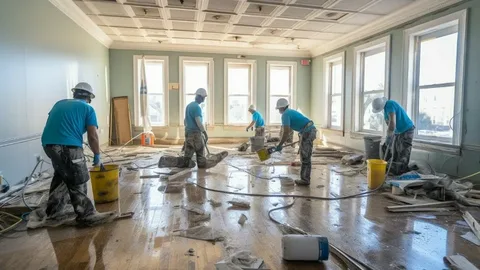
Once the bulk water is gone, the drying phase begins. This is where most DIY attempts fall short. Industrial air movers and desiccant or refrigerant dehumidifiers work together to push moisture out of structural materials and capture it before it can cause secondary damage.
Drying a structure properly takes time — typically three to five days for a contained water loss, longer for larger events or Category 2 and 3 situations. Technicians monitor moisture readings daily using calibrated meters, adjusting equipment placement based on how the materials are drying. It’s a science, not guesswork.
Mold Remediation and Antimicrobial Treatment
If mold is already present — or if drying was delayed — remediation becomes part of the restoration process. This involves physically removing contaminated materials, HEPA vacuuming affected surfaces, applying EPA-registered antimicrobial agents, and in many cases, setting up containment barriers to prevent cross-contamination to unaffected areas of the home.
Skipping this step or doing it incompletely is one of the most common reasons homeowners end up with recurring mold problems after a water event.
Reconstruction and Restoration to Pre-Loss Condition
Once everything is dry and treated, the rebuilding begins. This can range from replacing a section of drywall and repainting to full room reconstruction with new flooring, insulation, cabinetry, and framing. A full-service restoration company handles both the mitigation side and the rebuild side, which matters enormously for insurance claim coordination and project timeline.
Common Causes of Water Damage in Horizon, TX
Understanding what causes water damage in this specific community helps homeowners stay ahead of problems before they escalate.
Monsoon flooding is the most dramatic cause. El Paso County averages around 9 inches of annual rainfall, but much of it falls in concentrated bursts during the summer monsoon season. Streets flood, drainage channels overflow, and water finds its way into homes through garage doors, window wells, and foundation cracks.
Plumbing failures are the most common cause year-round. Burst pipes, failed supply lines behind appliances, leaking water heaters, and deteriorated pipe joints all contribute. In Horizon’s older housing developments, galvanized steel pipes that have reached the end of their service life are a frequent culprit.
Roof leaks become critical during storm season. A compromised roof membrane, cracked flashing around vents or chimneys, or damaged shingles can allow significant water intrusion during heavy rainfall — often pooling in attic insulation before anyone notices water staining on the ceiling below.
Appliance malfunctions — washing machine hoses, dishwasher connections, refrigerator ice maker lines — fail without warning and can discharge hundreds of gallons before being discovered.
HVAC condensation issues are less dramatic but persistent. Clogged condensate drain lines cause pans to overflow, often leaking into ceilings, walls, and flooring around the air handler unit.
How to Choose the Right Water Damage Restoration Company in Horizon, TX
Not every restoration company operates at the same standard, and in an emergency, you don’t have time to make a mistake. Here’s what to look for.
Certifications and Industry Standards
Look for a company whose technicians hold current IICRC certifications — specifically the Water Damage Restoration Technician (WRT) credential and, if mold is involved, the Applied Microbial Remediation Technician (AMRT) credential. These aren’t just letters after a name. They represent verified training in proper drying science, moisture measurement, contamination protocols, and safety procedures.
A certified technician approaches your home like a controlled drying experiment, not just a cleanup job. That distinction is what separates complete restoration from surface-level work that fails in six months.
24/7 Availability and Response Time
Water damage is never a Monday-morning problem. Pipes burst at 2 a.m. Storms don’t wait for business hours. A restoration company worth hiring in Horizon, TX needs to offer genuine 24/7 emergency response with realistic arrival windows — not an answering service that schedules you for next Tuesday.
Every additional hour of water contact increases drying time, increases the chance of mold activation, and increases your total restoration cost. Response time is a direct financial variable, not just a convenience factor.
Insurance Claims Experience
Dealing with a homeowner’s insurance claim after a water loss is often more stressful than the event itself. A seasoned restoration company should be comfortable working directly with your adjuster, documenting losses with photos and moisture logs, and submitting detailed estimates in the format insurers expect.
Companies like Complete Fire & Water Restoration have navigated hundreds of insurance claims and understand the difference between documentation that gets claims approved quickly and documentation that triggers unnecessary disputes.
What to Do Immediately After Water Damage in Your Horizon Home
The first thirty minutes after discovering a water intrusion event matter more than most homeowners realize. Your actions — or inactions — in that window directly affect how much damage occurs and how smoothly your restoration and insurance process unfolds.
Shut off the water source if it’s a plumbing failure. If you can safely reach the main shutoff valve, do it immediately. Every second the water runs adds to the volume you’ll need to extract and the materials that absorb it.
Move valuables, electronics, and furniture out of the affected area if you can do so safely. Wet carpet and pad underneath furniture can accelerate staining and microbial growth in the padding. Elevating furniture on aluminum foil or moving it entirely reduces secondary damage.
Do not use standard household fans to try to dry the area yourself. This is a well-intentioned mistake that often spreads moisture to adjacent dry areas, extending the drying perimeter. Structural drying requires calibrated airflow and dehumidification working in combination, not just air movement.
Document everything before cleanup begins. Photograph standing water, damaged materials, and affected personal property. This documentation is critical for your insurance claim and gives restoration technicians a baseline to reference.
Call a professional restoration company immediately. Do not wait to see if it dries on its own. In the Horizon, TX climate, it won’t — at least not safely, and not before mold has already started.
Insurance Coverage for Water Damage in Texas
Texas homeowner’s insurance policies cover water damage in most sudden and accidental scenarios — a burst pipe, an appliance failure, or storm-driven rain entering through a compromised roof. What they typically do not cover is damage caused by flooding from outside the home, which requires a separate flood insurance policy through FEMA’s National Flood Insurance Program (NFIP) or a private flood insurer.
Given Horizon’s documented flash flood exposure during monsoon season, homeowners who don’t carry flood insurance are taking a meaningful financial risk. The average NFIP flood claim payout in Texas has historically exceeded $30,000, according to FEMA data — a figure that surprises most people who assumed their standard homeowner’s policy would cover it.
Gradual damage — a slow leak that’s been dripping behind a wall for months — is also typically excluded from coverage under most standard policies. Insurers treat gradual damage as a maintenance failure rather than a sudden loss event. This is another reason why addressing suspected leaks quickly and keeping records of maintenance and repairs matters from a financial protection standpoint.
The Bottom Line
Water damage never gets smaller by waiting. Every hour counts, and in Horizon, TX — where monsoon storms and plumbing failures can strike without warning — having the right team on call makes all the difference. Complete Fire & Water Restoration brings certified expertise, fast response, and real results when your home needs it most. Act quickly, choose wisely, and get your home back to normal the right way.
Frequently Asked Questions
How long does water damage restoration take?
It depends on the scope and water category, but most residential water losses take between three to seven days for the drying phase alone. Full reconstruction, if needed, can extend the timeline by several weeks depending on material lead times and permit requirements.
Is it safe to stay in my home during restoration?
For minor, contained water losses in a single room, yes — most families can remain in their home during restoration. For larger events involving Category 2 or 3 water, mold presence, or significant structural work, temporary relocation is often recommended for health and safety reasons.
Will my homeowner’s insurance cover water damage restoration?
Most standard policies cover sudden and accidental water damage from plumbing failures or storm damage to the structure. Flooding from outside the home requires separate flood insurance. A professional restoration company can help you understand what your policy likely covers and assist with documentation.
Can I handle water damage cleanup myself?
For very minor, contained incidents involving clean water and no porous material saturation, basic cleanup is possible. For anything involving significant water volume, saturated walls or floors, Category 2 or 3 water, or any sign of mold, professional restoration is strongly recommended. Improper drying is the leading cause of post-water-damage mold growth.
How do I know if there’s hidden mold after a water event?
Common signs include musty odors, visible discoloration on walls or ceilings, worsening allergy symptoms among occupants, and warped or bubbling paint or wallpaper. A professional moisture assessment using thermal imaging and air quality testing is the only reliable way to confirm or rule out hidden mold.
What is the IICRC and why does it matter?
The Institute of Inspection, Cleaning and Restoration Certification is the global standard-setting body for the restoration industry. Their standards define proper protocols for water damage response, mold remediation, and structural drying. Hiring an IICRC-certified company means you’re getting technicians trained to industry best practices, not improvised methods.
How soon after water damage does mold start to grow?
Under warm, humid conditions — which is exactly what a wet building cavity creates — mold can begin to colonize within 24 to 48 hours of water exposure. This is why professional extraction and drying needs to begin as quickly as possible after a water loss event.