Reliable Fire and Smoke Damage Restoration Services in El Paso TX
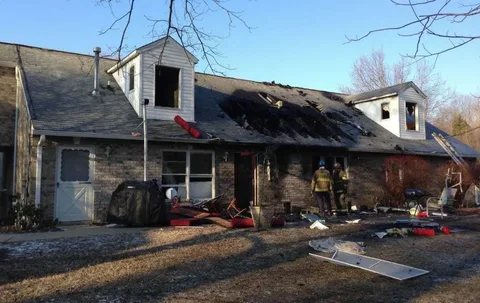
Fire can affect far more than the area touched directly by flames. Smoke, soot, heat, water from suppression efforts, and airborne residue may spread through several rooms. Reliable Fire and Smoke Damage Restoration Services help property owners evaluate the full extent of damage, stabilize affected areas, and organize cleanup before repair work begins. The process should address both visible fire damage and less obvious contamination.
After a fire, homeowners may notice black residue, persistent odors, stained surfaces, damaged drywall, or affected belongings. However, smoke can also move through vents, openings, wall cavities, and adjoining spaces. Therefore, a room that appears untouched may still require inspection.
Complete Fire & Water Restoration provides emergency restoration support for residential and commercial properties in El Paso, Horizon, and nearby areas.
A careful recovery plan considers structural conditions, soot, smoke odor, contents, water damage, and repair needs together. The following guide explains the most important steps property owners should understand after a fire.
Begin With Property Safety and Damage Assessment
Fire restoration should not start with surface cleaning alone. Heat can weaken materials, electrical components may be affected, and firefighting water can create additional moisture concerns.
The first stage should focus on determining whether the property is safe enough for inspection and what areas require immediate attention.
Identify the Most Urgent Conditions First
A professional assessment may include:
- Fire-damaged structural materials
- Electrical or utility concerns
- Water from firefighting efforts
- Soot and smoke contamination
- Open windows, doors, or roof areas
Property owners should avoid entering sections that appear structurally unstable. Likewise, touching soot-covered materials without suitable protection can spread residue to cleaner areas.
Professional fire damage cleanup should also distinguish between materials that can be cleaned and those that have suffered significant physical damage.
Photos and written notes may help document conditions before major cleanup begins. However, safety should always take priority over documentation.
Once immediate hazards are understood, restoration professionals can create a more organized plan for cleaning, deodorizing, drying, contents handling, and reconstruction.
How Fire and Smoke Damage Restoration Services Address Soot
Soot can settle on walls, ceilings, flooring, cabinets, furniture, fixtures, and personal belongings. Different materials may react differently to residue, so one cleaning method does not fit every surface.
Cleaning should therefore follow an assessment of the affected material and the type of contamination present.
Use Suitable Cleaning Methods for Each Surface
Professional Fire and Smoke Damage Restoration Services may include soot removal, smoke cleanup, odor treatment, structural cleaning, and restoration planning.
Important cleanup steps may involve:
- Identifying affected surfaces
- Removing loose residue carefully
- Testing cleaning methods where appropriate
- Protecting unaffected areas
- Evaluating damaged finishes
Soot removal services should avoid simply wiping every surface with the same household cleaner. Some cleaning methods can smear residue or push contamination deeper into porous materials.
Walls, metal fixtures, upholstery, wood, and finished cabinetry may each require different handling.
Complete Fire & Water Restoration can also evaluate whether materials remain suitable for restoration or require replacement because of heat, smoke, or physical damage.
The goal is to clean recoverable materials without causing unnecessary additional damage during the process.
Remove Smoke Odors From Affected Areas
Smoke odor can remain after visible soot has been removed. Odor-causing residue may settle into porous materials, furnishings, carpets, wall cavities, and other areas.
Therefore, deodorization should follow source removal rather than simply covering the smell with fragrances.
Find Where Smoke Residue Has Traveled
Professional smoke odor removal in El Paso, TX should consider more than the room where the fire originated.
Potential odor sources can include:
- Drywall and ceilings
- Upholstered furniture
- Carpeting
- Cabinets
- HVAC-related areas
- Personal belongings
Professional smoke odor removal often works best after soot and heavily contaminated materials have already been addressed.
For example, odor treatments may provide limited results when smoke-covered debris remains inside the property. Removing or cleaning the source helps create a stronger foundation for deodorization.
Air movement and filtration may also support the cleanup process depending on the conditions.
Property owners should expect odor treatment to follow the actual spread of smoke rather than focusing only on the most visibly damaged room.
Evaluate Contents and Personal Belongings Carefully
A property fire can affect furniture, clothing, electronics, documents, decorations, and other personal items. Some belongings may be restorable, while others may have suffered irreversible heat, water, or smoke damage.
Each item should be evaluated according to its material and condition.
Separate Salvageable Items From Severely Damaged Contents
Professional contents cleaning after fire may include cleaning, deodorizing, drying, inventory, or temporary removal from the affected property.
Five practical considerations include:
- Amount of soot contamination
- Heat exposure
- Water exposure
- Material type
- Replacement versus restoration practicality
Soft materials can absorb smoke differently from metal, glass, or hard surfaces. Electronics may also require specialized evaluation rather than ordinary cleaning.
Homeowners should avoid discarding everything immediately unless safety requires removal. Documentation can help maintain a record of damaged belongings.
Likewise, severely contaminated items should not be moved through clean rooms without a plan because soot can transfer to other surfaces.
A structured contents process helps property owners understand what may be cleaned, what requires specialized care, and what may need replacement.
Address Water Damage Created During Fire Suppression
Water used to control a fire can create a second restoration challenge. Flooring, drywall, insulation, cabinets, and structural materials may become wet while also carrying smoke or soot contamination.
This combination means drying and fire cleanup may need to happen together.
Dry Wet Materials Before Reconstruction
Professional Fire and Smoke Damage Restoration Services should include moisture assessment when water has entered the property.
Restoration professionals may review:
- Wet drywall
- Flooring and subfloors
- Insulation
- Cabinet bases
- Framing
- Ceiling materials
Water extraction and structural drying may be needed before damaged areas can be rebuilt.
Homeowners should avoid installing replacement drywall, flooring, or cabinetry over materials that still contain excess moisture. Doing so can hide unresolved conditions.
Moisture meters and other professional tools can help identify wet areas that may not feel damp at the surface.
Fire recovery becomes more effective when smoke, soot, structural damage, and water intrusion are treated as connected problems instead of separate projects.
Plan Repairs After Cleanup and Stabilization
Permanent reconstruction should begin after the property has been stabilized, contaminated materials have been addressed, and affected areas are ready for repair.
Starting cosmetic work too early can cover underlying damage that still requires attention.
Move From Cleanup Into Organized Reconstruction
Professional fire damage cleanup in Horizon, TX may need to transition into structural repair depending on the severity of the loss.
Common repair needs can include:
- Drywall replacement
- Ceiling repairs
- Flooring restoration
- Painting and finishing
- Structural repairs
Expert Fire and Smoke Damage Restoration Services should keep cleanup and reconstruction connected so the repair plan reflects what was actually found during restoration.
For example, removing damaged drywall may reveal framing or electrical conditions that require additional evaluation. Likewise, smoke contamination may extend farther than originally visible.
Complete Fire & Water Restoration also provides reconstruction support after disaster cleanup, which can help coordinate the transition from mitigation to repair.
The strongest recovery plan restores both function and appearance without rushing past hidden conditions.
Conclusion
Fire recovery often involves several types of damage at the same time. Flames may affect structural materials, while smoke and soot spread into other rooms. Water used during suppression can add moisture concerns that require drying before reconstruction begins.
Trusted Fire and Smoke Damage Restoration Services should therefore follow a logical sequence. Safety and stabilization come first, followed by inspection, soot removal, odor treatment, contents evaluation, drying, and repair planning.
Homeowners should avoid assuming that a surface is clean simply because visible residue has disappeared. Smoke contamination and odors may remain in porous materials or concealed spaces.
Likewise, not every affected material automatically requires replacement. Professional assessment helps determine what can reasonably be cleaned, restored, or repaired.
For properties in El Paso and Horizon, quick organization after a fire can make the recovery process easier to manage. Keeping photographs, damage records, professional reports, and repair information together also supports clearer decision-making.
Working with Complete Fire & Water Restoration allows property owners to address fire, smoke, soot, moisture, and reconstruction as connected parts of the same recovery process. Careful cleanup and informed repair planning can help return an affected property to a stable and usable condition.
FAQ’s
What should homeowners do first after a property fire?
Prioritize personal safety, follow fire department guidance, avoid unstable areas, and arrange a professional assessment before beginning major cleanup.
Can smoke damage affect rooms that were not burned?
Yes. Smoke can travel through openings, vents, hallways, and other areas, leaving residue or odor beyond the fire’s immediate location.
Can soot be cleaned with ordinary household products?
Not always. Different soot residues and surfaces require different cleaning methods, and improper cleaning can spread or embed contamination.
Why can smoke odor remain after cleaning?
Odor-causing residue may remain inside porous materials, furnishings, wall cavities, or other areas that still require treatment.
When should reconstruction begin after fire damage?
Permanent repairs should generally begin after the property is stabilized, affected areas are cleaned, and moisture or contamination concerns have been addressed.