
Reliable Emergency Water Removal Services in El Paso, TX
Water can move through flooring, drywall, cabinets, insulation, and other materials much faster than many property owners expect. When a leak, pipe failure, or indoor flooding occurs, reliable Emergency Water Removal Services help control standing water and begin the drying process before moisture spreads farther. Fast action also gives restoration professionals a clearer opportunity to identify affected materials and plan appropriate recovery work.
For homeowners and businesses in El Paso, TX, water problems can come from plumbing failures, appliance leaks, roof intrusion, storms, or unexpected overflows. However, removing visible water is only one part of proper recovery. Moisture may remain under floors or behind walls even when surfaces appear dry.
Complete Fire & Water Restoration provides property restoration support for water-related emergencies in El Paso, Horizon, and nearby communities. A professional response focuses on identifying the source, removing excess water, checking moisture levels, drying affected materials, and determining what can safely remain.
Why Fast Water Removal Matters After Property Damage
Standing water creates immediate problems, but hidden moisture can continue affecting a property after puddles disappear. Drywall, wood, insulation, carpet padding, and cabinets can absorb moisture. Therefore, quick assessment helps determine how far the water traveled.
Understanding the First Stage of Water Recovery
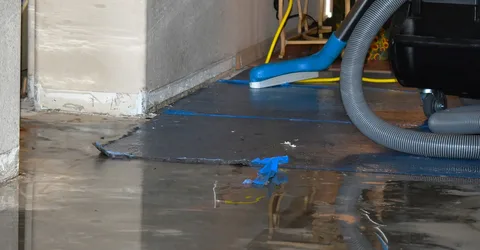
Professional water extraction services use suitable equipment to remove excess water from affected areas. The next step involves checking materials for retained moisture instead of judging conditions by appearance alone.
Property owners should focus on:
- Stopping the water source when it is safe to do so
- Keeping people away from possible electrical hazards
- Documenting visible damage before cleanup
- Removing standing water as quickly as practical
- Checking surrounding materials for hidden moisture
Waiting too long can make drying more complicated. For example, water may move beneath flooring or into wall cavities where normal household fans cannot reach it.
A professional assessment also considers the source of the water. Clean supply-line water requires a different approach from contaminated water. Consequently, technicians need to understand both the amount of water and the materials affected before deciding what can be dried, cleaned, or removed.
What Professional Water Removal Includes
Water removal is not simply a matter of pumping out visible water. A complete response follows several connected steps that help stabilize the property and prepare it for drying and repairs.
How Expert Water Removal Is Organized
Emergency Water Removal Services may include extraction, moisture detection, controlled drying, cleaning, and ongoing monitoring. The exact process depends on the water source, affected materials, and size of the loss.
Five important stages commonly include:
- Inspecting the affected rooms and nearby spaces
- Removing standing water with extraction equipment
- Measuring moisture in floors, walls, and other materials
- Positioning drying equipment based on actual conditions
- Monitoring progress until materials reach appropriate moisture levels
Professional water mitigation services also focus on limiting additional damage while recovery is underway. For example, soaked carpet padding may need removal even when the carpet surface looks manageable.
Meanwhile, furniture or contents may need to be moved so technicians can reach wet areas. Each decision should depend on material conditions rather than a one-size-fits-all cleanup plan.
Good restoration work combines equipment with careful observation. Therefore, moisture readings and repeated checks matter as much as the initial extraction.
Why Structural Drying Comes After Water Extraction
Removing standing water significantly reduces the immediate problem. However, building materials often hold moisture after extraction ends. Drying these materials is necessary before repairs or finish work begins.
Homeowners should avoid assuming a room is dry simply because surfaces no longer feel wet.
Finding Moisture Beyond the Visible Surface
Professional structural drying services in El Paso, TX can help address moisture inside drywall, subfloors, framing, cabinets, and other porous materials.
A drying plan may consider:
- The type of building material affected
- How long the material remained wet
- Air movement around the damaged area
- Indoor humidity conditions
- Moisture readings taken during the drying period
Air movers and dehumidification equipment serve different purposes. Air movement helps moisture leave wet materials, while dehumidification helps remove that moisture from the indoor air.
Additionally, enclosed spaces may require closer inspection because moisture can remain trapped. Cabinets, wall cavities, and flooring systems often deserve special attention.
The goal is not to run equipment for a fixed number of days. Instead, drying decisions should follow actual moisture conditions. That approach provides a more reliable basis for determining when repair work can move forward.
Handling Different Sources of Indoor Water Damage
Not every water emergency creates the same restoration needs. A leaking supply line, washing machine overflow, storm intrusion, and plumbing backup can affect materials differently.
Therefore, professional Emergency Water Removal Services should begin by identifying both the source and the extent of the water.
Match the Cleanup Method to the Situation
Complete Fire & Water Restoration can assess water-affected spaces before determining the appropriate extraction, drying, and restoration steps.
Property owners should consider five questions:
- Where did the water originate?
- Is the water still entering the property?
- Which rooms or building materials were affected?
- Has water moved into hidden spaces?
- Are any materials contaminated or physically damaged?
For example, a small appliance leak may remain limited to one area if noticed quickly. In contrast, water from a prolonged pipe leak can travel through flooring and into adjacent rooms.
Storm-related water can also enter through roofing, windows, doors, or other exterior openings. In such situations, preventing continued entry becomes part of the recovery plan.
Good restoration decisions depend on evidence from the property. Consequently, inspecting the full affected area can prevent important moisture problems from being overlooked.
Recovering From Flooding and Burst Pipe Problems
Flooding and burst pipes can release a large amount of water into a property within a short period. The first priority is controlling the source and making the area safe enough for inspection.
After that, water removal and drying should follow a clear sequence.
Focus on Damage Control Before Cosmetic Repairs
Professional flood cleanup services in Horizon, TX should address wet materials before painting, flooring replacement, or other finish work begins.
Five practical priorities include:
- Stop or isolate the water source when possible
- Remove standing water from accessible areas
- Inspect flooring, baseboards, walls, and cabinets
- Dry materials that remain suitable for restoration
- Remove materials that cannot be safely retained
Burst pipe cleanup may also involve checking adjoining rooms because water can move beneath flooring or through wall openings.
Likewise, professional water extraction services should reach more than the most obvious puddles. Moisture can collect around cabinets, beneath carpet padding, and along wall edges.
Property owners should also keep records of affected areas and removed materials. Clear documentation can help maintain an organized restoration process, especially when several rooms require work.
How Trusted Emergency Water Removal Services Reduce Secondary Damage
The quality of water removal depends heavily on what happens after the first extraction. Drying, monitoring, cleaning, and repair planning all affect how successfully a property moves from emergency response to recovery.
A coordinated process also prevents repair work from starting too early.
Know When the Property Is Ready for the Next Phase
Important recovery checkpoints include:
- Confirming that standing water has been removed
- Checking moisture levels in affected materials
- Reviewing areas that may contain hidden moisture
- Cleaning surfaces according to the water-loss conditions
- Identifying materials that need repair or replacement
Professional drying equipment can be highly effective, but equipment placement should follow the conditions found during inspection. More equipment does not automatically mean better drying.
Likewise, water mitigation services should focus on preventing avoidable deterioration while preserving materials that can reasonably be restored.
Once drying is complete, homeowners can make more informed repair decisions. Flooring, drywall, trim, cabinetry, or insulation may need attention depending on the severity of the loss.
Careful sequencing helps protect both the restoration work and the replacement materials that follow.
Conclusion
Water damage recovery works best when property owners respond to both visible water and moisture hidden inside building materials. Extraction is the first major step, but effective drying, monitoring, cleanup, and repair planning complete the process.
experienced Emergency Water Removal Services can help property owners understand which materials need immediate attention and which may be suitable for drying and restoration. This approach supports practical decision-making rather than replacing materials simply because they were located near the water loss.
For properties in El Paso and Horizon, common water events can involve plumbing failures, storm intrusion, appliance leaks, or unexpected flooding. Regardless of the cause, the response should remain focused on controlling moisture and protecting the affected structure.
The strongest recovery plan also considers safety, material condition, contamination concerns, and the possibility of hidden water. Therefore, homeowners should avoid rushing into cosmetic repairs before moisture conditions are properly addressed.
Complete Fire & Water Restoration supports property owners through water-loss recovery with a service approach centered on extraction, drying, cleanup, and restoration planning. With the right sequence of work, a water-damaged property can move from an emergency situation toward a safer and more organized recovery.
FAQ’s
How quickly should water removal begin after a leak or flood?
Water removal should begin as soon as the source is controlled and the affected area can be approached safely. Faster action can limit how far moisture spreads.
Is removing standing water enough to dry a property?
No. Flooring, walls, cabinets, insulation, and other materials may retain moisture after visible water disappears.
Can wet drywall always be dried instead of removed?
Not always. The decision depends on contamination, damage severity, moisture exposure, material condition, and whether effective drying is possible.
How do professionals know when a structure is dry?
They can use moisture-measuring tools and ongoing inspections to compare affected materials with appropriate dry conditions.
What should homeowners do before restoration professionals arrive?
If safe, stop the water source and avoid electrical hazards. Keep people away from unsafe areas and document visible damage without entering dangerous spaces.