Trusted Storm Damage Restoration Services in El Paso, TX
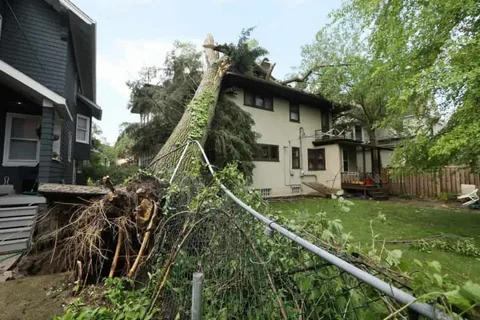
Severe weather can affect a property in several ways at once. High winds may damage roofing or exterior materials, while rain can enter through openings and spread into walls, ceilings, flooring, or insulation. For homeowners and businesses facing these conditions, reliable Storm Damage Restoration Services focus on limiting further damage, removing water, drying affected materials, and creating a practical recovery plan.
Complete Fire & Water Restoration serves property owners dealing with storm-related damage in El Paso, Horizon, and surrounding communities. A professional response should begin by identifying immediate safety concerns and areas where water may continue entering the property.
Storm recovery is not only about visible repairs. Hidden moisture, damaged exterior materials, debris, and weakened building components may require attention before normal repairs begin. Therefore, property owners benefit from a step-by-step approach that prioritizes stabilization first. From there, drying, cleaning, repairs, and documentation can move forward in a more organized way.
Assess Storm Damage Before Starting Repairs
Storm damage can look straightforward from the outside while hiding larger problems inside the structure. Missing shingles, damaged siding, broken windows, and ceiling stains may point to water entering areas that are harder to inspect.
A careful assessment helps determine which problems need immediate attention and which repairs can wait until the property is stable.
Look Beyond the Most Visible Damage
After a storm, homeowners should avoid focusing only on the largest visible problem. Water can move beyond the original entry point and collect behind walls, under flooring, or inside insulation.
A useful first inspection should consider:
- Roofing and exterior openings
- Windows, doors, siding, and gutters
- Standing water or wet flooring
- Ceiling and wall discoloration
- Loose materials or storm debris
Emergency storm cleanup may also involve removing debris and securing exposed sections of the property before more detailed restoration begins.
El Paso properties can experience sudden wind and rain events that create several damage types at once. Therefore, the restoration plan should consider the entire affected area rather than treating each visible symptom separately.
Address Wind Damage in El Paso Properties
Strong winds can loosen roofing materials, damage gutters, break exterior components, and create openings that allow rain into the building. Even relatively small exterior damage can become more serious when another storm arrives before repairs occur.
That is why Wind damage repair in El Paso, TX should begin with identifying areas where the building envelope has been compromised.
Temporary Protection Can Limit Additional Damage
Temporary measures may help protect exposed areas until permanent repairs can begin. For example, roof coverings or secured openings can reduce additional rain intrusion.
Homeowners should also check nearby areas for signs of water movement. A damaged roof section may allow moisture to travel into ceilings or walls several feet away from the original opening.
Five useful priorities include:
- Check roofing for missing or displaced materials.
- Look for damaged exterior trim and siding.
- Inspect ceilings below affected roof areas.
- Keep people away from unstable materials.
- Document visible damage before repairs begin.
These steps help create a clearer picture of the loss while reducing unnecessary exposure to damaged areas.
Manage Flood and Rainwater Damage in Horizon
Heavy rainfall and stormwater can spread quickly through lower levels, flooring systems, wall materials, and storage areas. As a result, cleanup should address both standing water and moisture that has moved into porous building materials.
For local properties, Flood cleanup services in Horizon, TX can support water removal, drying, cleaning, and damage evaluation after severe weather.
Water Removal Is Only the First Stage
Removing visible water does not always mean the property is dry. Drywall, wood, insulation, and layered flooring may hold moisture after surfaces appear normal.
Property owners should focus on:
- Removing accessible standing water.
- Identifying wet structural materials.
- Checking enclosed spaces for moisture.
- Creating airflow around affected areas.
- Monitoring drying progress before repairs.
Depending on the source, stormwater may also carry dirt and other contaminants. Therefore, affected materials should be evaluated before homeowners attempt extensive cleaning themselves.
Horizon homeowners should also watch for new odors, swelling materials, staining, or soft drywall after a storm. These signs can indicate that moisture remains within the structure.
Use Proper Drying After Stormwater Intrusion
Drying is a critical part of storm recovery because trapped moisture can continue affecting building materials after visible water disappears.
Professional Storm Damage Restoration Services should combine water removal with moisture evaluation and controlled drying based on the conditions inside the property.
Drying Should Follow Measured Conditions
Structural drying after storms often requires more than opening windows or placing household fans near wet surfaces. Affected materials may hold moisture below the surface, especially when water reaches wall cavities or multiple flooring layers.
Restoration planning should consider:
- The amount of water that entered
- The materials that became wet
- How long moisture remained present
- Air movement around affected surfaces
- Moisture levels during the drying process
Drying should continue until conditions support the next stage of repairs. Starting reconstruction too early may cover materials that still contain excess moisture.
For both El Paso and Horizon properties, this step can help prevent a simple storm cleanup from becoming a larger repair problem later.
Repair Roof Leaks and Storm Openings Carefully
Roof damage is one of the most common ways rain enters a property during severe weather. However, the visible ceiling stain inside the home may not sit directly below the exterior opening.
Water can travel along framing, roof decking, or other materials before appearing indoors. Therefore, expert Storm Damage Restoration Services should consider both the exterior damage and the interior areas affected by moisture.
Find the Source Before Repairing Interior Finishes
Effective roof leak restoration starts with stopping the water entry point. Interior paint, drywall, or ceiling repairs should generally come after the source has been controlled and affected materials have been evaluated.
Homeowners should consider:
- Checking the roof after major wind events.
- Looking around vents and roof penetrations.
- Watching for ceiling stains or peeling paint.
- Inspecting attic areas when safe to do so.
- Drying wet materials before cosmetic repairs.
A temporary repair may protect the structure until permanent roofing work can be completed.
Meanwhile, interior areas should remain part of the same restoration plan. Fixing only the exterior opening may leave wet materials inside the home untreated.
Organize Cleanup, Documentation, and Repairs
A major storm can create several projects at once. Roofing, water extraction, drying, debris removal, interior repairs, and exterior work may all need coordination.
Complete Fire & Water Restoration can approach storm recovery as a connected process rather than treating each affected area as an unrelated repair.
Keep a Clear Record of the Damage
Documentation helps property owners understand what happened and what work has been completed. Photos taken before cleanup can also provide a useful record of visible conditions.
A practical recovery process may include:
- Photographing affected rooms and exterior areas.
- Recording damaged materials and belongings.
- Keeping repair and cleanup information together.
- Tracking areas that require additional drying.
- Reviewing completed repairs before closing the project.
Dependable Storm Damage Restoration Services should also explain which work requires immediate attention and which repairs can follow later.
This helps homeowners make decisions based on urgency rather than trying to complete every task at once. Additionally, organized communication can reduce confusion when several parts of the property need attention.
Conclusion
Storm damage can affect roofing, exterior materials, walls, ceilings, flooring, and personal property within a short period. Therefore, an effective recovery plan should start with stabilization and damage assessment before moving into drying and permanent repairs.
El Paso homeowners may need help after wind-driven rain, damaged roofing, or exterior storm impacts. Horizon properties may also experience flooding, water intrusion, and moisture problems after severe weather. Although the type of damage can vary, both areas benefit from a structured response that addresses the source first and repairs the property in the proper order.
Complete Fire & Water Restoration provides storm-related restoration support for properties in El Paso and Horizon. Homeowners should document damage, address active water entry, evaluate wet materials, and avoid covering moisture problems with cosmetic repairs.
Ultimately, trusted Storm Damage Restoration Services should focus on protecting the property from additional loss while creating a clear path toward cleanup and repair. Careful inspections, proper drying, practical temporary protection, and organized restoration decisions can help property owners move from storm damage toward a safer and more functional property.
FAQ’s
What should I do first after storm damage in El Paso?
Check for immediate safety hazards, avoid unstable areas, document visible damage, and take reasonable steps to prevent additional water from entering.
Can storm damage cause hidden moisture problems?
Yes. Water can travel behind walls, under flooring, through ceilings, and into insulation even when the surface appears dry.
Should I repair interior ceiling damage before fixing a roof leak?
Usually, the water entry source should be controlled first. Wet interior materials should also be properly evaluated and dried before cosmetic repairs begin.
How can Horizon homeowners identify possible stormwater damage?
Look for standing water, stains, swelling materials, damp odors, soft drywall, damaged flooring, or visible water around doors and windows.
Why is professional drying important after a storm?
Professional drying helps address moisture trapped in building materials and enclosed areas that ordinary surface drying may not reach.