
Expert Structural Drying Services for Hidden Water Damage in El Paso, TX
A leak, burst pipe, appliance failure, or indoor flooding can leave moisture far beyond the area that looks wet. Reliable structural drying services help address water trapped inside drywall, flooring, framing, cabinets, and other building materials before it creates additional property damage. For homeowners in El Paso, proper drying is an important part of returning a water-damaged property to a stable condition.
Complete Fire & Water Restoration provides property restoration services for water-related emergencies in El Paso, Horizon, and nearby communities. After standing water is removed, the next priority is understanding how far moisture has traveled and which materials still contain elevated moisture levels.
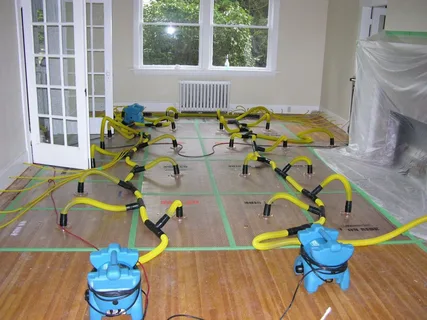
Professional drying involves more than placing fans around a room. Technicians may assess affected materials, create controlled airflow, manage indoor humidity, and monitor moisture readings throughout the process. Therefore, drying decisions should respond to actual conditions rather than a fixed timeline.
Understanding how structural drying works can also help property owners make informed decisions after water damage and recognize why apparently dry surfaces do not always mean the structure is fully dry.
Why Structural Drying Matters After Water Damage
Visible water represents only part of many water-loss situations. Porous materials can absorb moisture quickly, while enclosed spaces may remain damp after the surface appears dry.
For that reason, drying should focus on both obvious and hidden moisture.
Hidden Moisture Can Continue Affecting Materials
Drywall, wood framing, insulation, subflooring, and cabinetry can retain water after extraction. As a result, these materials may swell, weaken, stain, or deteriorate when excess moisture remains.
Professional drying specialists assess where water traveled and determine which areas require additional attention. They may also compare moisture readings from affected and unaffected materials to understand the extent of the problem.
Common areas that deserve attention include:
- Wall cavities near plumbing leaks
- Flooring beneath wet carpet or padding
- Baseboards and lower drywall sections
- Cabinet bases near sinks or appliances
- Framing around flooded rooms
Thorough drying supports better restoration decisions because technicians can identify materials that may be saved and those that require removal.
How Professional Structural Drying Works
Successful drying requires control over moisture, airflow, temperature, and humidity. Simply opening windows or using household fans may not address moisture trapped within construction materials.
A measured process gives property owners a clearer picture of drying progress.
Equipment and Monitoring Work Together
Professional structural drying services may combine extraction equipment, air movers, dehumidifiers, and moisture-measuring tools according to the affected materials and size of the loss.
Five important parts of the process include:
- Removing standing or excess surface water first
- Locating moisture that may not be visually obvious
- Positioning air movers to encourage evaporation
- Using dehumidification to manage moisture in the air
- Checking moisture readings as drying progresses
Additionally, equipment placement may change as conditions improve. This helps direct drying where it is still needed rather than relying on the original setup throughout the entire project.
A documented approach also helps homeowners understand why equipment remains in place and when materials have reached suitable moisture levels.
Finding Moisture That Cannot Be Seen
Water can move under flooring, behind drywall, and through connected building materials. Consequently, visual inspection alone may miss areas that require drying.
Early moisture detection helps define the affected area before unnecessary repairs begin.
Moisture Testing Guides the Drying Plan
Professional moisture detection services can use tools such as moisture meters and thermal imaging as part of a broader inspection. These tools help technicians identify areas that deserve closer testing and monitoring.
For property owners seeking reliable moisture detection services in El Paso, TX, the goal should be to locate moisture accurately rather than assume every nearby surface has the same condition.
Useful inspection points often include:
- Walls beside or below the water source
- Flooring around wet rooms
- Ceiling areas beneath upper-level leaks
- Cabinetry near plumbing fixtures
- Adjoining rooms where water may have traveled
However, detecting moisture is only the beginning. Technicians must continue monitoring affected materials to determine whether drying methods are producing the intended results.
The Role of Air Movement and Dehumidification
After excess water is removed, moisture within building materials needs a way to escape. Controlled air movement encourages evaporation, while dehumidification helps remove that moisture from the surrounding air.
These two processes work together during many structural drying projects.
Controlled Drying Protects the Restoration Process
Air movers should be positioned according to the surfaces that need drying. Meanwhile, dehumidification services help manage indoor moisture so evaporation can continue efficiently.
A practical drying plan typically considers:
- The type of building materials affected
- The amount of water involved
- Indoor humidity conditions
- Room size and configuration
- Moisture readings taken during monitoring
Expert structural drying services should adapt to changing conditions rather than run equipment for an arbitrary number of days.
For example, wood, drywall, and concrete respond differently to moisture. Therefore, technicians need to evaluate each material according to its condition.
Controlled drying can also support material preservation. When appropriate materials can be dried effectively, homeowners may avoid removing components that are still structurally sound.
Why Water Extraction Alone Is Not Enough
Water extraction is a critical first step, but it does not always remove moisture absorbed into walls, floors, or structural components. A room may look clean while hidden materials remain damp.
That distinction is important when planning complete water damage recovery.
Extraction and Drying Serve Different Purposes
Water extraction focuses on removing standing or accessible water. Water extraction and drying then continues with moisture control inside affected materials.
Homeowners should understand five key differences:
- Extraction removes bulk water quickly.
- Drying targets moisture held within materials.
- Dehumidification controls moisture released into indoor air.
- Moisture monitoring tracks drying progress.
- Final evaluation helps determine whether materials are ready for repair.
For homeowners needing professional water extraction and drying in Horizon, TX, both stages should work as part of the same restoration strategy.
Stopping after visible water removal can leave uncertainty about walls, flooring, framing, and enclosed spaces. Therefore, the restoration process should follow measured conditions rather than appearance alone.
Protecting Building Materials During the Drying Process
One goal of structural drying is to preserve building materials when conditions allow. However, not every wet material can or should remain in place.
The type of water exposure, material condition, and duration of saturation all affect restoration decisions.
Drying Plans Should Match the Material
Dependable structural drying services evaluate different materials individually because each one reacts to water differently.
Important considerations include:
- Drywall may absorb water through its lower edges.
- Wood framing can retain moisture after surfaces feel dry.
- Subflooring may hold water beneath finished flooring.
- Insulation can trap moisture inside enclosed cavities.
- Cabinets may swell or separate after extended exposure.
Professionals may use hidden moisture removal methods and targeted drying techniques when moisture has traveled into difficult areas.
Meanwhile, materials that are badly deteriorated or unsuitable for restoration may require removal. This is why accurate assessment matters. Effective restoration does not mean saving every wet item. Instead, it means making informed decisions based on condition, safety, and drying performance.
Conclusion
Structural drying is a critical part of water damage recovery because moisture can remain inside building materials long after standing water disappears. Walls, flooring, framing, cabinetry, and enclosed spaces all require careful evaluation when water has moved beyond the visible surface.
A good drying process begins with identifying the source and affected areas. Water extraction removes excess water, while moisture testing helps determine how far the damage has spread. Air movement and dehumidification then create conditions that allow suitable materials to dry. Finally, ongoing monitoring shows whether the drying plan is working.
Property owners in El Paso and Horizon should not judge water damage only by what they can see or feel. A dry-looking floor or wall may still contain elevated moisture deeper within the material.
Complete Fire & Water Restoration addresses water mitigation and drying as connected parts of property recovery. The most useful approach is one based on measured conditions, suitable equipment, and regular monitoring rather than assumptions.
Professional structural drying can help protect usable materials, guide repair decisions, and reduce the chance that hidden moisture remains overlooked. For homeowners dealing with leaks, plumbing failures, appliance problems, or flooding, proper drying provides a more complete path from water removal to restoration.
FAQ’s
What are structural drying services?
Structural drying services focus on removing excess moisture from building materials such as drywall, framing, flooring, subfloors, and cabinets after water damage.
How long does structural drying usually take?
Drying time depends on the amount of water, affected materials, humidity, airflow, and moisture readings. Professionals should base completion on measured conditions rather than a fixed number of days.
Can walls look dry while still holding moisture?
Yes. Surface materials may appear dry while moisture remains deeper inside drywall, insulation, framing, or wall cavities.
Why are dehumidifiers used during structural drying?
Dehumidifiers remove moisture from indoor air. This supports continued evaporation from wet building materials and helps maintain controlled drying conditions.
Do all water-damaged materials need to be removed?
No. Some materials may be dried and preserved, while others may require removal depending on contamination, deterioration, saturation, and their ability to dry properly.