
Certified Biohazard Cleanup Services in El Paso, TX
Homes, businesses, and managed properties can face sensitive situations involving blood, bodily fluids, biological materials, or other potentially hazardous contaminants. Certified Biohazard Cleanup Services help El Paso property owners address these conditions with controlled cleaning, proper safety procedures, and careful handling. Professional cleanup also limits unnecessary contact with materials that may create health risks.
Complete Fire & Water Restoration provides emergency restoration and specialized biohazard support for residential and commercial properties. Biohazard work requires more than ordinary cleaning. Technicians must identify affected areas, establish appropriate controls, remove contaminated materials, disinfect surfaces, manage odors, and handle regulated waste correctly.
Privacy also matters during sensitive events. Families, property managers, employers, and business owners may already be dealing with significant emotional or operational stress. Therefore, cleanup should remain respectful, organized, and discreet from the initial assessment through the final sanitation process.
A professional response focuses on restoring a usable environment while reducing unnecessary exposure. Understanding what proper biohazard remediation involves can help property owners make informed decisions when an unexpected situation occurs.
Why Biohazard Cleanup Requires Specialized Procedures
Biohazard contamination differs from normal dirt or household spills. Certain biological materials can carry pathogens, spread through porous surfaces, or contaminate areas beyond what is immediately visible.
Contamination Is Not Always Limited to One Surface
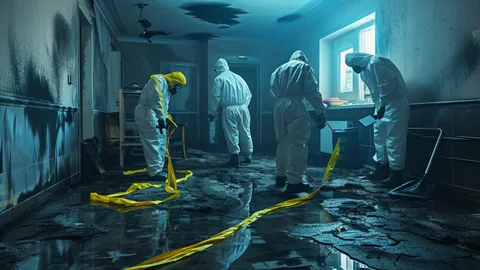
Professional crime scene cleanup may involve floors, walls, furniture, personal belongings, and hidden areas where fluids or residue have traveled.
Technicians should first determine the affected zone. They may then establish controlled work areas so contaminants do not spread into unaffected rooms.
Several factors influence the cleanup plan:
- Type and extent of contamination
- Porous versus nonporous materials
- Length of time materials remained exposed
- Accessibility of affected surfaces
- Required disposal and sanitation procedures
Ordinary household cleaners may not address every biological risk. Furthermore, porous materials can absorb contamination beneath the visible surface.
Professional cleanup teams use suitable protective equipment, specialized cleaning products, containment methods, and disposal procedures based on the conditions present.
Complete Fire & Water Restoration states that its biohazard technicians use medical-grade disinfectants and professional protective equipment while following established safety procedures.
The objective is not simply to make the area look clean. A proper process addresses contamination at its source and helps return the affected space to a safer condition.
Start With a Careful Biohazard Assessment
Every incident has different conditions. Therefore, technicians should inspect the site before deciding what can be cleaned, what requires removal, and how the work area should be controlled.
Identifying the Scope Before Cleanup Begins
Reliable Biohazard Cleanup Services should begin with a structured assessment.
Important early steps may include:
- Locating all visibly affected areas
- Checking nearby surfaces for additional contamination
- Separating affected spaces where appropriate
- Identifying materials that may require disposal
- Planning safe movement into and out of the work zone
A thorough assessment helps avoid cleaning only the most obvious area while leaving hidden contamination behind.
For example, fluids can travel beneath flooring, along baseboards, or into porous building materials. Likewise, contaminated items may require different handling methods based on their material and condition.
Technicians should also consider ventilation and surrounding occupied spaces. This is especially important in apartments, offices, retail properties, and other buildings where unrelated occupants may remain nearby.
Careful planning gives the cleanup team a clearer path from removal through sanitation. Consequently, it supports a more controlled process and reduces unnecessary disruption to the rest of the property.
Managing Biological Contamination Safely
Biohazard work requires technicians to control direct contact and prevent contaminants from moving into clean areas. Protective equipment and disciplined work practices play an important role throughout the project.
Personal Protection and Controlled Cleaning
Expert Biohazard Cleanup Services should consider several safety priorities:
- Appropriate personal protective equipment
- Controlled entry into affected areas
- Proper handling of contaminated materials
- Surface-specific cleaning procedures
- Safe collection of waste after removal
Professional bloodborne pathogen removal requires special care because biological fluids may contain harmful microorganisms. Therefore, untrained occupants should avoid handling contaminated materials when potential exposure exists.
Cleaning methods also depend on the surface. Hard, nonporous materials may sometimes be cleaned and disinfected effectively. In contrast, heavily contaminated porous materials may need removal when safe restoration is not practical.
For property owners seeking discreet trauma cleanup services in El Paso, TX, privacy should remain part of the response plan. Sensitive cleanup should limit unnecessary attention while technicians perform the required work.
A professional team should also communicate clearly about restricted areas and when occupants can safely return.
These measures help protect technicians, residents, employees, and other people who may enter the property during restoration.
Cleaning, Disinfecting, and Decontaminating the Property
Removing visible materials is only one stage of professional remediation. Remaining surfaces may still require detailed cleaning and disinfection before the affected space can return to normal use.
Decontamination Goes Beyond Surface Appearance
Trusted Biohazard Cleanup Services should follow a logical process that addresses both visible and less obvious contamination.
Typical priorities include:
- Removing materials that cannot be safely restored
- Cleaning remaining affected surfaces
- Applying suitable disinfectants
- Addressing contamination in difficult-to-reach areas
- Reviewing the completed work area
Professional biohazard decontamination should match the actual materials and type of contamination present. Using more chemical products does not automatically create a safer result. Correct application, contact time, surface compatibility, and thorough coverage all matter.
Odors may also remain after contaminated material has been removed. In some cases, odor treatment forms part of the overall restoration process. However, deodorizing should never replace proper contamination removal.
Complete Fire & Water Restoration describes using specialized sanitation and odor-control methods as part of its biohazard response.
The goal is to address both the source and its effects. Consequently, cleaning, disinfection, removal, and odor management should work together instead of functioning as separate shortcuts.
Handling Contaminated Materials and Waste Correctly
Some materials cannot remain in place after a significant biohazard incident. Depending on contamination levels, carpeting, padding, furnishings, drywall, or other porous materials may require controlled removal.
Disposal Is Part of the Cleanup Process
Professional teams should evaluate:
- Whether contaminated materials can be restored
- How removed items should be contained
- Where waste can be temporarily stored
- Which disposal procedures apply
- How the work area will be cleaned afterward
Proper hazardous waste disposal helps keep contaminated materials from creating new exposure risks after they leave the affected area.
Technicians should avoid carrying uncontained materials through clean portions of a property. Instead, they should use appropriate containers and controlled handling procedures.
Documentation can also matter, particularly for commercial properties, rental units, or insurance-related restoration work. Clear records help property owners understand what was removed and why.
Disposal rules can vary depending on the material and circumstances. Therefore, professional teams should follow applicable handling requirements rather than treating biological waste like ordinary household trash.
This stage may receive less attention than cleaning, yet it remains essential. A space cannot be considered properly addressed if contaminated materials simply move from one unsafe location to another.
Restoring the Space After Biohazard Cleanup
Once contaminated materials have been removed and surfaces have been treated, the property may still require additional restoration. The extent depends on what materials were affected during the incident.
Moving From Cleanup to Usable Condition
Dependable Biohazard Cleanup Services should consider what happens after decontamination.
Property recovery may involve:
- Replacing removed building materials
- Completing odor treatment where needed
- Repairing walls or flooring
- Restoring affected rooms for normal use
- Reviewing remaining areas before project completion
For customers needing professional crime scene cleanup in Horizon, TX, the same careful process applies. Cleanup should address contamination while also considering what the property needs to become functional again.
Some incidents require only specialized cleaning. Others may involve removal and reconstruction of affected materials. For example, contaminated drywall or flooring may need replacement after remediation.
Complete Fire & Water Restoration provides restoration and reconstruction services in addition to emergency cleanup. This can help coordinate property recovery when damage extends beyond sanitation alone.
Finally, property owners should receive clear information about completed work and any remaining repairs. That communication helps establish realistic expectations and supports an organized return to normal property use.
Conclusion
Biohazard situations require a different approach from ordinary property cleaning. Biological contamination may involve health concerns, porous building materials, hidden affected areas, regulated waste, and emotionally sensitive circumstances. Therefore, professional procedures should focus on safety, containment, sanitation, respectful communication, and proper material handling.
Property owners should avoid making decisions based only on what they can see. Fluids and biological residue can move beyond the original area, especially when porous materials are involved. A detailed assessment helps determine the actual cleanup boundary before remediation begins.
Technicians should also match cleaning methods to the affected surfaces. Some materials can be cleaned and disinfected, while others may require removal. Likewise, odor treatment should support proper sanitation rather than cover an unresolved contamination source.
Complete Fire & Water Restoration serves El Paso and Horizon with specialized restoration services, including biohazard and trauma cleanup. The company’s service information emphasizes professional sanitation methods, protective equipment, proper waste handling, and discreet response.
Overall, effective biohazard restoration combines careful assessment, contamination control, appropriate disinfection, safe disposal, and any necessary property repairs. A structured approach helps restore the affected environment while protecting the people who live, work, or manage the property.
FAQ’s
When should professional biohazard cleanup be considered?
Professional cleanup should be considered when blood, bodily fluids, biological materials, hazardous contaminants, or trauma-related residue may create exposure concerns.
Can regular household cleaners remove biohazard contamination?
Household products may clean some surfaces, but professional remediation uses controlled procedures, protective equipment, and suitable disinfectants for potentially hazardous situations.
Do contaminated carpets or drywall always need removal?
Not always. The decision depends on the material, contamination level, absorption, location, and whether safe restoration is practical.
Why is containment important during cleanup?
Containment helps prevent contaminated materials, tools, or debris from spreading into areas that were not originally affected.
Can a property need repairs after biohazard remediation?
Yes. If contaminated flooring, drywall, cabinetry, or other building materials require removal, repairs or reconstruction may be needed after cleanup.