
Expert Smoke Damage Cleanup Service in El Paso, TX
Smoke damage can continue affecting a property even after a fire has been extinguished. Soot particles, smoke residue, and persistent odors can settle on walls, ceilings, furniture, flooring, and other surfaces. Therefore, prompt cleaning helps prevent the damage from becoming harder to address.
A reliable smoke damage cleanup service focuses on more than visible soot. Smoke can travel through vents, wall cavities, ceilings, and HVAC systems. As a result, rooms that appear unaffected may still contain smoke residue or odor. Complete Fire & Water Restoration explains that its fire and smoke restoration process includes inspection, soot removal, odor treatment, air-quality improvement, and restoration of affected property.
Complete Fire & Water Restoration provides fire and smoke restoration for residential and commercial properties. The company uses specialized equipment and documented restoration procedures to address different levels of smoke contamination.
Homeowners should avoid treating smoke damage as ordinary household dirt. Soot can contain contaminants, while improper cleaning may spread residue across additional surfaces. Therefore, a professional assessment should come before extensive cleanup.
Understanding the Different Types of Smoke Damage
Smoke does not affect every material in the same way. The type of fire, materials burned, ventilation, and length of exposure can all influence the resulting residue and odor.
How Smoke Affects a Property
Expert smoke damage restoration service begins by identifying where smoke traveled and which materials require treatment. Some surfaces may need specialized cleaning, while heavily affected materials may require removal.
Five common areas deserve attention:
- Walls and ceilings can collect visible soot.
- HVAC systems can distribute smoke throughout a building.
- Furniture may absorb smoke odors.
- Carpets and fabrics can retain residue.
- Cabinets and other porous materials can hold odors.
Moreover, smoke can cause problems beyond appearance. The restoration company notes that smoke and soot may affect surfaces, belongings, and indoor air quality.
Consequently, cleaning should cover both visible and hidden contamination. Technicians can inspect affected rooms, determine how far smoke traveled, and develop a suitable treatment plan.
The extent of damage also varies by property. A small kitchen incident may require localized cleaning, while a larger fire can affect multiple rooms and structural components. Therefore, the cleanup approach should match the actual condition of the building.
Soot Removal and Smoke Odor Treatment
Soot and odor require different approaches. Removing visible residue does not necessarily eliminate the smell because smoke particles can remain in porous materials and concealed spaces.
Cleaning Surfaces Without Spreading Residue
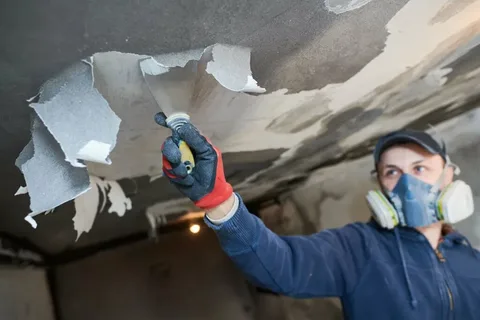
Professional soot damage cleanup should use appropriate methods for each affected material. Different surfaces may require specialized cleaning tools, HEPA filtration, dry-cleaning techniques, or other restoration procedures.
Five important steps include:
- Inspect surfaces before cleaning.
- Identify porous and nonporous materials.
- Use suitable soot-removal methods.
- Protect unaffected areas during cleanup.
- Treat odor sources rather than masking them.
Furthermore, Complete Fire & Water Restoration describes using HEPA air scrubbers, thermal fogging, hydroxyl systems, ozone technology, and specialized soot-cleaning techniques for smoke and odor treatment.
Odor treatment should also consider hidden sources. Smoke can enter vents, attics, closets, and spaces behind surfaces. As a result, applying fragrance alone rarely addresses the underlying problem.
Property owners should also discuss damaged belongings with the restoration team. Salvageable furniture, clothing, electronics, and other contents may be cleaned and deodorized rather than automatically discarded.
Smoke Damage Cleanup in El Paso and Horizon
Local properties can experience smoke damage from kitchen fires, electrical incidents, appliance problems, and larger structural fires. Therefore, homeowners and businesses need a cleanup plan that considers both the visible damage and areas where smoke may have traveled.
Local Restoration for Affected Properties
For property owners seeking professional smoke damage restoration in El Paso, TX, the first step should be a thorough inspection. The restoration team can identify soot deposits, odor sources, affected contents, and areas requiring additional treatment.
Five practical considerations include:
- Document visible damage before extensive cleanup.
- Identify rooms affected by smoke movement.
- Check ventilation and HVAC areas.
- Separate salvageable contents from severely damaged items.
- Discuss restoration priorities before work begins.
The company states that it serves El Paso and surrounding areas with fire and smoke restoration, including cleanup, odor elimination, structural repair, and contents restoration.
For homeowners needing smoke damage restoration in El Paso, TX, local service can help coordinate inspection and restoration according to the property’s condition.
Likewise, reliable smoke odor removal in Horizon, TX should address the source of the odor rather than simply covering it. The Horizon service page specifically describes soot removal, smoke odor treatment, corrosion mitigation, surface cleaning, and content restoration.
Property owners can also review fire and smoke damage cleanup in Horizon, TX when evaluating local restoration options.
Restoring Furniture and Personal Belongings
Smoke damage can affect much more than walls and ceilings. Furniture, clothing, electronics, documents, decorations, and other belongings may absorb smoke or become coated with soot.
Deciding What Can Be Restored
Reliable fire and smoke damage cleanup includes evaluating affected contents before deciding what should be discarded. Some items can receive specialized cleaning and deodorization, depending on their material and condition.
Five useful considerations include:
- Separate heavily damaged items from potentially salvageable contents.
- Photograph belongings for documentation.
- Avoid aggressive DIY cleaning of delicate materials.
- Ask about professional deodorization methods.
- Keep an inventory of items removed from the property.
Moreover, Complete Fire & Water Restoration describes pack-out, inventory, cleaning, deodorizing, storage, and restoration for salvageable belongings.
Electronics require particular care because soot and residue can affect sensitive components. Likewise, fabrics and upholstery can retain odors even after surface cleaning.
Therefore, homeowners should avoid assuming that an item is ruined simply because it smells like smoke. A professional evaluation may identify a suitable restoration method.
What to Expect From the Restoration Process
A structured restoration process makes smoke cleanup easier to manage. The exact sequence depends on the size of the fire, the amount of smoke, structural damage, and the condition of the contents.
From Inspection to Final Restoration
Best smoke damage cleanup service providers typically begin with an inspection and restoration plan. The website describes a process that includes emergency response, property assessment, soot and smoke removal, odor treatment, contents restoration, and reconstruction when necessary.
Five stages commonly guide the work:
- Inspect and document the affected property.
- Secure areas that present immediate concerns.
- Remove soot and damaged materials.
- Clean, deodorize, and restore salvageable contents.
- Complete repairs and final restoration.
Additionally, fire damage can involve electrical problems, damaged framing, melted fixtures, and other structural concerns. Therefore, cleanup may need to continue into repair and reconstruction work.
Insurance documentation can also form part of the process. Complete Fire & Water Restoration states that it works with insurance companies and provides documentation, photos, estimates, and related claim support.
Property owners should keep records of the damage and restoration work. Finally, a final inspection can help confirm that affected areas have received appropriate cleaning and repairs.
Conclusion
Smoke damage cleanup involves much more than removing dark marks from walls. Smoke can travel through a property and settle inside porous materials, ventilation systems, furniture, flooring, and other areas. Therefore, a thorough inspection should guide the restoration process.
Professional cleaning can address soot, residue, odors, and affected contents while also identifying areas that need repair. Specialized equipment may help treat air quality and persistent odors that ordinary household cleaning cannot resolve.
For property owners considering an affordable smoke damage cleanup service in El Paso, TX, prompt professional assessment can help determine the extent of contamination and the appropriate restoration steps. Likewise, homeowners and businesses in Horizon can benefit from a process that considers both visible damage and hidden smoke exposure.
The right approach depends on the type and severity of the fire. Some properties may require focused surface cleaning, while others may need content restoration, structural repairs, or reconstruction.
Overall, careful inspection, appropriate cleaning methods, odor treatment, and proper documentation provide a more complete path toward recovery. Acting promptly also helps property owners understand their options before smoke residue becomes more difficult to remove.
FAQ’s
Can smoke damage affect rooms that were not directly involved in the fire?
Yes. Smoke can travel through vents, ceilings, cracks, and HVAC systems, allowing residue and odors to reach other areas.
Can smoke odors be completely removed?
Professional restoration methods can target odor sources using specialized cleaning and deodorization equipment. The required treatment depends on the severity and location of the smoke damage.
Should I clean soot from walls myself?
It is better to have significant soot contamination assessed professionally. Improper cleaning can spread residue or damage certain surfaces.
Can furniture and personal belongings be restored after smoke damage?
Often, yes. Depending on their condition, belongings may receive pack-out, cleaning, deodorization, and other specialized restoration treatments.
How long does smoke damage restoration take?
The timeline varies according to the severity of smoke contamination, structural damage, contents, cleaning requirements, and repairs. A professional inspection can provide a more accurate project estimate.