
Affordable Water Damage Restoration Services in Horizon, TX
Property damage from unexpected water problems can happen quickly, especially when a broken supply line, overflowing appliance, roof leak, or heavy storm sends water into a home. In Horizon, TX, fast action is important because moisture can move beneath flooring, behind walls, and into insulation before the problem is easy to see. Choosing affordable water damage restoration services in Horizon, TX gives property owners a practical way to control the damage before it becomes a larger repair project. Complete Fire & Water Restoration helps property owners with water extraction and drying solutions designed to return affected spaces to a safe condition.
Why Fast Water Removal Matters in Horizon, TX
Water left inside a property can create several problems at the same time. Wet drywall may become soft, flooring can begin to swell, and moisture trapped inside wall cavities can create an environment where mold develops. Warm weather can make these problems more noticeable when indoor areas remain damp for too long. Affordable water damage restoration services in Horizon, TX focus on removing standing water and reducing hidden moisture before it spreads farther. Quick action can also reduce the amount of material that needs to be removed or replaced during the restoration process.
The type of water involved also affects the restoration approach. A small clean-water leak from a supply pipe may require a different cleanup method than water from a sewage backup or contaminated outdoor flooding. Technicians examine the affected areas and determine which materials can be dried and saved and which materials may need removal. Requesting Affordable water damage restoration services in Horizon, can help property owners address the source of the moisture while also managing drying, cleaning, and odor concerns.
Steps Used to Dry and Restore Water-Damaged Areas
Property Inspection and Moisture Detection
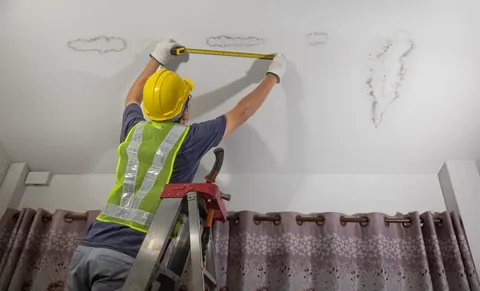
Restoration normally begins with an inspection of the affected property. Technicians check floors, walls, ceilings, cabinets, insulation, and other areas that may have absorbed water. Moisture meters and thermal imaging equipment can help identify damp locations that are not visible from the surface. This information helps the team create a drying plan based on the amount of water and the materials involved. Electrical safety is also considered before equipment is placed in wet areas. A careful inspection reduces the chance of leaving hidden moisture behind after the visible water has been removed.
Water Extraction and Professional Drying
The next stage involves removing standing water as quickly as possible. Powerful extraction equipment can collect water from carpets, hard flooring, and other affected surfaces more efficiently than household equipment. Once the standing water is gone, air movers and dehumidifiers are positioned to encourage evaporation and remove moisture from the indoor air. Technicians may also clean and sanitize affected surfaces when the type of water requires it. This process helps lower the risk of lingering odors, material damage, and microbial growth while allowing the property to move toward normal use.
Protecting Your Property After Water Damage
Restoration does not end when the visible water disappears. Property owners should continue checking areas where leaks have occurred, especially around plumbing fixtures, water heaters, washing machines, windows, and roof openings. Keeping gutters and drainage areas clear can also help reduce the chance of water entering the home during storms. Regular inspections can identify small problems before they become major sources of moisture. If a property has experienced previous water damage, digital leak detection devices can provide another layer of protection by sending an alert when water is detected near important appliances or plumbing connections.
Protecting Foundations and Interior Structures
Water problems can affect more than carpets and drywall. If large amounts of water remain around or beneath a property, the surrounding soil may become saturated. This can create additional concerns for structures that depend on stable ground conditions. Water can also move into wall cavities and affect wood, insulation, fasteners, and other building materials. Addressing moisture early helps limit the time these materials remain exposed to damaging conditions.
For homeowners who need quick assistance, Reliable emergency water cleanup services in Horizon, TX can provide an important first step after a significant leak or flooding event. Removing water promptly gives the affected structure a better chance of drying before damage spreads into additional areas. Professional evaluation can also help property owners understand which materials need drying, cleaning, repair, or replacement.
Conclusion
Water damage can become more expensive when it is allowed to remain untreated. Fast extraction, accurate moisture detection, proper drying, and suitable cleaning methods can help reduce long-term problems. Affordable water damage restoration services in Horizon, TX provide property owners with a practical way to respond when leaks, flooding, or plumbing failures affect their homes. Taking action quickly can protect flooring, drywall, insulation, and other materials while reducing the chance of hidden moisture becoming a larger issue.
FAQs
How can technicians find moisture that cannot be seen?
Technicians can use moisture meters and thermal imaging equipment to identify damp areas behind walls, under flooring, and around other hidden spaces. These tools help locate moisture without unnecessarily opening walls or removing unaffected materials.
Are household fans enough for serious water damage?
Household fans may help with basic airflow, but they are usually not designed for large-scale structural drying. Professional air movers and dehumidifiers provide stronger airflow and moisture control, helping dry affected materials more efficiently.
Does every water damage situation require building permits?
Simple water extraction, cleaning, and drying generally do not involve the same permitting requirements as major construction work. However, repairs involving structural changes, plumbing alterations, or significant rebuilding may require permits based on local requirements.
How quickly can mold become a concern after water exposure?
Mold growth can become a concern when materials stay damp for an extended period. Warm and humid conditions can encourage faster microbial activity, which is why removing standing water and drying affected areas promptly is important.
What should I do first after a major water leak?
If it is safe to do so, shut off the water supply to stop the leak from continuing. Keep away from electrical hazards in wet areas and contact a professional restoration provider to assess the damage and begin appropriate water removal and drying.