Step by Step Process of Reliable Commercial Mold Removal in El Paso, TX
Need professional commercial mold removal in El Paso, TX? Learn the signs, the cleanup steps, and how to pick the right local team fast.
Have you ever walked into your shop or office and caught a funky smell that just would not go away? Maybe a damp corner you noticed last month now has dark spots growing on the wall. Mold is one of those problems that hides for weeks before you even know it is there. By the time you spot it, the damage is often bigger than you think. We have helped many business owners around our city clear out mold from their buildings and get back to running their shops without worry. When you call Complete Fire & Water Restoration, you get a crew that shows up fast, finds every hidden spot, and treats your building like our own.
Living out here in the desert might make you think mold is a problem for wetter places. But the truth is, mold loves any spot where water sneaks in and sits. Slow plumbing leaks, busted swamp coolers, and old roof drips all give mold what it needs to grow. So let’s talk about what mold really does and how a pro team gets your building back to safe.
Why Mold in a Business Building Is a Big Deal
Mold is not just an ugly stain on a wall. It is a living thing that spreads through the air with tiny spores. Once those spores find a damp spot, they grow into a colony in just a day or two. Left alone, mold can cover whole walls, ceilings, and floors within weeks.
Have you noticed any of your workers coughing more than usual or saying their eyes feel itchy at work? Mold spores in the air can cause real health problems for people who spend hours in the building. Workers with asthma or allergies often feel it first.
According to the Centers for Disease Control and Prevention, indoor mold exposure can cause symptoms ranging from stuffy noses to serious lung problems for sensitive people. That makes mold a real health and safety issue, not just a building problem.
For business owners, mold also brings legal risks. If a worker or customer gets sick because of mold in your building, you could be on the hook for medical bills or worse. Acting fast is the only smart play here.
Common Causes of Mold in Local Businesses
Mold needs three things to grow: water, food, and time. Food is easy because mold eats drywall, wood, ceiling tiles, and even dust. Time builds up fast when nobody notices the problem. So water is really the key. Find the water source and you find the mold.
Here are the most common water problems we see in local buildings:
- Slow plumbing leaks under sinks or behind walls
- HVAC systems that drip water into ceiling spaces
- Roof leaks during the rare desert rainstorms
- Swamp coolers that overflow and soak walls
- Toilets that leak from the base
- Broken water heaters that drip for weeks
- Damp basement or storage room walls
A 2024 report from the Environmental Protection Agency showed that water leaks left untreated for more than 48 hours can start mold growth in walls and floors. That short window is why fast action matters so much.
A friend of mine runs a small office downtown. He kept smelling something funky but could not find the source. After two weeks he called us. We found a slow pipe leak behind the breakroom wall that had been dripping for months. Mold had spread through three rooms by then.
Signs Your Building Has a Mold Problem
Spotting mold early can save you thousands of dollars and a lot of headaches. Here is what to watch for on your walks through the building. Make a habit of checking these spots once a month.
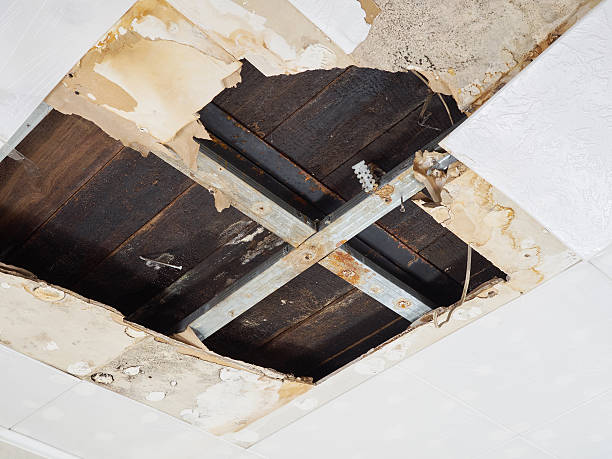
Look for dark stains on walls or ceiling tiles. Mold often shows up as black, green, or brown patches. Sometimes it looks fuzzy. Sometimes it looks slimy.
Watch for paint that bubbles or peels in one spot. This often means water is trapped behind the wall, and mold is likely growing back there too.
Trust your nose. A musty or earthy smell that hangs around even after cleaning is a strong sign of hidden mold. The smell often shows up before you see any visible patches.
Check for warped flooring or soft spots in drywall. These are signs of long-term water damage that almost always come with mold growth.
Have any of your workers started having more breathing trouble or headaches at work? Sometimes the people in the building feel the mold before anyone sees it.
What Pro Mold Cleanup Looks Like
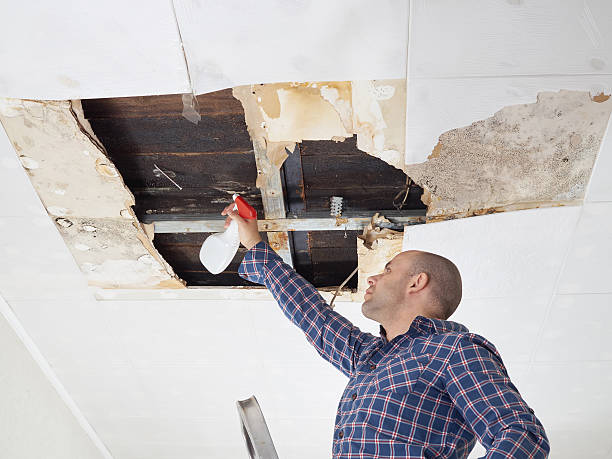
You might wonder why a pro team is better than just scrubbing the spots with bleach. The answer comes down to safety, speed, and getting every last spore. A real cleanup follows clear steps that home gear cannot match.
The first step is the inspection. A skilled crew checks the whole building, not just the spots you see. They use moisture meters and air sampling to find hidden mold behind walls and above ceilings. Skipping this step means missing problem areas that come back fast.
Next comes the containment. The crew seals off the work area with plastic sheets and uses special vacuums to keep spores from spreading to clean parts of the building. Without this, the cleanup itself can spread mold around.
After that, removal begins. Bad drywall, ceiling tiles, and carpet come out. Anything that cannot be cleaned has to go. The crew bags up all the contaminated stuff and hauls it away the right way.
Then comes the cleaning. Every surface in the work area gets a deep clean with special products that kill mold spores. After that, the air gets filtered through HEPA machines that pull out any spores still floating around.
For business owners looking for fast emergency mold removal in El Paso, TX services, this kind of full process is what really matters. Cheap quick-fixes only push the problem deeper into your walls.
Common Mold Types and What They Mean
Not all mold is the same. Some types are just ugly. Others can really hurt your health. Knowing the basics helps you understand what your team finds during cleanup.
| Mold Type | Common Color | Where It Grows | Health Risk |
| Cladosporium | Olive green, brown | Walls, fabric, HVAC | Low to medium |
| Aspergillus | Green, yellow, black | Damp walls, food, dust | Medium |
| Penicillium | Blue, green | Wallpaper, carpet, fabric | Medium |
| Stachybotrys (Black Mold) | Dark green, black | Water-damaged drywall | High |
| Alternaria | Dark brown, green | Damp showers, sinks | Medium |
| Fusarium | Pink, red, white | Carpet, HVAC drip pans | High |
Stachybotrys, often called black mold, is the one that scares most folks. It needs constant moisture to grow, so finding it almost always means there is a long-term water leak somewhere. A pro team handles it with the right safety gear and full containment.
How to Pick the Right Mold Cleanup Team
Picking the right team can feel hard when you are stressed and your building smells bad. But a few clear checks help you spot a real pro from someone who just owns a bottle of bleach.
License is the first stop. Texas requires mold cleanup pros to hold a state license through the Texas Department of Licensing and Regulation. Always ask for the number and check it online. A real pro will hand it over without making it weird.
Insurance comes next. The team should carry both worker’s comp and general liability coverage. Mold work has health risks, so workers need proper protection. If something goes wrong, insurance keeps the bill off your shoulders.
Look at their gear. A team with HEPA vacuums, air scrubbers, moisture meters, and proper safety suits is the real deal. A crew showing up with just a mop and a spray bottle is not who you want for a real mold problem.
Reviews from real local businesses tell you a lot too. Look for a crew with plenty of Google reviews and a steady 4-star rating. Read the bad ones as well. Every team has a few unhappy clients. How they replied tells you more than the good reviews ever will.
A report from the Insurance Information Institute showed that mold-related insurance claims for commercial buildings rose 35 percent over the past five years. That tells you mold problems are growing across the country, and skilled crews are in higher demand than ever.
How to Stop Mold From Coming Back
Cleanup is only half the job. If the water source is still there, mold will grow back within months. So fixing the leak is just as important as cleaning the mold.
Check your roof and gutters once a year. Even in our dry desert climate, the rare big storm can cause leaks that drip water into walls for weeks.
Watch your HVAC system. Drain pans clog up and overflow. Ducts can sweat in humid weather. A yearly check from a HVAC pro keeps these from turning into mold problems later.
Fix small leaks fast. A drip under a sink might seem like no big deal. But left for weeks, it grows mold inside the cabinet, behind the wall, and into the floor below.
Have you walked your whole building lately to check for damp spots? A 30-minute check once a month catches most water problems before they turn into mold problems.
Conclusion
A mold problem in your business is more than just an ugly mess. It is a health risk, a legal risk, and a money risk all rolled into one. Picking the right team makes all the difference between a clean fix and a problem that keeps coming back. Our team brings the right gear, the right know-how, and a friendly face to every job we take. Business owners across our city count on us for professional commercial mold removal in El Paso, TX with honest quotes and clean work. Give us a call when you smell something funky, and we will come find out what is going on.
FAQs
How fast can you respond to a mold emergency at my business? Most of the time we can be at your door within an hour or two. We work around the clock because mold problems do not wait for normal work hours. Our trucks stay ready with all the gear we need for any size job. Faster response means less spread and lower repair bills.
How long does a commercial mold cleanup take? Most jobs finish in 3 to 5 days for small to mid-size buildings. Big buildings with mold in many spots can take a week or more. Drying time after cleanup adds another day or two before we can sign the job off. We give you a clear timeline before any work starts.
Does my business insurance pay for mold cleanup? Some plans cover mold cleanup if it came from a sudden water event like a burst pipe. Mold from slow long-term leaks often is not covered. We help with photos and paperwork for your claim and work straight with your insurance company to make the process easier.
Can my business stay open during mold removal? Sometimes yes, sometimes no. It depends on where the mold is and how big the problem is. Our team can seal off the work area and keep the rest of the building open in many cases. For big jobs, you may need to close for a few days while the cleanup runs.
How can I stop mold from coming back after cleanup? Fix the water source first. Mold needs water to grow, so a dry building stays mold-free. Check your roof, HVAC, and plumbing twice a year. Watch for damp spots and musty smells. Small steps like these stop most mold problems before they ever start.