
Complete Guide to Professional Commercial Fire Restoration in Horizon, TX
Need professional commercial fire restoration in Horizon, TX? Learn the cleanup steps, what insurance covers, and how to pick the right local team.
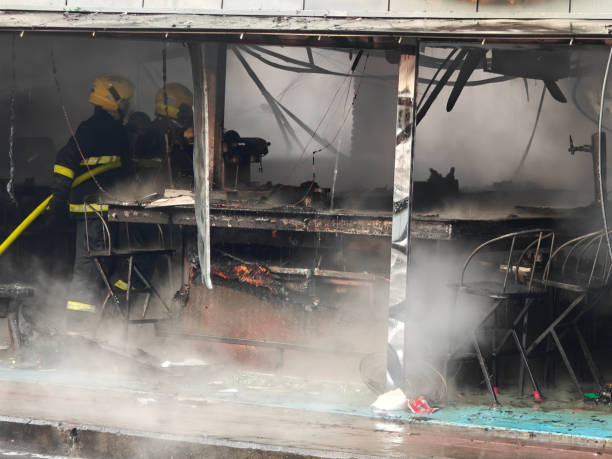
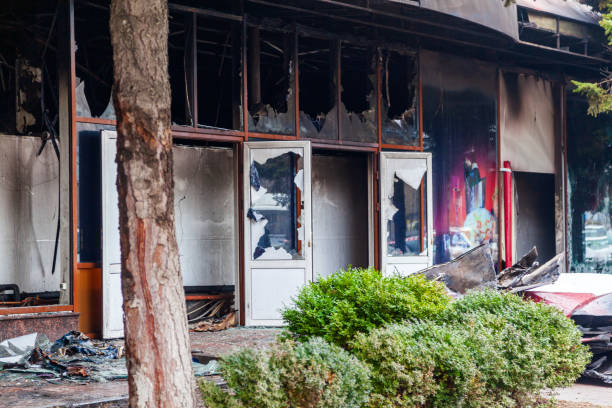
Have you ever walked into a building after a fire? The smell hits you first. Then you see the black soot on the walls, the water from the hoses pooled on the floor, and the burnt mess of what used to be furniture. For a business owner, this view feels like the end of the world. We stood with many local shop and office owners on that first hard morning. The good news is, even the worst-looking fire damage can be fixed when the right team gets to work fast. When you call Complete Fire & Water Restoration, you get a crew that shows up day or night and treats your building with the care it needs.
Living out here in the desert may make folks think fires are rare. The truth is, our dry air and high winds make fire risk a real thing all year round. A small kitchen fire in a restaurant. An electrical short in an office. A storage room mishap. Any of these can shut your business down for weeks. So let’s talk about what real fire cleanup looks like and how a pro team gets your building back to running shape.
Why Fast Action Matters After a Fire
The first 24 hours after a fire are the most important ones. What happens during that window often decides how much you spend on the cleanup. Acting fast keeps small problems from turning into much bigger ones.
Soot is acidic. Left alone, it eats into walls, glass, metal, and plastic. Within a day or two, soot can stain surfaces in ways that even pro cleaners cannot fix. So removing it fast saves real money.
Water from the fire hoses is another big problem. The water that put out the fire is now soaking into your floors, walls, and stock. Mold can start growing in just 24 to 48 hours. Acting fast keeps water damage from turning into mold damage too.
Have you ever smelled smoke days after a fire? Smoke gets into everything. Walls, ceiling tiles, HVAC ducts, paper files, and even the back of computer parts. The longer the smell sits, the harder it is to get out.
According to the National Fire Protection Association, US fire departments responded to over 1.5 million fires in one recent year, causing more than 14 billion dollars in property damage. Most of that cost came from buildings that were not cleaned up fast enough after the flames went out.
What Fire Damage Really Looks Like
Many folks think fire damage means burnt walls and that is it. The truth is, a fire causes four kinds of damage at once. Each one needs its own kind of cleanup. A pro team handles all four at the same time.
First is the fire damage itself. Burnt walls, melted plastic, and charred wood need to be removed and replaced. Some items can be saved with deep cleaning. Others have to go.
Second is the smoke damage. Smoke leaves behind tiny particles that stick to every surface in the building. These particles cause stains, smells, and health issues if not cleaned up the right way.
Third is the soot damage. Soot is the black powder you see on walls after a fire. It sounds harmless but is actually acidic and harmful to breathe.
Fourth is the water damage. The water that put out the fire now sits in your building, causing rot, mold, and ruined stock. This part often does as much damage as the fire itself.
How a Pro Fire Restoration Crew Works
You might wonder why a pro team is better than just cleaning up with mops and bleach. The answer comes down to gear, training, and a clear plan that gets every layer of damage out. A real cleanup follows clear steps.
The first step is the inspection. A skilled crew walks the whole building and writes down what they find. They take photos for the insurance claim. They check for hidden damage in walls and ceilings that you cannot see from the outside.
Next comes the board-up and tarp work. If the fire broke windows or damaged the roof, the crew covers these spots fast to keep weather and looters out. This is often done within a few hours of the call.
After that, water removal starts. Pumps and wet vacuums pull out the water from the fire hoses. Then air movers and dehumidifiers dry the building out over the next few days. Skipping this step leads to mold within a week.
Then the soot and smoke cleanup begins. Special vacuums with HEPA filters pull soot out of the air. Cleaning chemicals made for fire damage break up the soot stuck to walls and ceilings. Air scrubbers run for days to clean out smoke smell from the air.
Last comes the repair phase. Burnt drywall comes out. New paint goes on. Ruined ceiling tiles get replaced. Finally, the building looks and smells like a place where people can work again.
Business owners looking for fast best fire damage restoration in Horizon, TX services should expect every one of these steps to be done right. Cutting corners on any of them brings problems back later.
Common Sources of Commercial Fires
Knowing what causes most business fires helps you cut down your own risk. Some causes are obvious. Others surprise most folks. Here are the top ones we see in commercial buildings.
| Fire Cause | Common Buildings | How to Lower Risk |
| Electrical Faults | All commercial buildings | Yearly electrical checks |
| Kitchen Equipment | Restaurants, food service | Clean hoods, train staff |
| Heating Equipment | Office buildings, shops | Yearly HVAC service |
| Smoking Materials | Any building with breaks | Clear smoking rules |
| Arson | All buildings | Good security, lighting |
| Hot Work (welding, etc) | Shops, factories | Fire watch during work |
| Flammable Liquids | Auto shops, warehouses | Proper storage cabinets |
The Federal Emergency Management Agency reports that cooking equipment caused about 40 percent of all restaurant fires in recent years. Electrical issues came in second. So if you run a food business, the kitchen needs more attention than any other spot.
A friend of mine ran a small cafe down the street. He skipped his yearly hood cleaning for two years to save money. A small grease fire turned into a major mess that shut him down for three months. The cleanup cost ten times more than years of routine hood service would have.
Picking the Right Restoration Team
Picking the right team can feel hard when your building is a mess and you are stressed about money. But a few clear checks help you spot a real pro from someone who just owns a pressure washer.
License is the first stop. Texas requires fire and water restoration pros to hold the right business license and insurance. Always ask for proof and check it online. A real pro will hand it over without making it weird.
Look for certifications too. The Institute of Inspection Cleaning and Restoration Certification, known as IICRC, sets the gold standard for this industry. A team with IICRC-certified workers has had real training, not just on-the-job learning.
Insurance comes next. The team should carry both worker’s comp and general liability coverage. Fire cleanup has health risks, and workers need proper protection. If something goes wrong on your property, insurance keeps the bill off your shoulders.
Ask how they handle insurance claims. A real pro team works straight with your insurance company. They give you the photos, the line-item bill, and the paperwork you need. This saves you hours of back-and-forth.
Reviews from real local businesses tell you a lot too. Look for a crew with plenty of Google reviews and a steady 4-star rating. Read the bad ones as well. How they replied tells you more than the good reviews ever will.
Red Flags to Walk Away From
Some warning signs should send you running. We have seen building owners get burned by bad crews many times. Knowing what to watch for can save you thousands of dollars.
Watch for crews who knock on your door right after the fire trucks leave. These folks scan for fires and rush to sign you up before you can think. A real pro waits for your call, not the other way around.
No written estimate is a deal breaker. Every job should have a clear written quote that lists what they will do, what materials they will use, and how long it will take. Verbal deals lead to fights every single time.
Also watch for teams that ask for huge up-front payments. A normal payment plan ties payments to project milestones, not big lump sums before work starts. Anything more than a small deposit at the start is a red flag.
Have you been pressured to “sign right now to lock in your price”? That is sales talk, not contractor talk. A real pro lets you take your time, get a second quote, and ask all the questions you need before any contract gets signed.
Working With Your Insurance Company
Insurance is one of the most stressful parts of a fire claim. Most plans cover fire damage in some form, but the details can be confusing. A good restoration team helps you through this part of the job.
Start by calling your insurance company within 24 hours of the fire. They send out an adjuster who looks at the damage and writes a report. The faster you call, the faster your money comes through.
Take photos of everything before any cleanup starts. Damage to walls, floors, stock, files, and equipment all need to be on record. Even the smell of smoke counts as damage that may be covered.
Keep all receipts. Every cleaning bill, every meal eaten outside the closed shop, every hotel night if you had to move. These all may be paid back if your plan covers business interruption.
Conclusion
A fire in your business is one of the hardest things a business owner can go through. The right team makes the difference between a fast recovery and months of stress. Our crew brings the right gear, the right know-how, and a friendly face to every job we take. Business owners across our area count on us as their go-to professional commercial fire restoration in Horizon, TX team for honest quotes and clean work. Give us a call the moment the fire is out, and we will be on the way to start helping you get your building back.
FAQs
How fast can you respond to a fire damage call? Most of the time we can be at your door within an hour. We work around the clock because fires do not wait for normal work hours. Our trucks stay ready with all the gear we need for any size job. Faster response means less damage and a smaller repair bill in the end.
How long does a commercial fire cleanup take? Small fires can be cleaned up in a week. Bigger fires that hit many rooms can take 4 to 8 weeks for full restoration. The drying, soot cleanup, and rebuild parts each take time. We give you a clear timeline before any work starts so you can plan around it.
Will my business insurance pay for fire restoration? Most commercial property plans cover fire damage. The amount depends on your plan. We work straight with your insurance company and give you the photos and paperwork you need for the claim. Some plans also cover business interruption, which can pay you for lost income while the shop is closed.
Can my building be saved after a serious fire? In most cases, yes. Even buildings that look like a total loss can often be cleaned up and rebuilt. The walls, floors, and ceilings can be replaced. Stock and equipment that look ruined may be cleaned and restored too. A pro team can tell you what is worth saving and what is not.
How do I keep smoke smell from coming back? Full cleanup needs more than just airing out the building. Smoke gets into HVAC ducts, ceiling tiles, and inside walls. A pro team uses air scrubbers, special cleaning products, and sometimes ozone treatment to kill the smell at the source. Done right, the smell goes away for good.