Reliable Fire and Smoke Damage Restoration in Horizon, TX
A property fire can leave problems that continue after the flames are extinguished. Reliable fire and smoke damage restoration helps address soot, smoke residue, odors, damaged materials, and other conditions that can affect a home or business after a fire. Acting carefully during the first stages of recovery can also prevent avoidable damage to belongings and interior surfaces.
Property owners should avoid treating visible burn marks as the only concern. Smoke can move into nearby rooms, cabinets, fabrics, wall cavities, and ventilation areas. Therefore, inspection and cleaning decisions should consider the entire affected space.
Complete Fire & Water Restoration provides restoration services for fire, smoke, water, storm, and related property damage in the El Paso and Horizon area.
This guide explains what happens after fire damage, how professionals evaluate soot and smoke, why odor treatment matters, and how property owners can approach repairs. The goal is to help Horizon homeowners understand the recovery process before making important restoration decisions.
Begin With Safety Before Cleaning Fire Damage
The first priority after a fire should be personal safety. Property owners should not enter areas that firefighters or other authorities have not cleared for re-entry. Heat can weaken building materials, while water from firefighting efforts may create additional hazards.
Understand What May Be Hidden
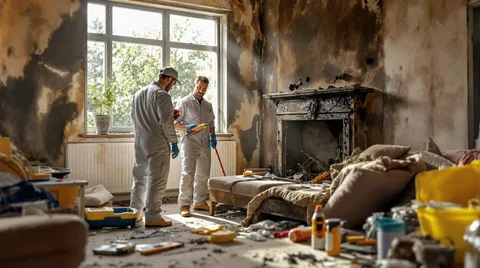
Fire damage often extends beyond visibly burned areas. Smoke residue can settle on ceilings, walls, cabinets, flooring, furniture, and household contents.
Additionally, water used during firefighting may affect drywall, insulation, flooring, and other absorbent materials. For that reason, the restoration plan may need to address both fire and moisture-related conditions.
Homeowners should avoid aggressively wiping soot before understanding the affected surface. Improper cleaning can sometimes spread residue or push it deeper into porous materials.
A careful inspection helps separate items that may be cleaned from materials that require repair or replacement. This step also gives property owners a clearer picture of the actual scope of recovery.
A Detailed Inspection Guides the Restoration Process
Before professional fire and smoke damage restoration begins, the affected property should be evaluated room by room. A structured inspection helps determine where smoke traveled and which materials received direct heat or soot exposure.
Five Areas That Deserve Close Attention
- Check walls and ceilings for soot deposits.
- Review flooring and baseboards for fire or water damage.
- Inspect cabinets, closets, and enclosed areas.
- Evaluate contents that may be cleaned or restored.
- Identify rooms affected by lingering smoke odors.
Professional soot removal services should match the surface being cleaned. Painted walls, finished wood, fabrics, and masonry may respond differently to cleaning methods.
Moreover, documenting damage early can help property owners organize repair decisions. Photos, item inventories, and clear notes can also make the recovery process easier to follow.
The inspection should ultimately answer a practical question: what can be safely cleaned, what needs repair, and what should be replaced?
Smoke and Soot Need Different Cleaning Approaches
Smoke damage is rarely identical throughout a property. Residue near the fire source may differ from lighter deposits found in nearby rooms. Consequently, one cleaning method may not suit every surface.
Match Cleaning Methods to the Material
Five practical considerations include:
- Determine how heavily each surface is affected.
- Avoid spreading loose soot during initial cleaning.
- Separate washable items from sensitive materials.
- Check hidden and enclosed spaces for residue.
- Test cleaning methods when surface damage is uncertain.
Professional smoke damage cleanup focuses on removing contamination without causing unnecessary additional damage.
Soft furnishings, curtains, and other porous items may also hold odor even after visible residue is removed. Meanwhile, hard surfaces may require detailed cleaning around edges, fixtures, and textured areas.
Homeowners should also remember that cosmetic repainting alone may not solve a smoke problem. If residue remains beneath the new finish, odor or staining may continue to cause concerns.
Therefore, cleaning should come before final cosmetic repairs whenever the affected material can reasonably be restored.
Persistent Smoke Odors Require Source-Based Treatment
Air fresheners can temporarily cover odors, but they do not address smoke residue that remains on affected materials. Experienced fire and smoke damage restoration should focus first on removing contamination that contributes to the odor.
Five Steps That Support Better Odor Control
- Remove heavily damaged materials when necessary.
- Clean surfaces that hold smoke residue.
- Check fabrics and other porous belongings.
- Review ventilation areas where smoke may have traveled.
- Treat the remaining odor only after source cleaning.
Professional smoke odor removal works best as part of a larger cleanup process rather than as a standalone masking treatment.
For homeowners seeking professional smoke damage cleanup in Horizon, TX, the area page specifically discusses fire cleanup, soot treatment, and smoke odor removal for affected properties.
Additionally, homeowners should communicate any persistent odor they notice after cleaning. Odor that returns may indicate an overlooked material or hidden area that still needs attention.
Decide What Can Be Restored and What Needs Repair
Not every fire-damaged material requires replacement. At the same time, saving severely damaged materials may create unnecessary work and expense.
Five Factors Help Guide Repair Decisions
- Consider the depth of heat damage.
- Review structural condition before cosmetic work.
- Compare cleaning potential with replacement needs.
- Check water-damaged materials from firefighting efforts.
- Consider the condition of nearby electrical or building components.
Professional fire damage repair may range from limited drywall and finish work to more extensive rebuilding. The appropriate scope depends on the actual damage rather than the appearance of one room.
Likewise, contents require individual evaluation. Some hard-surface belongings may respond well to careful cleaning, while heavily damaged porous materials can be more difficult to restore.
Complete Fire & Water Restoration also provides reconstruction and contents restoration services, which can support projects that move beyond initial cleanup.
Clear decisions at this stage can prevent unnecessary replacement while keeping safety and long-term property conditions at the center of the project.
Plan the Recovery From Cleanup Through Final Repairs
Fire recovery becomes easier to manage when each stage follows a logical order. Trusted fire and smoke damage restoration should address immediate damage before decorative finishes and final repairs begin.
Five Steps for a More Organized Recovery
- Secure and evaluate the affected property.
- Complete necessary post-fire cleanup.
- Address soot and odor sources.
- Repair damaged building materials.
- Complete final finishes after underlying issues are resolved.
This sequence matters because premature painting, flooring installation, or other finish work can interfere with unfinished cleaning.
Additionally, homeowners should keep records of damaged areas, discarded materials, completed cleaning, and repairs. Organized documentation can make it easier to track the project and discuss the loss with an insurance provider.
A restoration project should also include realistic expectations. Some rooms may require only targeted cleaning, while areas close to the fire source may need substantial repair.
Overall, careful sequencing helps the property move from emergency conditions toward normal use without skipping important recovery steps.
Conclusion
A fire can affect a property through heat, soot, smoke, odor, water, and damaged building materials. Therefore, successful recovery requires more than removing visibly burned items.
Homeowners should begin with safety, then evaluate the full affected area. Detailed inspection helps identify hidden smoke residue, damaged finishes, affected contents, and materials that may require replacement.
Expert fire and smoke damage restoration also considers the order of work. Cleanup and odor control should generally take place before final cosmetic repairs. This approach helps prevent unresolved contamination from becoming hidden behind new finishes.
For Horizon property owners, a professional assessment can clarify which rooms and belongings need attention. The process should remain based on actual damage rather than assumptions about what can or cannot be saved.
Property owners in nearby El Paso can follow the same principles. Reliable fire damage repair in El Paso, TX should focus on inspection, appropriate cleanup, careful repair planning, and clear communication throughout recovery. The company identifies El Paso as its local base and lists fire restoration among its core emergency services.
Complete Fire & Water Restoration can support property owners through different stages of fire recovery. Ultimately, thoughtful planning helps create a clearer path from initial damage assessment to a safe, functional property.
FAQ’s
How soon should fire damage cleanup begin?
Cleanup should begin after authorities confirm the property is safe to enter. Early assessment can help limit additional soot and smoke-related damage.
Can smoke affect rooms that were not burned?
Yes. Smoke can travel beyond the fire area and settle on surfaces, contents, and enclosed spaces elsewhere in the property.
Can soot simply be washed off walls?
Not always. Cleaning methods depend on the wall finish, soot type, and level of contamination. Incorrect cleaning may spread residue.
Why can smoke odors remain after cleaning?
Odors may remain when smoke residue is still present in porous materials, contents, hidden spaces, or other affected surfaces.
Does fire restoration include rebuilding damaged areas?
It can. The required work depends on the extent of damage and may include cleaning, material replacement, repairs, or larger reconstruction.