
Emergency Fire Restoration Near Me in El Paso, TX
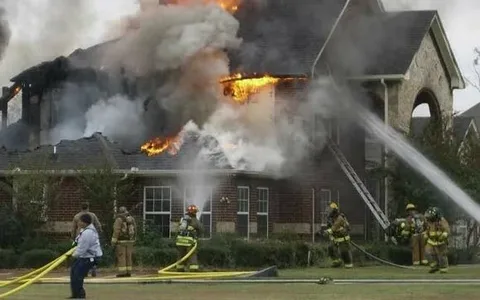
A fire can change the condition of your property within minutes, but the problems often continue long after the flames are gone. Smoke can travel through vents, soot can settle across walls and belongings, and water used during firefighting can soak floors, ceilings, and structural materials. When you need dependable fire restoration near me in El Paso, TX, acting quickly can help limit permanent damage and make the recovery process easier. Complete Fire & Water Restoration provides professional assistance for homeowners and businesses dealing with fire, smoke, soot, odor, and related water damage.
Fire damage is rarely limited to the room where the flames started. Fine soot particles can reach cabinets, furniture, HVAC systems, electronics, and rooms that appear untouched. Smoke odors can also penetrate drywall, insulation, wood, carpeting, and fabrics. Instead of simply wiping visible surfaces, restoration requires identifying how far contamination has spread and choosing cleaning methods that match the materials affected. Our team works carefully to stabilize damaged areas, remove contamination, and prepare the property for repairs.
We proudly provide the Best Fire Restoration Services in El Paso, TX with attention to safety, cleanliness, and complete property recovery. From the first inspection through odor treatment and reconstruction, our goal is to restore a safe and comfortable environment while helping you move forward after an unexpected fire.
Why Immediate Fire Cleanup Matters
The hours immediately following a fire can significantly influence how much of the property can be restored. Soot contains residues that may discolor painted surfaces, damage metal fixtures, stain stone, and affect appliances when left untreated. Smoke residue can also become more difficult to remove as it settles deeper into porous materials.
Once emergency crews confirm that the building can be entered safely, restoration professionals can begin evaluating affected rooms. Clean areas may be separated from contaminated spaces to prevent soot from spreading during cleanup. Specialized air filtration equipment can also be used to capture airborne particles while damaged surfaces are treated.
Professional cleanup is especially important because disturbing soot without proper equipment may push particles deeper into fabrics and building materials. A controlled restoration process helps reduce secondary damage while protecting areas of the property that may still be salvageable.
Identifying Smoke, Soot, and Water Damage
Different fires create different types of residue. Fast-burning materials such as paper and untreated wood may produce lighter dry smoke, while slower fires involving plastics, synthetic materials, or upholstered furniture can leave heavier, sticky residues. Kitchen fires may create protein-based smoke that leaves strong odors even when visible staining is minimal.
Fire damage is also commonly accompanied by water damage. Water from hoses or sprinkler systems can collect beneath flooring, inside wall cavities, and around cabinets. If moisture remains trapped, it may weaken materials and create conditions that encourage microbial growth.
Our restoration process considers both visible fire damage and hidden moisture. Depending on the situation, extraction equipment, commercial drying machines, surface cleaning products, air filtration systems, and odor-control equipment may be used together. We provide Emergency Fire Restoration Near Me to address the different forms of damage a property may experience after a fire.
Professional Smoke Odor Removal
Smoke odor can be one of the most persistent reminders of a fire. Standard household cleaners may improve the smell temporarily, but odors often return because smoke particles remain inside porous building materials.
Professional odor removal focuses on reaching the areas where smoke traveled. Depending on the extent of contamination, technicians may clean walls, ceilings, flooring, furniture, and other affected surfaces before applying specialized deodorization treatments. Thermal fogging and hydroxyl equipment may also be used when appropriate to neutralize odor molecules rather than simply covering them with fragrance.
Air filtration is another important part of the process. Removing fine airborne particles can improve indoor conditions while additional cleaning continues. The goal is to address both the source of the odor and the particles circulating throughout the property.
Repairing Fire-Damaged Structures
Some properties require more than cleaning after a fire. Heat can weaken framing, damage drywall, blister paint, affect flooring, and compromise roofing or other building components. Electrical wiring and fixtures may also require inspection if they were exposed to excessive heat.
Our restoration approach can include removing materials that cannot be safely restored and repairing damaged portions of the building. Drywall, framing, flooring, paint, and other finishes may be replaced as necessary so the property can move toward its pre-loss condition.
Handling cleanup and structural recovery through a coordinated process also reduces the need to manage several different contractors. Each stage can be planned around the condition of the property and the repairs required.
Documentation for Insurance Claims
Fire insurance claims often involve detailed documentation. Property owners may need photographs, damage descriptions, inventories of affected belongings, cleaning records, and estimates for necessary repairs.
Our team documents visible damage and restoration work so homeowners can provide organized information to their insurance representatives. Clear documentation can help explain which materials were cleaned, which required removal, and which structural components needed repair.
Coverage varies between policies, so final approval remains with the insurance provider. However, organized records can make communication between the homeowner, restoration company, and adjuster more efficient throughout the recovery process.
Restoring Personal Property
Furniture, clothing, decorations, electronics, photographs, and personal possessions may also be affected by smoke or soot. Depending on their condition, some items can be carefully removed from the property and cleaned separately.
This process is commonly called a pack-out. Items are documented, transported when necessary, cleaned using methods appropriate for their materials, and stored until the building is ready for their return. Items that cannot be restored can also be documented for insurance purposes.
Careful handling is especially important for sentimental possessions that may be difficult or impossible to replace. Restoration professionals evaluate each item individually instead of automatically assuming everything exposed to smoke must be discarded.
Maintaining Safety During Restoration
Fire-damaged properties may contain unstable building materials, sharp debris, contaminated water, and airborne particles. For that reason, safety procedures remain important throughout the restoration process.
Work areas may be isolated using protective barriers while air filtration equipment helps reduce particle movement. Technicians also inspect damaged areas before beginning demolition or reconstruction. Older properties may require additional evaluation for materials such as lead-based paint or asbestos before disturbed sections are removed.
These precautions help protect occupants, workers, and unaffected areas while restoration work is underway.
Local Fire Recovery in El Paso
El Paso’s dry conditions, heat, and wind can influence how smoke, dust, and debris move through damaged properties. Local experience helps restoration teams understand common building materials and environmental conditions found throughout the area.
Being familiar with local properties also helps coordinate repairs and source suitable materials efficiently. Whether the damage affects a single room or several areas of a building, a local restoration team can provide support from emergency cleanup through final repairs.
Conclusion
Recovering after a fire involves much more than removing burned materials. Smoke, soot, odors, water, and structural damage all need to be addressed carefully. Professional restoration helps identify hidden problems, clean affected areas, protect belongings, and repair damaged portions of the property.
When repairs affect exterior appearance or regulated property features, we can also consider applicable homeowner association requirements during the restoration process. With organized cleanup, careful repairs, and dependable support, your property can move toward a safe and comfortable condition again.
FAQs
How long does smoke odor removal usually take?
The timeline depends on the size of the fire, materials burned, and how deeply smoke entered the property. Minor cases may take several days, while extensive contamination can require additional treatment.
Can I remain inside my home during restoration?
That depends on structural safety, indoor air conditions, and the amount of damage. If heavy soot, smoke particles, or unsafe areas remain, temporary relocation may be recommended until conditions improve.
Should food exposed to smoke be discarded?
Open food and products in permeable packaging are generally safer to discard after exposure to smoke or extreme heat. Sealed items should still be inspected carefully before use.
Can soot permanently damage walls and surfaces?
Yes. Soot can stain paint, metal, glass, stone, and other materials if it remains untreated. Prompt professional cleaning improves the chance of restoring affected surfaces before permanent discoloration develops.
Will homeowners insurance cover fire restoration?
Many homeowners policies include coverage for sudden fire and smoke damage, but coverage limits and exclusions vary. Review your policy and speak with your insurer to confirm what cleanup, repairs, and personal property losses are covered.