
Reliable Storm Damage Restoration Service in El Paso, TX
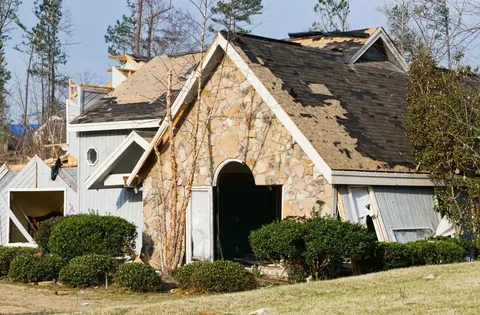
Severe storms can damage a property within minutes. High winds may loosen roofing materials, heavy rain can enter through vulnerable areas, and runoff may reach walls or flooring. When these problems occur, reliable storm damage restoration helps property owners identify damage, control moisture, and begin a structured recovery process.
Complete Fire & Water Restoration assists homeowners and businesses in El Paso and Horizon, TX with storm-related property concerns. Effective restoration involves more than removing visible water. Technicians may need to inspect roofing entry points, ceilings, drywall, insulation, flooring, structural materials, and hidden moisture.
A qualified emergency restoration company can also help reduce additional damage when conditions require a rapid response. Likewise, professional disaster cleanup services may include debris removal and damaged-material cleanup after severe weather.
When rain enters a structure, 24/7 water damage services can support water extraction and drying. More extensive situations may also require property damage restoration to address several affected building materials. Careful inspection helps determine which materials can be dried or cleaned and which require replacement.
Understanding How Storms Damage Properties
Storm damage does not always appear in one obvious location. Water can enter through roofing, windows, exterior openings, or damaged building materials and then travel into hidden spaces.
Recognizing Damage Beyond the Surface
A ceiling stain may indicate water entry from somewhere above rather than a problem directly over the stain. Likewise, damp flooring can result from wind-driven rain, drainage problems, or water moving through wall cavities.
Professional disaster cleanup services should begin by identifying the source and extent of the damage. Visible debris is only part of the concern. Moisture behind drywall, beneath flooring, or inside insulation can remain unnoticed.
Property owners should watch for musty odors, bubbling paint, warped flooring, ceiling discoloration, loose roofing materials, and damp drywall. Electrical components exposed to water also require appropriate professional evaluation.
An experienced emergency restoration company should prioritize immediate hazards before cosmetic repairs begin. This approach helps protect occupants and prevents damaged materials from being covered before they are properly assessed.
Thorough inspection is especially important after strong storms because one event may create several types of damage at the same property.
What a Storm Restoration Process Involves
Professional storm damage restoration follows a logical sequence. The process begins with evaluation and moves toward stabilization, drying, cleanup, and repair based on actual property conditions.
From Initial Assessment to Recovery
A restoration team may evaluate exterior openings, interior moisture, damaged building materials, and areas affected by wind or rain. Complete Fire & Water Restoration can then develop a practical restoration plan based on the findings.
Important steps may include:
- Identifying active water entry and affected areas
- Removing standing water when necessary
- Drying wet structural and finish materials
- Cleaning debris and damaged contents
- Repairing or replacing materials that cannot be restored
Professional property damage restoration may involve drywall, flooring, ceilings, insulation, trim, and other materials. However, the exact scope depends on the severity of the storm.
When significant water enters a building, reliable 24/7 water damage services can help begin extraction and moisture control quickly. Early action matters because trapped moisture may spread beyond the original area.
A careful process addresses the cause and the resulting damage instead of focusing only on visible surfaces.
Managing Water Intrusion After Severe Weather
Water intrusion is one of the most common problems following thunderstorms and wind events. Even a small opening can allow rain to reach insulation, drywall, flooring, or framing.
Why Moisture Control Matters
Dependable storm damage restoration should include moisture detection when water intrusion is suspected. Surface materials may appear dry while moisture remains behind them.
Water extraction is only the first step. Drying equipment, airflow, and moisture monitoring help determine whether affected materials are returning to acceptable conditions.
Reliable 24/7 water damage services in El Paso, TX can be especially useful when water enters during evenings, weekends, or severe weather events. However, safety should come first if flooding affects electrical systems or creates structural concerns.
Five practical priorities include locating the water source, removing standing water, inspecting hidden spaces, drying affected materials, and monitoring progress.
A qualified property damage restoration team may also remove materials that cannot be dried or safely retained. Meanwhile, materials that remain structurally sound may sometimes be cleaned and restored.
Fast action can help limit secondary damage, but proper drying should never be rushed.
Cleaning and Stabilizing Storm-Damaged Areas
Storms may leave broken materials, insulation, mud, branches, damaged belongings, and other debris inside or around a property. Cleanup should follow safety and damage assessment.
Creating a Safer Work Area
Professional disaster cleanup services help organize the recovery process after immediate hazards have been identified. Removing debris can provide better access to wet or damaged building materials.
Common cleanup priorities include:
- Separating salvageable and damaged materials
- Removing unsafe or heavily affected debris
- Cleaning dirt and storm-related residue
- Protecting unaffected rooms when possible
- Preparing damaged areas for drying or repair
A responsive emergency restoration company may also help stabilize vulnerable areas before detailed repairs begin.
Not every damaged item needs immediate disposal. Some materials and belongings may be recoverable depending on contamination, moisture exposure, and physical condition. Therefore, careful evaluation can prevent unnecessary replacement.
Professional cleanup also supports later repair work. Contractors can assess framing, drywall, flooring, and finishes more accurately after loose debris and heavily damaged materials have been removed.
Restoring Structural and Interior Materials
Once the property is dry and stable, attention can shift toward damaged building components. Repair decisions should reflect the actual condition of each material.
Deciding What Can Be Restored
Quality property damage restoration may involve repairing drywall, ceilings, flooring, insulation, trim, and other interior finishes. In more serious situations, exterior components may also need attention.
Reliable storm damage restoration should not begin reconstruction until moisture conditions have been properly addressed. Installing new materials over damp areas can create future problems.
Five important factors guide repair decisions: moisture exposure, physical damage, contamination, structural condition, and the ability to clean or dry the material.
Professional disaster cleanup services in Horizon, TX can prepare damaged areas for reconstruction by removing unsalvageable materials. Meanwhile, targeted drying may allow some building materials to remain.
An experienced restoration provider should explain why specific materials require removal while others can stay. Clear communication helps property owners understand the scope instead of facing unexpected repairs later.
Careful restoration focuses on returning damaged areas to safe, functional condition rather than simply covering visible signs of the storm.
Preparing for Storm Damage in El Paso and Horizon
Property owners cannot prevent every weather event, but preparation can reduce confusion when damage occurs. Knowing what to check after a storm helps support a faster response.
Practical Steps Before and After Severe Weather
Homeowners should keep important contact information available and periodically check roofs, windows, drainage areas, and exterior openings for maintenance concerns.
After a storm, avoid entering areas with serious structural damage or exposed electrical hazards. Then document visible damage when it is safe to do so.
Five useful actions include:
- Check for active leaks and visible exterior damage
- Move belongings away from minor water exposure when safe
- Avoid standing water near electrical equipment
- Photograph visible damage before cleanup
- Contact qualified restoration professionals promptly
Skilled storm damage restoration can then address water, damaged materials, and cleanup in a coordinated sequence.
A dependable 24/7 water damage services response may also help when rainwater continues to affect interior spaces outside normal business hours.
Residents in El Paso and Horizon should treat hidden moisture as seriously as visible water. Early assessment can make the overall restoration process more organized and effective.
Conclusion
Storm damage can affect roofing, ceilings, walls, floors, insulation, personal belongings, and other parts of a property at the same time. For that reason, recovery works best when inspection, water removal, drying, cleanup, and repairs follow a clear order.
Property owners should first address immediate hazards and active water intrusion. After that, moisture detection and material assessment can reveal problems that are not visible from the surface.
For homeowners and businesses needing reliable property damage restoration in El Paso, TX, the restoration plan should reflect actual building conditions rather than assumptions. Likewise, professional water removal and drying can help limit further deterioration after rain enters the structure.
A qualified emergency restoration company can help organize urgent recovery needs, while disaster cleanup services can address debris and damaged materials. When significant water intrusion occurs, dependable 24/7 water damage services can support prompt extraction and drying.
Complete Fire & Water Restoration serves El Paso and Horizon with storm-related recovery services focused on practical assessment and appropriate restoration steps. A careful response helps property owners understand the damage, protect unaffected areas, and move toward repairs with greater clarity.
FAQs
What should I do first after storm damage?
Check for immediate safety hazards, avoid electrical risks, document visible damage when safe, and arrange a professional property assessment.
Can storm water cause hidden damage?
Yes. Water can travel behind walls, under flooring, and into insulation even when surface damage appears minor.
Does every wet material need replacement?
No. Some materials can be dried and cleaned, while others may require removal because of damage, contamination, or loss of structural integrity.
How quickly should water removal begin?
Water removal and moisture control should begin as soon as conditions are safe. Early action can help limit the spread of moisture.
What types of storm damage can restoration address?
Restoration may address water intrusion, damaged drywall, flooring, ceilings, insulation, debris, and other affected building materials.