
Reliable Water Mitigation Services in El Paso, TX
Water can spread through flooring, drywall, insulation, cabinets, and other building materials within a short time. Reliable Water Mitigation focuses on controlling that spread, removing unwanted water, and beginning the drying process before additional damage develops. Fast action matters after plumbing failures, appliance leaks, roof intrusion, or indoor flooding.
Complete Fire & Water Restoration provides emergency restoration services for homes and businesses throughout El Paso and surrounding communities. Effective mitigation may involve professional emergency water extraction, reliable structural drying services, moisture measurements, and careful evaluation of affected materials.
Moreover, thorough water damage cleanup should address moisture that cannot be seen from the surface. Water can travel beneath flooring or enter wall cavities even when standing water appears limited.
Property owners may also need dependable moisture detection or professional flood damage cleanup depending on the source and extent of the loss. This guide explains the practical steps involved in controlling water damage and drying a property safely.
Why Fast Water Mitigation Matters
Water damage often becomes more difficult to manage when moisture remains inside building materials. Therefore, early mitigation focuses on stopping the water source and limiting how far moisture travels.
Controlling Damage Before It Spreads
Rapid emergency water extraction removes standing water so technicians can begin evaluating wet materials. However, extraction alone does not mean the structure is dry.
Water may remain inside drywall, subflooring, insulation, wood framing, or cabinets. Consequently, technicians need to inspect surrounding areas instead of treating only visible puddles.
Five early priorities commonly include:
- Identify and control the source of water.
- Check affected rooms and nearby materials.
- Remove standing water where appropriate.
- Begin controlled air movement and dehumidification.
- Monitor conditions as drying progresses.
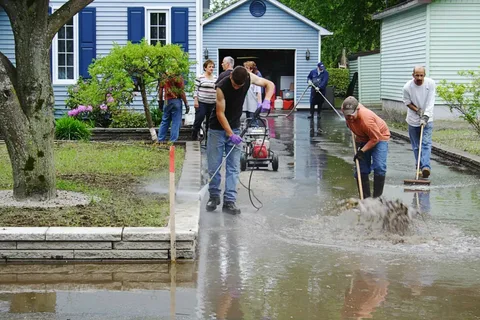
Additionally, reliable flood damage cleanup may require debris removal and sanitation when water enters from an outdoor flooding event.
Property owners should avoid assuming that a surface is dry because it feels dry. Hidden moisture can remain beneath finished materials. Prompt assessment helps determine which materials can stay, which require additional drying, and which may need removal.
How the Water Mitigation Process Works
Every water loss is different. A small plumbing leak may affect one room, while a major supply-line failure can spread through several areas. Therefore, the mitigation plan should reflect the actual conditions inside the property.
From Inspection to Structural Drying
Reliable Water Mitigation Services begins with assessing the water source, affected materials, and moisture spread.
Five important stages may include:
- Inspecting the damaged area and identifying safety concerns.
- Extracting standing or trapped water.
- Measuring moisture in surrounding materials.
- Positioning drying and dehumidification equipment.
- Monitoring moisture levels until drying goals are reached.
Complete Fire & Water Restoration uses moisture mapping and drying equipment as part of its restoration approach. These tools help technicians understand how far water has traveled.
Furthermore, professional structural drying services target moisture that remains after extraction. Air movers and dehumidification equipment can support controlled drying when positioned according to site conditions.
Likewise, accurate moisture detection helps identify areas that require closer attention. Careful monitoring also gives restoration professionals useful information when deciding whether materials are responding properly to drying.
Finding Hidden Moisture After Water Damage
Visible water represents only part of many property losses. Moisture can migrate through joints, gaps, porous materials, and enclosed building cavities.
Why Moisture Testing Is Important
Expert moisture detection helps restoration teams evaluate areas that might otherwise be overlooked. For example, water from a bathroom leak may travel beneath flooring and reach an adjoining room.
Technicians commonly check:
- Drywall and baseboards
- Wood framing
- Subflooring
- Cabinets and vanities
- Insulation and concealed cavities
Moisture meters and thermal imaging can provide useful information during the inspection process. However, equipment readings still require professional interpretation.
Drying decisions also depend on the material involved. Concrete, wood, drywall, carpet, and insulation respond differently after water exposure.
Moreover, drying should continue based on measured conditions rather than guesswork. Removing equipment too early may leave moisture inside materials.
A careful evaluation supports better decisions about what can be dried and what may require removal. As a result, homeowners can avoid relying only on visible appearance when determining whether the affected area has recovered.
Managing Floods, Leaks, and Standing Water
Water can enter a property from several sources. Burst pipes, overflowing fixtures, appliance failures, roof leaks, and stormwater can create different cleanup requirements.
Matching the Response to the Water Source
Professional Water Mitigation should account for the origin of the water and the materials it contacted. Clean water from a supply line requires a different approach from outdoor floodwater that may contain contaminants.
Five practical considerations include:
- Stop the source when it can be done safely.
- Avoid electrical hazards around standing water.
- Identify which materials became wet.
- Remove water before beginning detailed drying.
- Evaluate sanitation needs based on the water source.
For local property losses, emergency water extraction in El Paso, TX can help address standing water and begin the stabilization process.
Meanwhile, thorough flood damage cleanup should consider sediment, debris, contamination, and moisture trapped within building materials.
Owners should also document visible damage before moving items when conditions allow. Photos and clear records can help maintain an organized account of the loss while restoration work moves forward.
Protecting Building Materials and Personal Property
Water damage can affect more than floors and walls. Furniture, stored belongings, cabinets, documents, and other contents may also require attention.
Deciding What Can Be Dried or Restored
Restoration professionals evaluate materials based on exposure, condition, contamination, and the possibility of successful drying.
Five areas often require review:
- Flooring and subfloor materials
- Drywall and insulation
- Cabinets and built-in components
- Furniture and household belongings
- Stored commercial or personal contents
Professional water damage cleanup should separate salvageable materials from items that cannot be safely restored.
Furthermore, drying equipment needs enough airflow to reach affected surfaces. Furniture or stored belongings may sometimes interfere with that airflow, so contents may need repositioning or temporary removal.
Dependable structural drying services can help protect suitable building materials by reducing retained moisture in a controlled manner.
Complete Fire & Water Restoration also provides restoration as part of its broader restoration services. Therefore, property owners facing larger losses can consider both structural drying and affected belongings when planning recovery.
Water Mitigation in El Paso and Horizon, TX
Local water emergencies may result from plumbing failures, appliance leaks, roof intrusion, or seasonal weather. Each property still requires an individual inspection because water follows different paths through every building.
Preparing for a Local Emergency Response
Dependable Water Mitigation should focus first on stabilizing the affected property. Property owners can also take several practical steps while avoiding unsafe conditions.
Five helpful actions include:
- Stop the water source when safely possible.
- Keep people away from electrical hazards.
- Avoid entering areas with structural concerns.
- Record visible damage when conditions are safe.
- Contact qualified restoration professionals promptly.
For nearby properties, expert structural drying services in Horizon, TX can support recovery after water enters walls, floors, or other absorbent materials.
Additionally, reliable water damage cleanup should include continued monitoring rather than a single visual inspection.
Complete Fire & Water Restoration serves El Paso and Horizon with emergency restoration solutions that include water removal and drying. A structured response can help property owners understand the extent of damage and determine the next appropriate restoration steps.
Conclusion
Water mitigation works best when property owners respond early and restoration professionals follow a structured process. Removing standing water is only the beginning. Moisture may remain inside building materials long after visible water disappears.
Trusted Water Mitigation should combine inspection, extraction, drying, moisture monitoring, and continued evaluation. This approach helps determine how affected materials respond and where additional attention may be necessary.
Likewise, professional moisture detection can reveal moisture beyond the obvious damaged area. Dependable flood damage cleanup may also become necessary when outdoor water, debris, or contaminants enter the building.
Property owners should avoid covering wet materials or beginning cosmetic repairs before confirming that the structure has dried appropriately. Doing so can hide unresolved moisture conditions.
Overall, effective mitigation relies on fast action, suitable equipment, careful monitoring, and informed decisions about damaged materials. When each stage receives proper attention, homeowners and businesses can move from emergency stabilization toward repair and full property recovery with a clearer understanding of the work required.
FAQ’s
What is water mitigation?
Water mitigation focuses on stopping further water damage through extraction, drying, moisture control, and protection of affected building materials.
How quickly should water removal begin?
Water removal should begin as soon as conditions are safe because moisture can continue spreading through porous materials.
Is water extraction the same as structural drying?
No. Extraction removes standing water, while structural drying addresses moisture retained inside building materials.
How can technicians find hidden moisture?
Professionals may use moisture meters, thermal imaging, visual inspections, and moisture mapping to evaluate affected areas.
Can all water-damaged materials be saved?
No. Restoration depends on the material, level of damage, contamination, exposure time, and whether the item can be dried and cleaned safely.