
Reliable Water Damage Restoration Services in El Paso, TX
Water can spread through flooring, drywall, insulation, cabinets, and other building materials within a short period. Property owners facing leaks, burst pipes, appliance failures, or indoor flooding need reliable Water Damage Restoration Services that focus on controlling moisture before it causes additional damage. In El Paso, TX, quick action also helps limit disruption and makes the recovery process easier to manage.
Complete Fire & Water Restoration provides restoration support for homes and businesses dealing with unexpected water loss. A proper restoration plan should do more than remove visible standing water. It should identify hidden moisture, dry affected materials, clean impacted areas, and determine which damaged components can be saved.
Effective professional structural drying also requires careful moisture monitoring rather than guesswork. Likewise, prompt action can reduce the amount of material that needs removal.
This guide explains how water restoration works, what property owners should expect, and why extraction, drying, mitigation, and follow-up inspections all matter for properties in El Paso and Horizon.
Why Fast Action Matters After Water Damage
Water rarely stays where it first appears. It can migrate beneath flooring, soak drywall, enter wall cavities, and reach nearby rooms. Therefore, controlling the source and assessing the affected area should happen as early as safely possible.
The First Hours Can Shape the Recovery
Expert emergency water cleanup begins with identifying where the water came from and stopping additional intrusion when possible. Afterward, technicians can determine how far moisture has traveled.
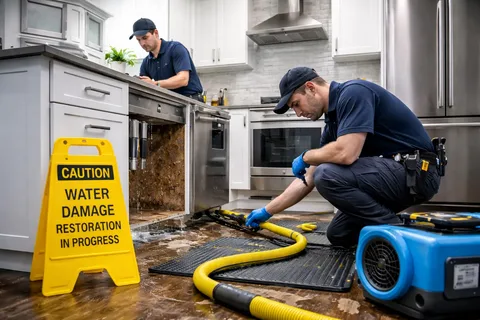
Professional water extraction services remove standing water before detailed drying begins. However, extraction alone does not mean the structure is dry.
Five early priorities usually include:
- Identify and stop the water source.
- Check for electrical or structural hazards.
- Remove accessible standing water.
- Inspect nearby materials for hidden moisture.
- Begin appropriate drying and humidity control.
Reliable structural drying focuses on moisture that remains inside porous building materials. Consequently, floors and walls that appear dry on the surface may still require monitoring.
Fast action does not mean rushing the inspection. Instead, an organized response helps determine what can remain, what needs treatment, and what may require removal.
Planning Expert Water Damage Restoration Services
Every water loss is different. The source, amount of water, affected materials, and length of exposure all influence the restoration plan.
Build the Plan Around Actual Moisture Conditions
Choosing expert Water Damage Restoration Services should involve a clear assessment before unnecessary demolition begins.
A restoration team may consider:
- The source and category of the water
- How far moisture has spread
- Which materials can be dried
- Whether contamination is present
- What repairs may follow mitigation
Reliable water mitigation services focus on reducing additional property loss after the initial incident. Meanwhile, professional flood damage restoration may require broader cleaning and removal when water affects multiple rooms or carries contaminants.
Similarly, trusted emergency water cleanup should address both visible water and moisture that has migrated into surrounding materials.
Property owners should also document affected rooms and belongings when it is safe to do so. Good documentation can make later repair planning clearer.
The goal is not simply to dry the most obvious wet area. A complete plan follows the moisture pathway throughout the affected portion of the property.
Extraction and Drying Work Together
Water removal and drying are related, but they are not the same step. Extraction removes liquid water, while drying addresses moisture absorbed into materials and the surrounding air.
Moisture Can Remain After Standing Water Is Gone
Reliable water extraction services can quickly reduce the amount of water inside a property. After extraction, air movement and dehumidification help moisture leave wet materials.
Five areas often require attention:
- Carpet and padding
- Drywall and baseboards
- Wood flooring and subfloors
- Cabinets and built-in materials
- Wall or ceiling cavities
Expert structural drying should be guided by moisture readings. Technicians can compare affected areas with normal dry materials and adjust equipment as conditions change.
Moreover, some materials respond better to drying than others. Clean water affecting a sound material may allow more restoration options than prolonged or contaminated exposure.
Emergency water cleanup in El Paso, TX should therefore include an evaluation of material condition instead of relying only on appearance.
A carefully managed drying process can reduce unnecessary removal while helping identify materials that cannot be safely or practically restored.
Restoring the Property Beyond Initial Water Removal
Removing water solves only one part of the problem. A property may still need cleaning, material removal, odor control, or reconstruction after moisture levels return to acceptable conditions.
Cleanup Should Follow the Damage, Not a Fixed Formula
Effective professional Water Damage Restoration Services should adapt to what the inspection reveals.
Common recovery steps can include:
- Removing unsalvageable materials
- Cleaning exposed surfaces
- Continuing humidity control
- Preparing damaged areas for repairs
- Rechecking moisture before reconstruction
Trusted flood damage restoration may require more extensive sanitation than a small clean-water leak. Likewise, expert water extraction services should happen before restoration crews close walls or install replacement materials.
Complete Fire & Water Restoration also provides reconstruction services, which can be relevant when water has damaged drywall, ceilings, flooring, or other finished components.
However, reconstruction should not begin while hidden moisture remains. Closing damp materials inside an assembly can create future problems.
Therefore, drying verification is an important transition between emergency restoration and repair work. Property owners should understand which materials were dried, removed, cleaned, or scheduled for replacement.
Preventing Secondary Damage During Drying
The drying period requires continued attention. Equipment placement, room conditions, and moisture readings can change as materials release water.
Monitoring Helps Confirm Real Progress
Professional water mitigation services should continue until affected materials reach appropriate moisture conditions or are removed when drying is not practical.
Five useful practices include:
- Keep drying equipment operating as directed.
- Avoid moving equipment without professional guidance.
- Maintain access to affected rooms.
- Report new leaks or unusual odors quickly.
- Confirm moisture levels before repairs begin.
Additionally, dependable structural drying benefits from repeat measurements. A room may feel comfortable while hidden materials remain damp.
Property owners should also avoid painting, installing flooring, or closing wall cavities prematurely. Instead, repair work should follow verified drying.
For smaller water losses, reliable flood damage restoration may not be necessary at all. A professional assessment can distinguish a localized plumbing incident from a larger flooding event.
The most practical restoration plan addresses the actual conditions without adding unnecessary steps.
Water Restoration Planning in El Paso and Horizon
Local service planning matters because response time and familiarity with the service area can affect emergency coordination. Property owners should also know which company handles cleanup, drying, documentation, and later repairs.
Use Location-Specific Restoration Support
Before arranging trusted Water Damage Restoration Services, property owners should ask several practical questions:
- How quickly can the affected property be evaluated?
- What equipment will be used for drying?
- How will hidden moisture be checked?
- Which materials may require removal?
- What happens after mitigation is complete?
For local properties, professional emergency water cleanup in El Paso, TX can address plumbing failures, indoor flooding, appliance leaks, and other sudden water problems.
Nearby property owners may also need reliable flood damage restoration in Horizon, TX after water intrusion affects floors, walls, or other building materials.
Expert water mitigation services should focus on stabilizing the property first. Afterward, restoration and repair decisions can be made from documented moisture conditions.
A clear process makes it easier to understand what happened, what has already been corrected, and which repairs still remain.
Conclusion
Water damage recovery works best when each step supports the next. Removing visible water is important, but complete restoration also requires moisture detection, drying, cleaning, documentation, and repair planning.
Property owners should act quickly while still making decisions based on the actual condition of the building. Reliable Water Damage Restoration Services can help identify how far moisture has traveled and which materials may still be recoverable.
Professional water mitigation services can reduce ongoing damage by controlling water and moisture early. Meanwhile, dependable structural drying helps address absorbed moisture that extraction cannot remove by itself.
A larger incident may also require professional flood recovery, sanitation, or reconstruction. Therefore, homeowners and business owners should avoid assuming every water loss needs the same treatment.
Complete Fire & Water Restoration serves El Paso, Horizon, and nearby communities with water-related restoration services. A careful inspection, measured drying process, and properly timed repairs can help return an affected property to safe, usable condition while avoiding unnecessary demolition.
FAQ’s
How quickly should water damage restoration begin?
As soon as the area can be approached safely. Early extraction and drying can limit moisture migration and reduce additional material damage.
What do Water Damage Restoration Services include?
They may include assessment, water removal, drying, cleaning, moisture monitoring, damaged-material removal, and coordination of necessary repairs.
Is removing standing water enough to dry a property?
No. Building materials can retain moisture after visible water disappears. Drying equipment and moisture monitoring may still be necessary.
How long does structural drying take?
The time varies based on material type, water volume, humidity, airflow, and how long materials remain wet.
Can water-damaged walls and floors always be saved?
No. Some materials can be dried successfully, while others may require removal because of contamination, deterioration, or prolonged exposure.